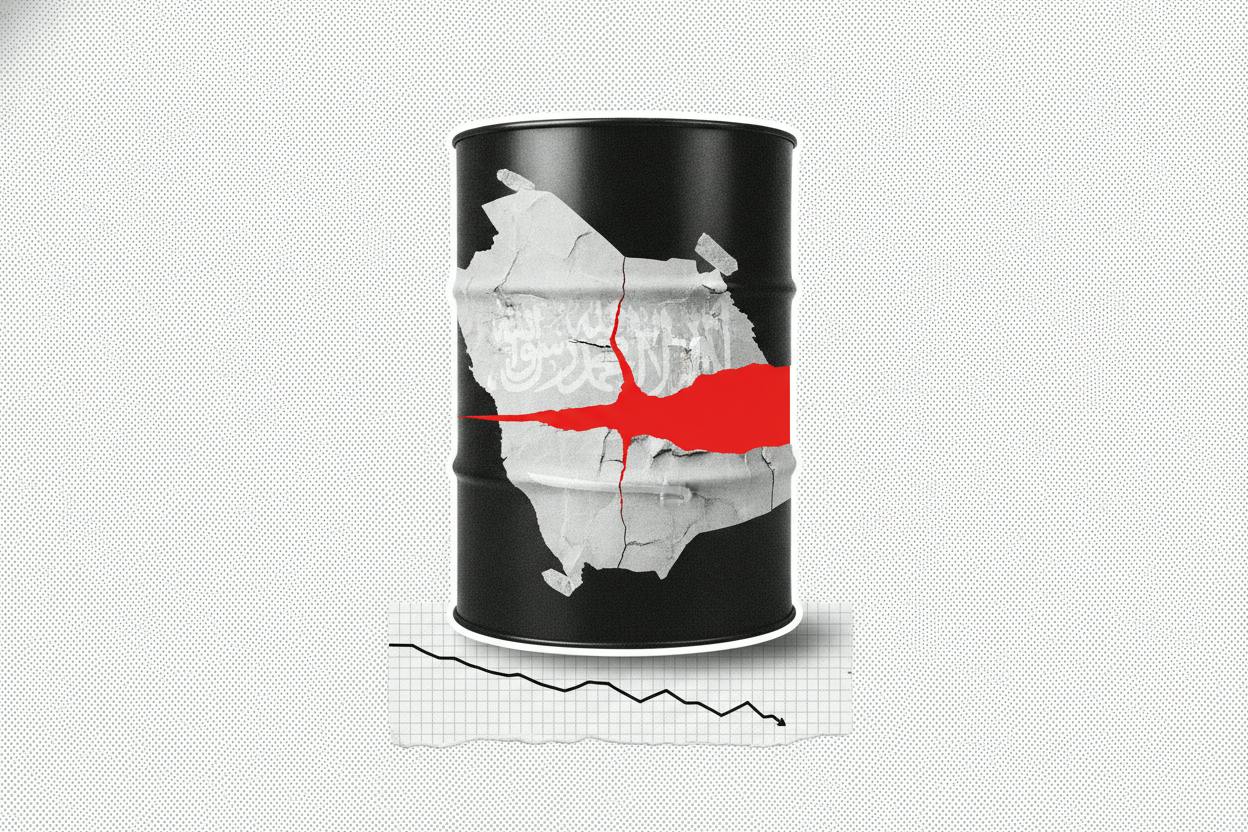
Oil prices finished higher on Tuesday after Reuters reported that Iran-aligned Houthi rebels pledged to continue targeting Saudi airports and oil facilities, injecting fresh supply-risk premium into a market that had been focused on softer demand signals. Front-month West Texas Intermediate (WTI) crude rose 1.1% to settle at $95.14 a barrel, while Brent, the international benchmark, added 0.4% to $106.07.
The gains came despite a bearish revision from the International Energy Agency (IEA), which trimmed its oil-demand outlook for the year. The two forces — geopolitical risk on the supply side and cooling consumption on the demand side — are pulling oil in opposite directions, and traders spent the session trying to decide which matters more right now.
Why the Houthi threat matters for oil
The Houthis, a rebel group based in Yemen, have for years been in conflict with a Saudi-led coalition. Their ability to strike deep into Saudi territory — including at oil infrastructure — was demonstrated most dramatically in 2019, when a drone and missile attack knocked out roughly half of Saudi Arabia's crude production for several days. That episode briefly sent global oil prices soaring by the largest one-day percentage in decades.
Tuesday's threat did not involve any actual disruption, and there were no reports of damage to facilities. But the mere mention of potential attacks on Saudi oil assets is enough to remind traders that a significant share of the world's spare production capacity sits in a region where supply lines can be interrupted with little warning. That risk premium — the extra amount buyers are willing to pay for the possibility of a supply shock — tends to rise quickly when tensions flare.
Saudi Arabia is one of the world's largest oil exporters and the de facto leader of OPEC, the cartel that coordinates production among major producers. Its facilities are considered critical infrastructure for global energy markets, so any credible threat to them is felt well beyond the Middle East.
The IEA's demand cut: a counterweight
On the other side of the ledger, the IEA — a Paris-based organization that advises industrialized nations on energy policy — lowered its forecast for oil demand this year. The agency cited concerns about slower economic growth and the possibility that high prices are starting to eat into consumption.
When demand forecasts fall, it usually signals that the world will need less crude than previously thought, which can weigh on prices. But the IEA's revision was not enough to overwhelm the geopolitical bid. That suggests investors are currently more worried about a sudden loss of supply than about a gradual softening of demand.
It's worth noting that the IEA and OPEC often publish differing views on the oil market. OPEC tends to be more bullish on demand, while the IEA has taken a more cautious stance in recent years. When the two diverge, traders often treat the IEA's numbers as a more conservative baseline.
Energy stocks and oilfield services diverge
The late-session rise in crude gave a lift to broad energy stocks, which tend to move in tandem with oil prices. Integrated majors — companies that both produce and refine oil — often see their shares rise when crude climbs, because higher prices can boost profits on every barrel they sell.
But oilfield-services companies went the other way. The Philadelphia Oil Service Sector Index fell 1.7%, even as crude rose. That may seem counterintuitive, but oilfield-services firms — which provide drilling rigs, equipment and technical expertise to producers — depend heavily on capital spending by oil companies. If demand forecasts are being cut and producers grow cautious about future prices, they may slow down new drilling projects, which hurts service providers more directly than it hurts the producers themselves.
In other words, a one-day pop in crude prices doesn't necessarily translate into more work for the companies that help extract it. Investors in that corner of the market are looking further ahead, and the IEA's demand cut gave them reason to be cautious.
What it means for investors
For everyday investors, the tug-of-war between supply risk and demand weakness is a reminder that energy is one of the most event-driven sectors in the market. A single headline about Middle East tensions can move prices sharply, but those moves can reverse just as quickly if the threat doesn't materialize.
Oil's rise also has broader implications. Higher crude prices feed into gasoline costs, which can push up headline inflation and influence how central banks think about interest rates. If energy prices stay elevated, consumers may feel the pinch at the pump, and that could weigh on retail spending and broader economic growth. Investors watching inflation data will want to keep an eye on energy as a key input.
At the same time, the IEA's demand cut is a signal that the global economy may be losing some momentum. If demand continues to soften, it could eventually cap oil prices — even with geopolitical tensions simmering. That's the tension investors are navigating: a market that looks tight on supply but potentially looser on demand.
For those with exposure to energy stocks, the divergence between producers and service companies is worth noting. Producers benefit directly from higher crude prices, while service companies need sustained drilling activity to thrive. If demand worries persist, the service side could remain under pressure even if oil prices stay firm.
As always, the situation is fluid. Traders will be watching for any actual supply disruptions in the Middle East, further revisions from the IEA or OPEC, and signs that high prices are changing consumer behavior. For now, the market is pricing in a bit of both — a risk premium for what could go wrong, and a discount for what might not.