Oil prices took a sharp hit on Tuesday, with West Texas Intermediate (WTI) crude falling 3.3% to settle at $82.18 a barrel. The decline dragged energy stocks down with it, as investors reacted to the latest move in the commodity market.
The drop comes after a period of relative strength in oil prices, which had been supported by supply concerns and geopolitical tensions. But Tuesday's slide suggests that traders are now focusing on demand worries and potential oversupply, especially as major producers continue to ramp up output.
Equinor's output plans add to supply picture
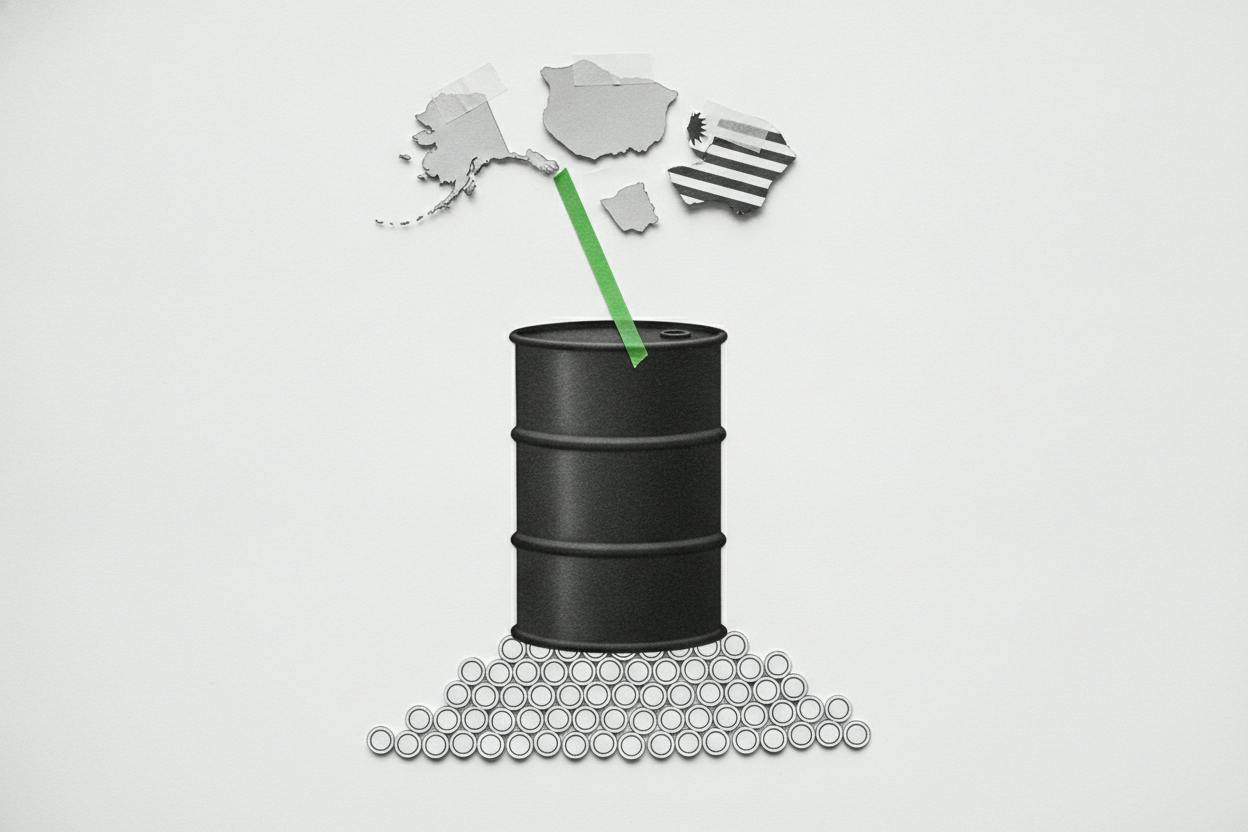
Adding to the supply narrative, Norwegian energy giant Equinor outlined plans to increase its production outside Norway to 950,000 barrels of oil equivalent per day by 2030. That target represents a significant expansion of the company's international portfolio, which currently includes operations in the US Gulf of Mexico, Brazil, and other regions.
Equinor's announcement comes at a time when the oil market is already well-supplied, and any additional barrels could put further downward pressure on prices. The company is betting on long-term demand growth, but for now, the market seems more concerned about the immediate balance between supply and demand.
The news also highlights a broader trend: many oil majors are focusing on growth outside their traditional home bases, seeking lower-cost reserves and more favorable fiscal terms. For Equinor, that means reducing its reliance on the Norwegian continental shelf, where production has been mature for years.
What the oil slide means for energy stocks
For everyday investors, the connection between oil prices and energy stocks is straightforward: when crude falls, the revenues and profits of oil and gas companies tend to shrink, and their share prices often follow. Tuesday was a clear example, as the energy sector was among the worst performers in the market.
But not all energy stocks react the same way. Integrated majors like ExxonMobil and Chevron have diversified businesses, including refining and chemicals, which can offset some of the pain from lower crude prices. Pure-play exploration and production companies, on the other hand, are more sensitive to every dollar move in oil.
Investors should also keep an eye on the broader market context. Oil price declines can be a double-edged sword: they hurt energy stocks but can benefit consumers and other sectors by lowering input costs. For example, airlines and shipping companies often see their margins improve when fuel prices drop.
What to watch next
The oil market is notoriously volatile, and a single day's move doesn't necessarily signal a trend. Traders will be watching inventory data, OPEC+ decisions, and any signs of demand weakness, especially from China, the world's largest oil importer.
Equinor's output target is a long-term plan, not an immediate threat to prices, but it does underscore the industry's continued investment in new supply. If other producers follow suit, the market could face a glut in the coming years.
For now, the key takeaway for investors is to understand the relationship between oil prices and energy stocks, and to recognize that this sector is highly cyclical. As oil pulls back from recent highs, some investors may see buying opportunities, but it's important to do your own research and consider your risk tolerance.
Energy stocks have been a bright spot in recent months, but Tuesday's slide is a reminder that they can fall just as quickly as they rise. Whether this is a short-term blip or the start of a larger correction remains to be seen.
In the meantime, keep an eye on how oil rebounds and how companies like Shell respond to the changing price environment. The energy market is always in flux, and staying informed is the best way to navigate it.