Oil prices edged lower on Friday, pausing after a sharp jump the previous day, as traders weighed fresh supply signals against ongoing geopolitical tensions. Brent crude slipped to $105.51 a barrel, while West Texas Intermediate (WTI) fell to $97.43, according to Reuters.
The pullback came even as new attacks in the Red Sea kept shipping risks in focus. But two other factors helped cool the market: the International Energy Agency (IEA) said it would release more than 20 million barrels of diesel from emergency reserves, and the Trump administration signaled it might ease restrictions on some vessels in the so-called “shadow fleet” of tankers.
Why a diesel release matters
The IEA’s move targets the part of the oil market that has been tightest lately: refined products like diesel, rather than crude itself. Diesel is used heavily in trucking, farming, and industry, so its price has a direct impact on the cost of goods and services. When diesel supplies are scarce, prices at the pump and in the broader economy tend to rise.
By releasing more than 20 million barrels of diesel, the IEA is adding near-term supply to a market that has been strained by refinery outages and strong demand. Analysts at Haitong Futures, however, argued that the release may not do much if conflict in and around Yemen continues to disrupt shipping routes. The Red Sea is a key corridor for oil and fuel shipments, and any threat to that route can quickly push prices higher.
This isn’t the first time the IEA has tapped emergency reserves. The agency, which coordinates energy policy among advanced economies, has used such releases in the past to calm markets during supply disruptions. But the impact is often temporary, especially if the underlying geopolitical risk remains.
Shadow fleet and sanctions
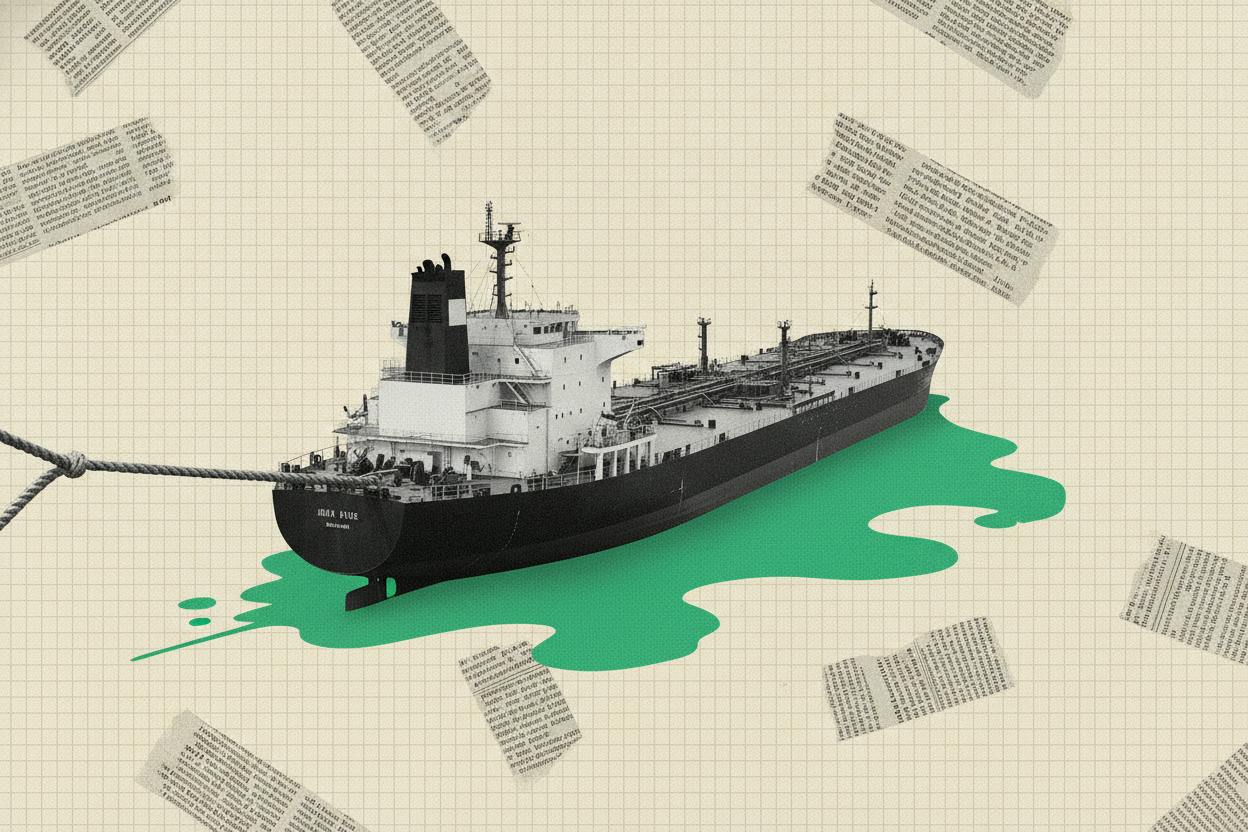
The other factor weighing on prices is the possibility that the US could ease restrictions on some shadow fleet tankers. The shadow fleet refers to older, often poorly documented ships that are used to transport oil and fuel from countries under sanctions, such as Russia and Iran. These vessels operate outside normal insurance and regulatory frameworks, making them harder to track and riskier to insure.
If the US eases restrictions on some of these ships, more oil could reach the market, which would help lower prices. But the move is not without controversy. Critics argue that easing restrictions could undermine sanctions enforcement and allow more revenue to flow to sanctioned governments. Supporters say it could help ease supply pressures and bring down fuel costs for consumers.
The decision is still under consideration, and traders are watching closely for any official announcement. In the meantime, the market remains sensitive to headlines from the Middle East, especially any escalation in the Red Sea.
What it means for investors
For everyday investors, the oil price is more than just a number on a screen. It affects the cost of gasoline, heating oil, and jet fuel, which in turn influences inflation and consumer spending. When oil prices rise, energy stocks often benefit, but airlines, shipping companies, and other fuel-intensive businesses can see their margins squeezed.
Friday’s pullback is a reminder that oil markets are being pulled in two directions: geopolitical risk pushing prices up, and supply measures pushing them down. The IEA’s diesel release is a direct attempt to address the tightness in refined products, which has been a major driver of recent price increases. As we noted in our earlier coverage of diesel prices showing up everywhere, the cost of diesel has been a key factor in inflation readings.
For investors, the key takeaway is that oil prices are likely to remain volatile as long as the conflict in the Red Sea continues and as long as the market grapples with the balance between supply releases and sanctions policy. Energy stocks may continue to see swings, and broader markets could react to any sharp moves in crude.
It’s also worth noting that the IEA’s release is focused on diesel, not crude. That means the impact on crude prices may be limited, but the effect on diesel prices—and by extension on consumer costs—could be more noticeable. If you’re watching your own fuel bills, this is a development to keep an eye on.
As always, it’s important to remember that oil prices are influenced by a complex mix of supply, demand, geopolitics, and policy. No single factor tells the whole story. For now, traders are likely to stay focused on the next headlines from the Middle East and any official word from Washington on the shadow fleet.