Oil prices edged lower on Tuesday, with Brent crude slipping 0.9% to $87.30 a barrel, as traders focused on the physical movement of crude rather than escalating headlines from the US-Iran conflict. The key driver: tankers are finding alternative routes to keep oil flowing out of the Gulf, reducing the immediate risk of a supply crunch.
What's happening with oil flows
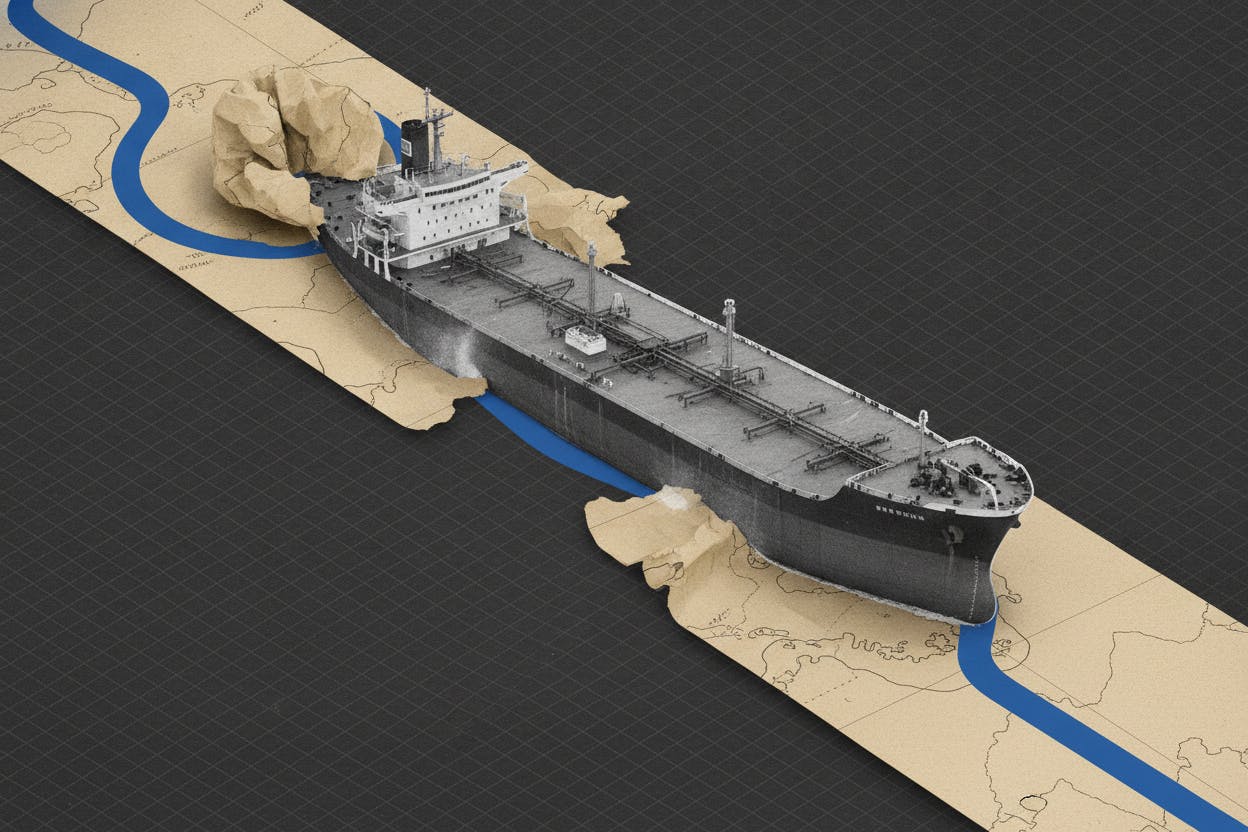
The Strait of Hormuz, a narrow waterway between the Persian Gulf and the Gulf of Oman, has historically handled about a fifth of the world's oil and gas shipments. Since the US-Iran war widened in February, the strait has been largely blocked, raising fears of a major supply disruption. However, early shipping data shows that tankers are adapting by rerouting through the Bab el-Mandeb strait into the Red Sea. On Tuesday, 39 commodity ships passed through Bab el-Mandeb, the highest count since July 19, while only a handful transited Hormuz.
This shift matters because it suggests that, for now, crude is still reaching global markets—just via a longer and potentially costlier path. The Red Sea route adds transit time and fuel costs, but it avoids a complete shutdown that could have sent prices soaring. The market's muted reaction indicates that traders are pricing in this workaround, at least for the time being.
Broader market context
The oil price dip comes amid a broader easing in commodity markets. Copper prices have also slipped recently, weighed down by shifting Federal Reserve rate expectations and doubts about AI-driven demand. Similarly, US natural gas prices are lingering near three-month lows as record output swamps demand. The cooling in oil prices is part of a wider trend where supply-side adjustments are tempering earlier fears of shortages.
Investors are also watching the Federal Reserve's next move. Treasury yields have eased as oil retreats, with markets pricing in a potential rate decision later this week. Lower oil prices can help ease inflation pressures, which could influence the Fed's stance on interest rates.
What it means for investors
For everyday investors, the key takeaway is that oil markets are showing resilience in the face of geopolitical turmoil. The ability of tankers to reroute through the Red Sea has prevented a spike in prices, at least for now. However, the situation remains fluid. If the Bab el-Mandeb route also becomes disrupted—due to Houthi attacks or other regional instability—the supply picture could change quickly.
Investors should also consider the broader implications for energy stocks and funds. Companies with exposure to oil production in the Gulf region may face higher shipping costs, but those with diversified supply chains could benefit from the current price stability. Meanwhile, sectors like airlines and transportation, which are sensitive to fuel costs, may see some relief from the dip in crude prices.
It's also worth noting that the shift in shipping routes could have longer-term effects on global energy infrastructure. The Strait of Hormuz has long been considered a chokepoint for oil flows, and any permanent rerouting could alter trade patterns and investment in alternative pipelines or ports. For now, though, the market is taking a wait-and-see approach.
Looking ahead
Traders will be closely watching shipping data in the coming days to see if the Red Sea route can sustain the increased traffic. Any signs of congestion or disruption could reignite supply fears and push prices higher. Additionally, the US-Iran conflict shows no signs of de-escalation, meaning the risk of further disruptions remains elevated.
For now, the oil market is sending a clear signal: as long as tankers keep moving, prices are likely to stay in check. But investors should remain alert to any changes in the shipping landscape that could upend the current equilibrium.