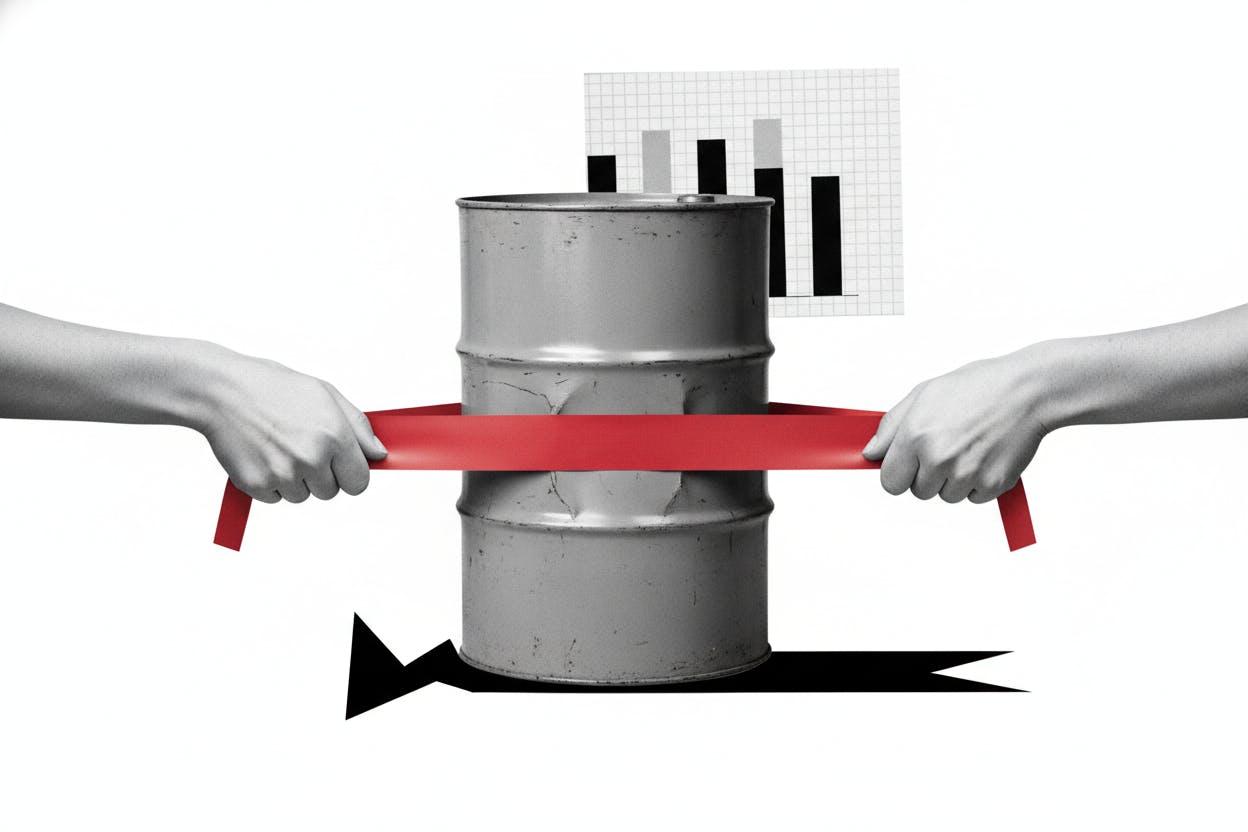
Oil prices slipped from a one-month high on Tuesday as reports of diplomatic talks between the United States and Iran cooled fears of an immediate supply disruption. The pullback rippled through global markets, helping Asian stocks edge higher and easing some of the inflation anxiety that has weighed on investor sentiment in recent weeks.
Diplomacy vs. Disruption Risk
Crude benchmarks eased as traders weighed news that Washington and Tehran were engaged in mediation efforts, even as fresh attacks and threats from Yemen's Houthi rebels continued to target shipping near Saudi Arabia. The Houthis have previously warned they could block Saudi oil shipments through key chokepoints, a threat that has kept markets on edge. For context, the Houthi group has been involved in the Yemen conflict and has periodically targeted Saudi infrastructure, including oil facilities, as part of a broader regional proxy struggle.
The combination of diplomacy on one side and ongoing disruption risk on the other has left oil prices highly sensitive to headlines. The pullback from the one-month high was enough to calm broader risk appetite, but traders remain wary that any breakdown in talks could send prices surging again. As we've seen in recent weeks, oil's volatility has a direct impact on equity markets, particularly in Asia where many countries are net importers of crude.
Asian Stocks Tick Higher
Asian markets edged up as the oil retreat provided some relief. Lower energy costs are a positive for economies that rely heavily on imported oil, such as Japan, South Korea, and India. The move also helped stabilize currency markets, with the dollar holding near a weekly high as oil volatility and rate fears continued to drive currency flows, as noted in our earlier coverage.
Indian stocks, which have been under pressure from elevated oil prices near $90 a barrel, saw some respite. The Houthi threat to block Saudi shipments had previously rattled markets, pushing oil to $82.94 and raising concerns about inflation and corporate margins. With oil now easing, the pressure on import-dependent sectors like airlines and chemicals has lessened, though the situation remains fluid.
South Africa's Rand Steady Ahead of SARB Decision
In other markets, South Africa's rand held steady as investors looked ahead to the South African Reserve Bank's (SARB) interest rate decision. The central bank is widely expected to hold rates steady as it balances sticky inflation with a struggling economy. The rand's stability reflects cautious optimism that the SARB will maintain its current stance, but any surprise move could trigger volatility.
The SARB's decision is particularly important for emerging market investors, as South Africa's high interest rates have made the rand a popular carry trade target. A hawkish tone could strengthen the rand further, while a dovish tilt might weaken it. For now, the currency is trading in a narrow range, waiting for the central bank's guidance.
What It Means for Investors
For everyday investors, the key takeaway is that oil remains a wildcard for portfolios. When crude prices rise, they feed into inflation expectations, which can prompt central banks to keep interest rates higher for longer. That dynamic has been a major theme this year, as oil's rally from below $70 to near $90 has complicated the inflation outlook.
The current pullback is a reminder that geopolitical events can move markets quickly, but the underlying supply-demand picture is still tight. OPEC+ production cuts and ongoing conflicts in the Middle East mean that any escalation could reverse the recent decline. Investors should watch for further developments in US-Iran talks and any new threats to shipping lanes.
For those with exposure to energy stocks, the volatility can create opportunities, but it also adds risk. Diversification across sectors and regions remains a prudent strategy, especially when a single commodity can sway global markets. As always, it's important to focus on long-term goals rather than reacting to every headline.
Looking ahead, markets will be watching for the next round of economic data, including inflation readings from major economies, to gauge whether the oil-driven price pressures are easing. Until then, the tug-of-war between diplomacy and disruption will likely keep oil—and the broader market—on a short leash.



