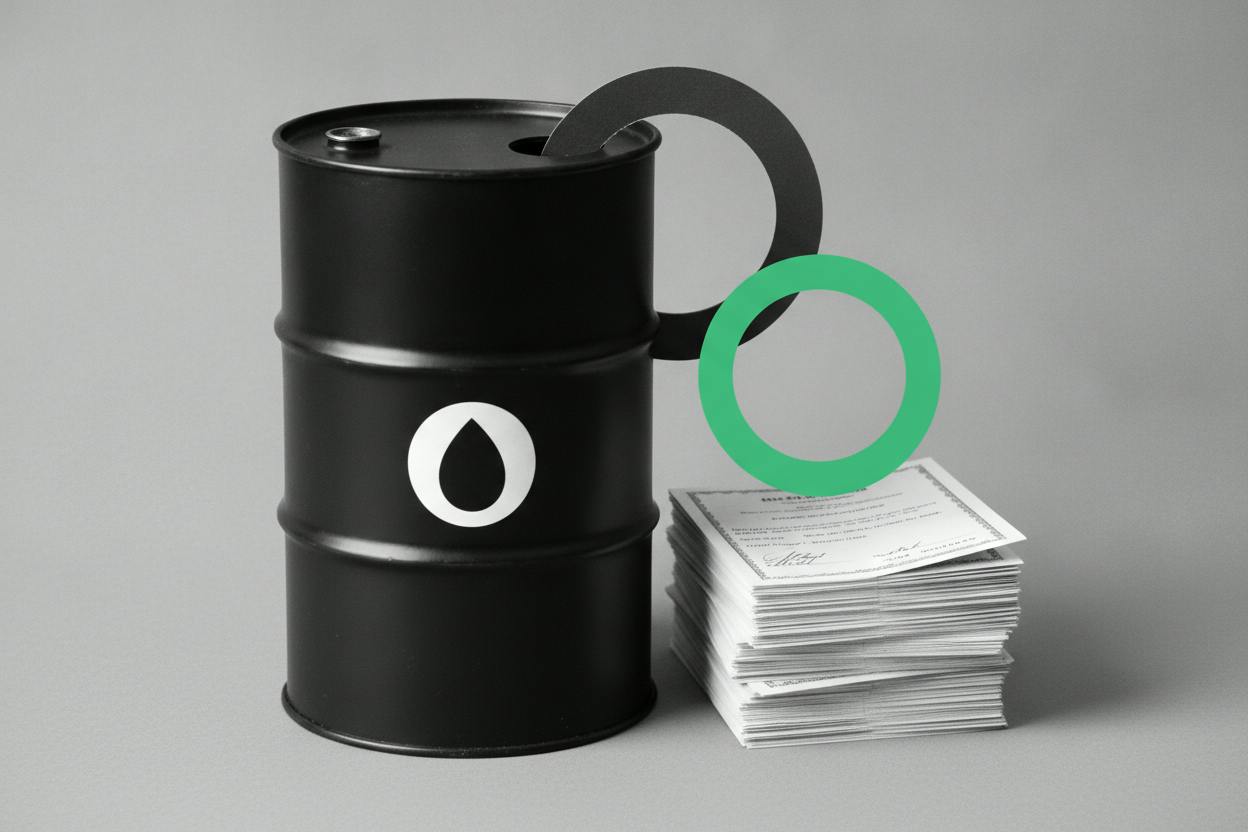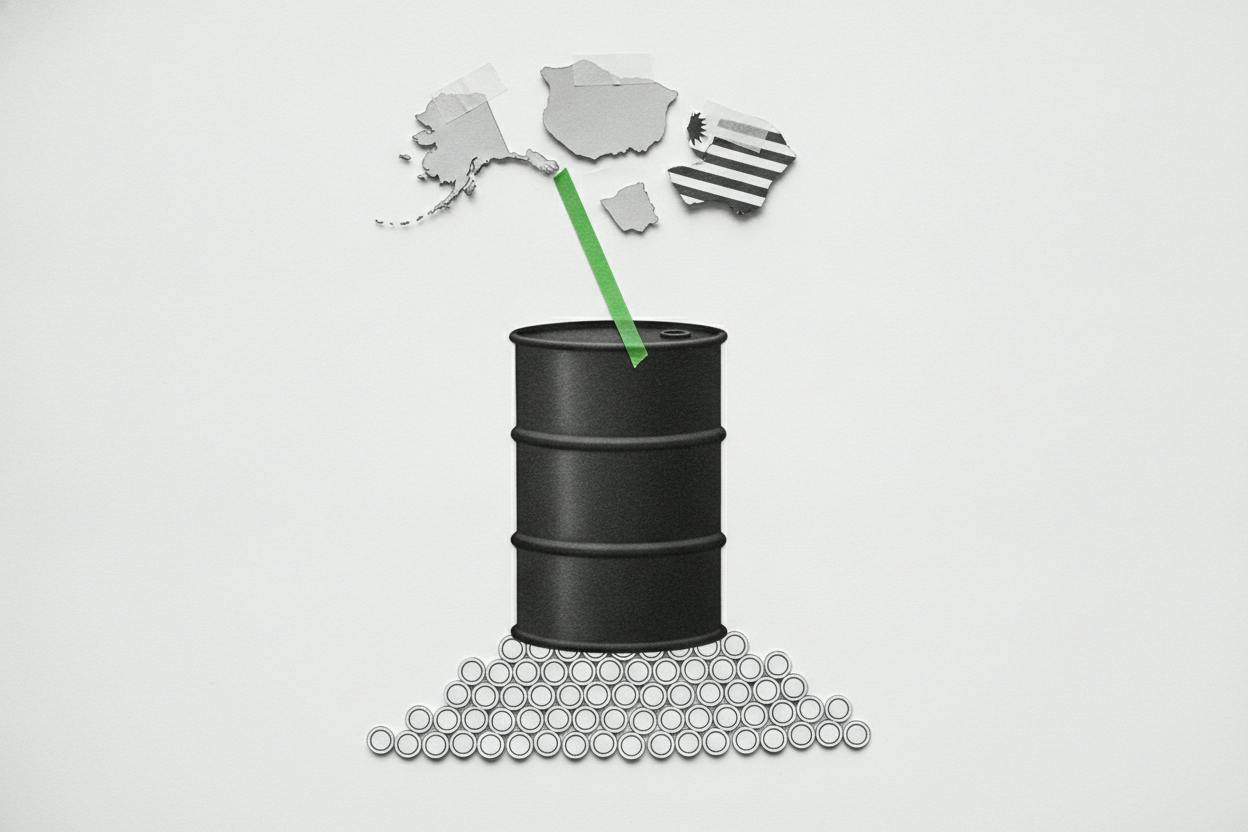
Oil prices climbed and US stocks edged lower on Thursday after Houthi rebels in Yemen announced plans to blockade Saudi oil shipments, reigniting fears of supply disruptions in a region critical to global energy markets. The move comes as investors already grapple with a mixed economic picture, highlighted by a fresh drop in the Conference Board's leading economic indicators.
Oil Rises on Geopolitical Risk
West Texas Intermediate (WTI) crude, the US benchmark, settled at $82.94 a barrel, while international benchmark Brent crude traded around $88.88. The gains were driven by the Houthi statement, which threatens to choke off a key shipping route for Saudi oil exports through the Bab el-Mandeb strait, a narrow passage connecting the Red Sea to the Gulf of Aden.
Energy markets are highly sensitive to disruptions in the Middle East, which accounts for roughly a third of the world's oil production. Even the threat of a blockade can push prices higher, as traders factor in the risk of delayed or halted shipments. The Houthis, an Iran-backed group that controls large parts of Yemen, have previously targeted Saudi oil infrastructure with drones and missiles, but a direct blockade threat marks an escalation in rhetoric.
This geopolitical jolt comes at a time when oil prices have been relatively stable, with traders focused more on inventory data and demand forecasts. Now, the focus has shifted back to supply risks, which can create a persistent premium in crude prices until the situation clarifies.
Economic Data Adds to Caution
Compounding the market's unease, the Conference Board reported that its Leading Economic Index (LEI) fell 0.2% in June, marking another month of decline. The LEI is a composite of ten economic indicators designed to signal turning points in the business cycle, including manufacturing orders, building permits, and stock prices. A sustained drop often points to a slowdown or recession ahead.
While a 0.2% decline is modest, it extends a trend of weakness that has persisted for much of the year. The index has now fallen in 10 of the last 12 months, suggesting that the US economy may be losing momentum. For investors, this raises questions about corporate earnings and consumer spending in the second half of 2024.
The combination of rising oil prices and weakening economic data is a tricky one for markets. Higher energy costs can squeeze consumer budgets and raise input costs for businesses, potentially slowing growth further. At the same time, a softer economy could reduce demand for oil, but that effect is often overshadowed by immediate supply concerns.
What It Means for Investors
For everyday investors, the key takeaway is that oil prices are likely to remain volatile as long as Middle East tensions persist. Energy stocks, which have been a bright spot in recent months, could benefit from higher crude prices. However, broader market indices like the S&P 500 may face headwinds if oil stays elevated, as it can weigh on sectors like transportation, manufacturing, and consumer discretionary.
Investors should also keep an eye on upcoming earnings reports from major companies, which will provide clues on how businesses are navigating these crosscurrents. The chip sector, for example, has been a major driver of earnings growth, but its performance could be impacted by global demand shifts.
Geopolitical events like the Houthi threat are inherently unpredictable, but they often create buying opportunities for long-term investors who can look past short-term noise. Diversification remains a prudent strategy, as energy gains may offset losses in other areas. For those with a shorter time horizon, staying nimble and monitoring news from the Middle East is wise.
The situation also highlights the importance of understanding how different assets react to the same event. While oil and energy stocks rose, broader stock indices dipped, reflecting the market's risk-off mood. This divergence is typical when geopolitical tensions flare, as investors rotate out of equities and into commodities and safe-haven assets.
Looking ahead, traders will watch for any diplomatic developments or actual disruptions to shipping. The Houthi statement may be a negotiating tactic, but it underscores the fragile nature of global energy supply chains. Meanwhile, the Conference Board's data serves as a reminder that the economic backdrop is far from robust, adding another layer of complexity for investors.
In the coming days, market attention will also turn to key earnings reports from tech giants like Alphabet and Tesla, which could set the tone for the broader market. The interplay between geopolitics, economic data, and corporate results will likely keep volatility elevated, making it a challenging environment for casual investors to navigate.