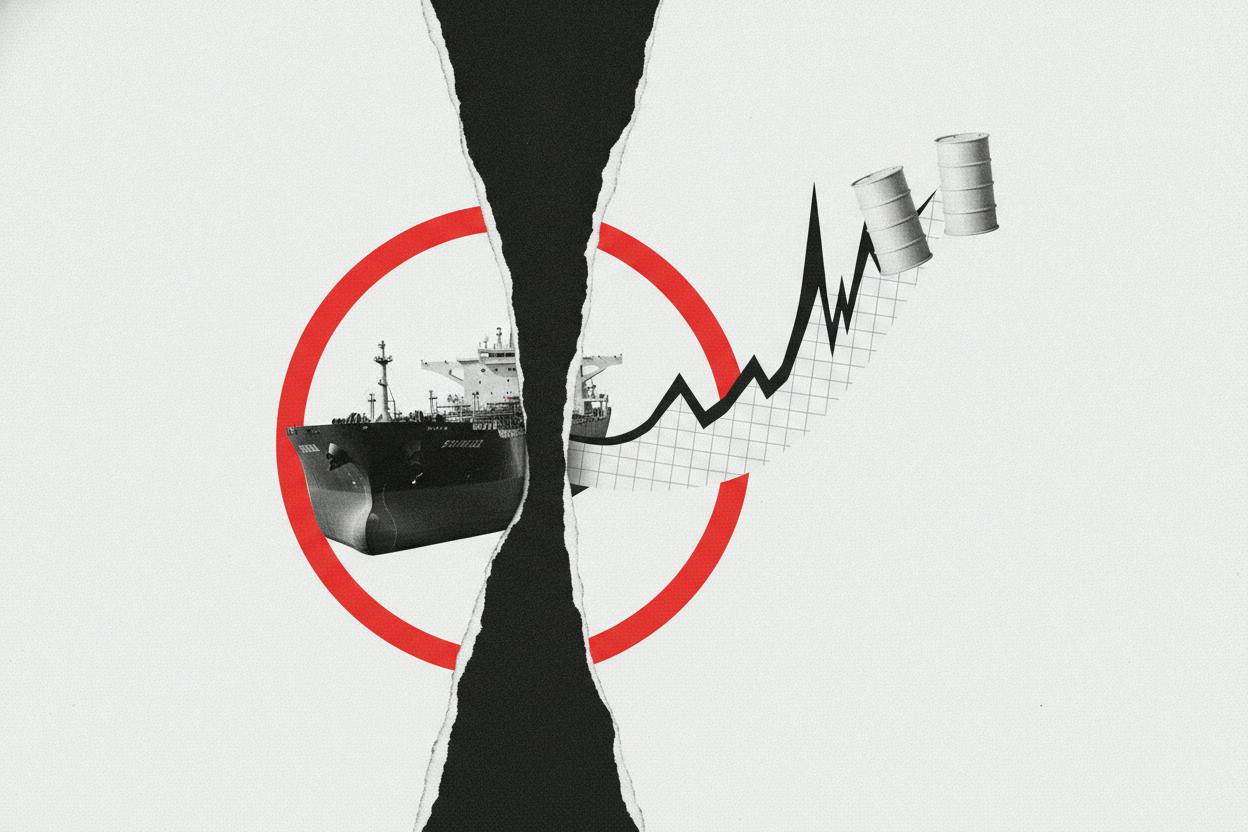
Oil prices climbed into the weekend, with Brent crude settling at $92.57 a barrel, as traders weighed fresh reports of tanker attacks near the Strait of Hormuz. The move came just before the US Thanksgiving holiday, when trading volumes typically thin out and price swings can become more pronounced.
Friday's jump, however, masked a softer week overall. Brent was still on track for a roughly 4% weekly decline, while US benchmark West Texas Intermediate (WTI) was heading for a drop of about 5%. That reflects a market caught between two competing forces: lingering fears of supply disruptions and growing concerns about oversupply.
Hormuz tensions flare again
The Strait of Hormuz, a narrow waterway between the Persian Gulf and the Gulf of Oman, is a critical chokepoint for global oil shipments. Roughly one-fifth of the world's petroleum passes through it, so any disruption there can quickly move prices.
Recent weeks had seen flows through the strait returning toward pre-conflict levels, which had been a bearish signal for prices. But that calm can evaporate quickly when headlines hit. Reuters cited reports of two tankers striking naval mines in the area, and UOB Group, a Singapore-based bank, noted that incidents were running at an elevated pace.
Such events remind traders how fragile the supply picture remains. Even if actual disruptions are limited, the mere threat of escalation can prompt risk premiums to be repriced in a matter of minutes.
Oversupply worries persist
Despite the weekend spike, the broader trend this week has been bearish. Investors have been focused on the possibility of oversupply, with major producers maintaining output and demand growth showing signs of softening. This has kept a lid on prices even as geopolitical risks flare.
The tension between these two narratives—geopolitical risk versus fundamental oversupply—has made for choppy trading. On some days, headlines about attacks or military movements dominate; on others, inventory data and demand forecasts take center stage.
For everyday investors, the key takeaway is that oil prices are likely to remain volatile. Events in the Middle East can cause sudden spikes, but they can also fade quickly if supply is not actually disrupted. This makes it difficult to predict where prices will go in the short term.
What it means for investors
For those with exposure to energy stocks or commodities, the current environment calls for caution. A geopolitical scare can boost oil prices and lift energy shares, but those gains can reverse just as quickly if tensions ease or if oversupply concerns resurface.
Investors should also keep an eye on the US dollar, which has been strong recently. A stronger dollar tends to weigh on oil prices, as it makes the commodity more expensive for buyers using other currencies. Additionally, central bank policies, such as the Federal Reserve's stance on interest rates, can influence economic growth and, in turn, oil demand.
Looking ahead, traders will be watching for any further developments in the Strait of Hormuz, as well as upcoming inventory data and production decisions from major oil producers. The Thanksgiving holiday means thinner liquidity, which can amplify price moves in either direction.
As always, it's important to remember that oil prices are just one factor in a diversified portfolio. While they can have a significant impact on energy-related investments, they are less relevant for those with broad-based holdings. For most investors, staying the course and avoiding knee-jerk reactions to daily price swings is usually the wiser approach.