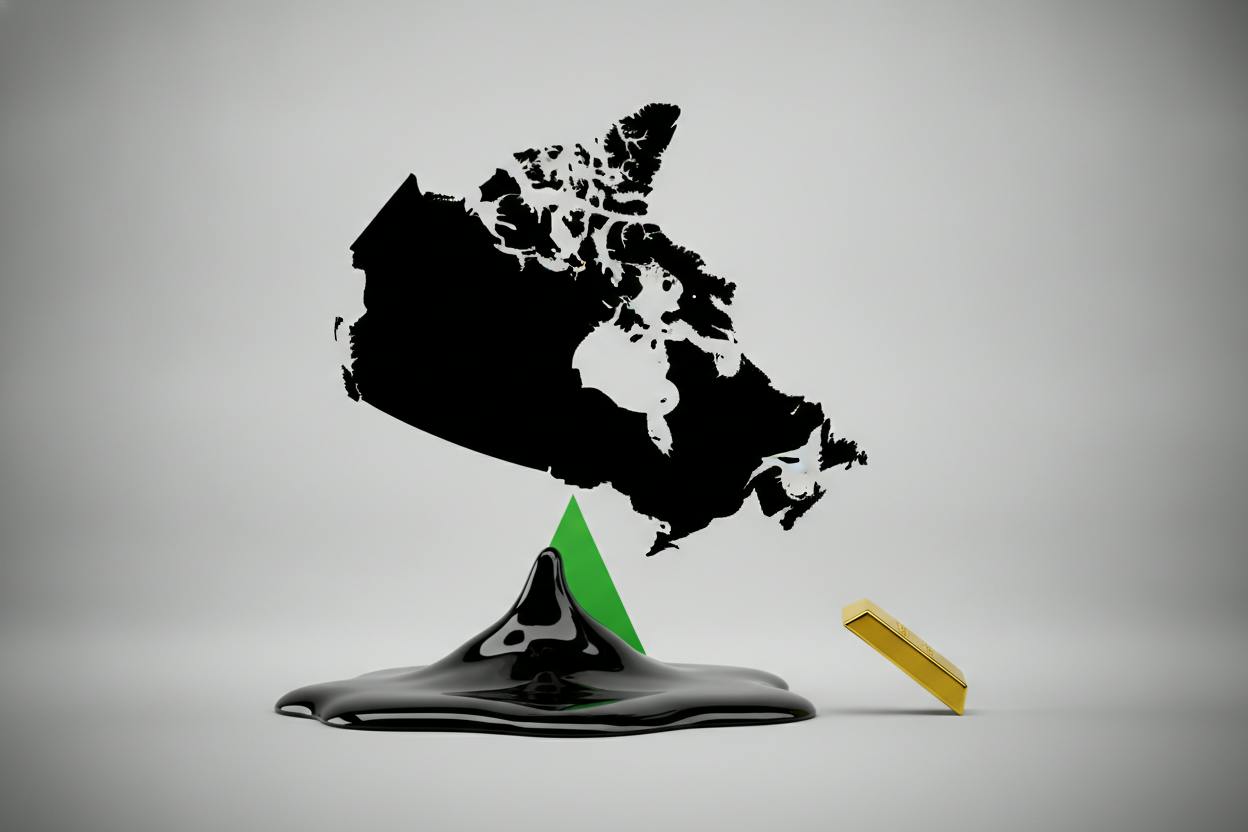
Canada's main stock index pointed higher early Wednesday, helped by a 1.1% rise in Brent crude oil. The gain in energy prices gave a lift to the country's heavyweight oil and gas producers, which was enough to offset a fourth straight daily decline in gold prices.
The move comes as traders also ramped up bets on a Bank of Canada interest-rate hike at next week's policy meeting, with futures markets now pricing in an 80% chance of a move. That combination of higher oil and a likely rate increase sets up a busy stretch for Canadian investors.
Why oil matters so much for Canada's market
Canada's stock market is unusually concentrated in commodity producers. Energy companies and miners make up a large slice of the benchmark TSX index, so even modest shifts in oil or metals prices can move the whole market.
Brent crude's 1.1% advance is tied to ongoing worries about supply disruptions in the Middle East. For Canadian energy firms, the price of oil is the single biggest driver of revenue. A rise of that size can quickly improve the outlook for quarterly earnings and cash flow, which is why investors tend to bid up energy shares on such news.
Gold, by contrast, slipped 0.1% on the day. That's a small move, and for miners it usually has less impact than a similar-sized change in oil has for drillers. Still, it marks a fourth straight session of declines for the precious metal, a trend that has been weighing on gold producers.
The Bank of Canada angle
The market's growing conviction that the Bank of Canada will raise its benchmark interest rate next week adds another layer. An 80% probability is a strong signal, though not a certainty.
Rate hikes are typically seen as a headwind for stocks because they raise borrowing costs for companies and can slow consumer spending. But in Canada, the effect is more nuanced. Higher rates often come alongside a stronger economy, which can support commodity demand. And for energy exporters, a rate hike may also strengthen the Canadian dollar, which can slightly offset the benefit of higher oil prices when revenues are converted back to local currency.
Investors will be watching the central bank's decision closely, as well as its statement for clues about the path of future hikes. The budget watchdog's recent downgrade to growth forecasts adds a note of caution, suggesting the economy may not be as robust as the rate market implies.
What it means for investors
For everyday investors, the key takeaway is that Canada's market is heavily tied to commodities. When oil rises, energy stocks tend to lead the TSX higher. When gold falls, miners can drag it down. This dynamic means diversification matters, especially for those with heavy exposure to Canadian equities.
If you hold a broad Canadian index fund or ETF, you're effectively making a bet on oil and metals prices, whether you realize it or not. That can be a good thing during commodity booms, but it also means the market can be volatile when prices swing.
The rate hike expectation is another factor to watch. Higher rates can pressure stocks that rely on cheap borrowing, such as real estate and some tech companies. But they can also be a sign that the economy is strong enough to handle tighter policy.
For now, the market's focus is on the Bank of Canada's decision and the next moves in oil and gold. As always, it's wise to keep a long-term perspective and not overreact to daily price swings.
Related reading: Singapore shares edge up on oil gains and European ADRs climb as biotech leads.