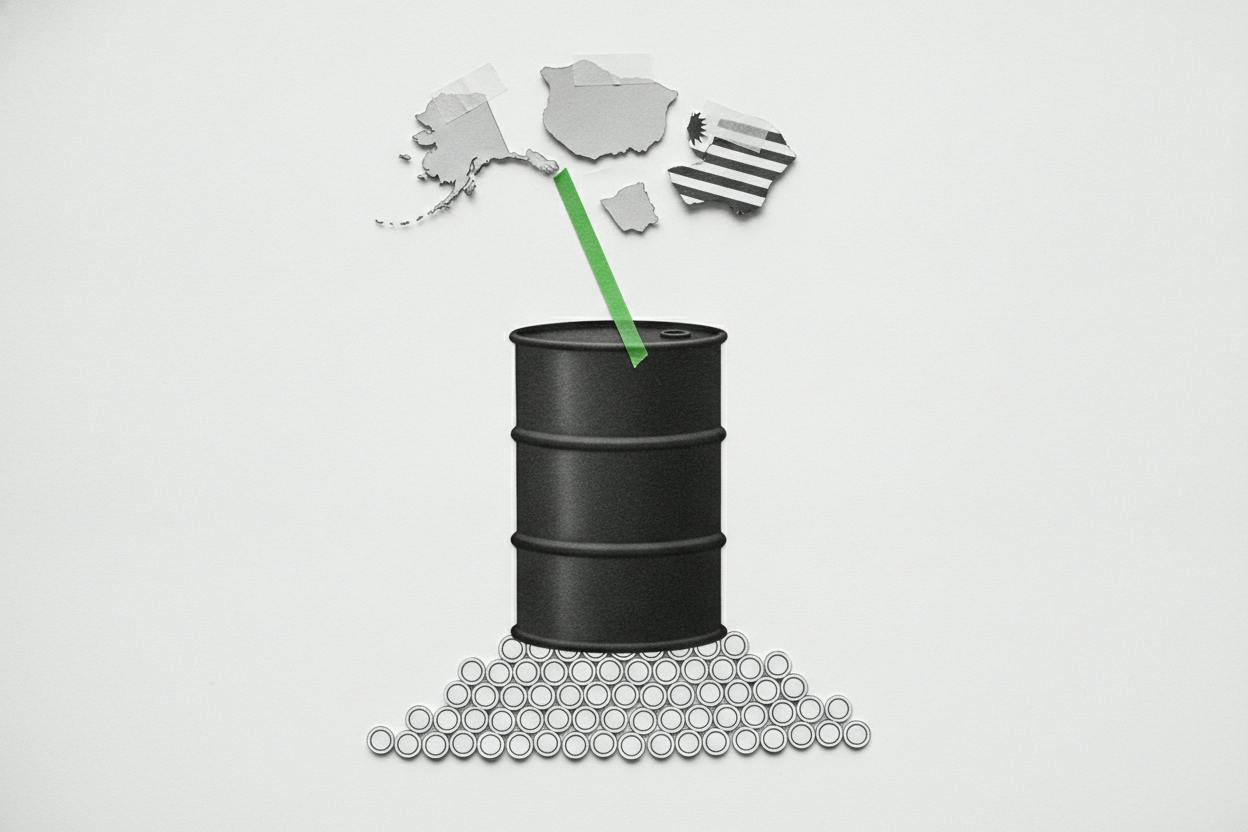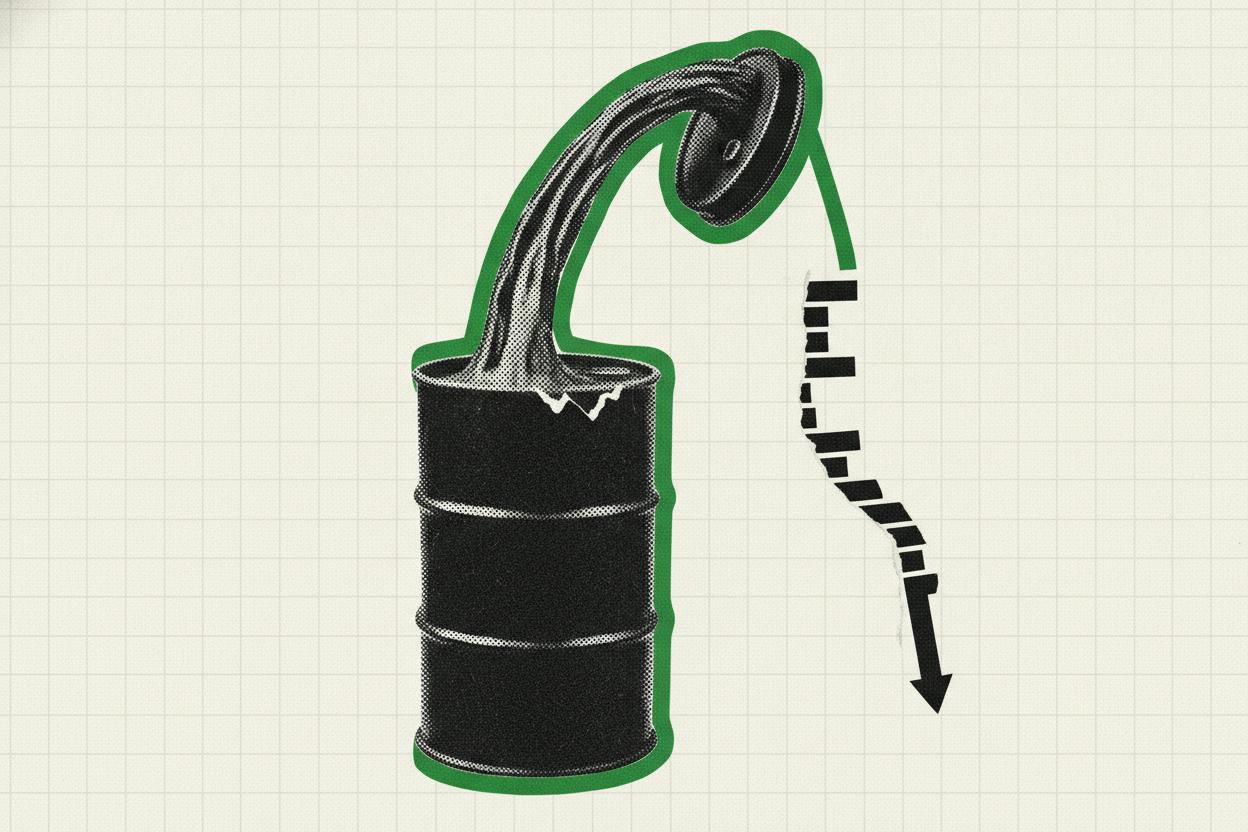
Energy stocks were on the rise ahead of Friday's opening bell as crude prices extended their recent climb. US benchmark West Texas Intermediate (WTI) topped $101 a barrel, while international benchmark Brent crude approached $115. The move lifted the Energy Select Sector SPDR Fund (XLE), a popular exchange-traded fund that tracks major energy companies, by 0.6% in premarket trading.
The rally wasn't limited to US giants. Italy's Eni, one of Europe's largest oil and gas companies, saw its shares jump more than 3% after reporting stronger-than-expected third-quarter results and raising its production outlook for 2026. That combination of rising commodity prices and company-specific good news helped energize the sector.
Why oil is climbing
Oil prices have been on a steady upward path, driven by a mix of supply concerns and geopolitical tensions. Recent attacks on shipping in the Red Sea have raised fears about disruptions to global crude flows, pushing prices higher. At the same time, production cuts by major exporters have kept supply relatively tight, even as demand from major economies remains resilient.
The move above $101 for WTI is notable because it marks a return to levels not seen in months. For context, oil prices had been range-bound for much of the year, but the latest surge reflects a market that is increasingly worried about supply. Rising oil prices have also weighed on other markets, as higher energy costs can feed into inflation and complicate central bank policy.
Brent crude, which is the benchmark for international oil, has been trading near $115, a level that has historically been associated with higher costs for consumers and businesses. When oil prices rise this sharply, the effects ripple through the economy—from higher gasoline prices to more expensive shipping and manufacturing costs.
What Eni's results tell us
Eni's strong performance is a reminder that energy companies are benefiting from the current price environment. The company reported better-than-expected third-quarter earnings, driven by robust production and favorable pricing. It also raised its production outlook for 2026, signaling confidence in its ability to grow output in the coming years.
For investors, Eni's results highlight a broader trend: energy firms with strong balance sheets and efficient operations are well-positioned to capitalize on higher oil prices. The recent climb in oil has coincided with other market pressures, including rising Treasury yields, but energy stocks have managed to stand out.
It's worth noting that Eni is a European company, and its shares trade on the Milan stock exchange. However, its performance can influence sentiment across the global energy sector, including US-listed companies. The XLE's premarket gain suggests that investors are optimistic about the sector's near-term prospects.
What it means for investors
For everyday investors, the rise in oil prices and energy stocks is a double-edged sword. On one hand, energy companies are seeing their profits grow, which can translate into higher stock prices and potentially larger dividends. On the other hand, higher oil prices can squeeze consumers and businesses, potentially slowing economic growth.
If you own energy stocks or funds like the XLE, the recent rally is a positive development. But it's important to remember that oil prices are volatile and can reverse quickly. Geopolitical events, like the Houthi attacks that have disrupted shipping, can cause sharp swings in both directions.
For those who don't own energy stocks, the rally is a reminder of the importance of diversification. Energy is a cyclical sector that tends to perform well when commodity prices are rising, but it can lag when prices fall. A well-balanced portfolio typically includes exposure to multiple sectors to smooth out these ups and downs.
Looking ahead, investors will be watching several factors. First, whether oil prices can hold above the $100 mark or continue to climb. Second, how central banks respond to the inflationary pressure that higher energy costs can create. The Federal Reserve's upcoming policy decision will be closely scrutinized for clues about future interest rate moves.
Finally, company earnings will matter. If energy firms continue to beat expectations and raise guidance, the sector could see further gains. But if oil prices retreat, those gains could quickly evaporate.
In the meantime, the message for investors is clear: energy is back in the spotlight, and the rally is being driven by real supply concerns and solid corporate results. As always, it's wise to stay informed and consider how these developments fit into your own financial goals.