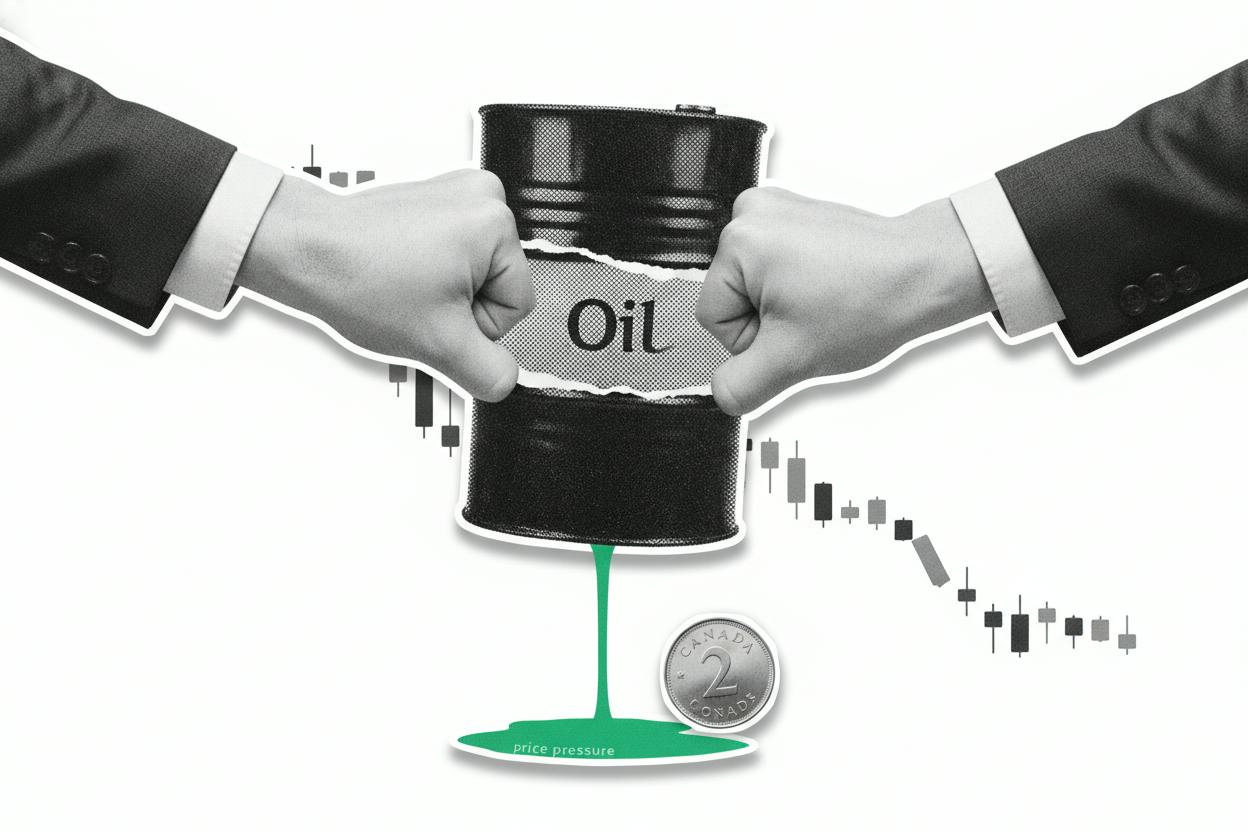
Oil prices slipped on Tuesday as hopes for renewed US-Iran talks resurfaced, a development that rippled through currency and bond markets. West Texas Intermediate (WTI) December futures fell 0.7% to $102.07 a barrel, while December Brent slipped 0.4% to $114.91, after The Wall Street Journal reported that Vice President JD Vance had reached out to Mohsen Rezaei, who leads Iran's Supreme National Security Council.
Why oil prices are falling
The potential for dialogue between Washington and Tehran raised hopes that sanctions on Iranian oil exports could eventually be eased, which would add more supply to a market that has been tight since Russia's invasion of Ukraine. Even the possibility of talks can weigh on prices, as traders anticipate a future increase in global supply.
Iran holds some of the world's largest proven oil reserves, and its exports have been constrained by US sanctions. Any move toward a deal could unlock significant barrels, which is why the market is sensitive to even tentative signs of diplomatic progress.
What it means for the dollar and yields
The drop in crude had a knock-on effect on currencies. Because Canada is a major oil exporter, weaker crude can mean fewer export dollars flowing into the country, which can reduce support for the Canadian dollar. That helped push the greenback down 0.2% against the Canadian dollar, as the US currency weakened against its northern neighbor.
At the same time, 10-year Treasury yields dipped toward 5%, a level that has been closely watched by investors. Lower oil prices can ease inflation expectations, which in turn can reduce the pressure on the Federal Reserve to keep interest rates high. That dynamic tends to support bond prices, pushing yields lower.
What it means for investors
For everyday investors, the interplay between oil, the dollar, and yields is more than just a market curiosity—it affects portfolios in several ways.
First, lower oil prices can be a mixed blessing. While they reduce costs for consumers and businesses, they can hurt energy stocks and the broader Canadian economy, which relies heavily on energy exports. Investors with exposure to Canadian assets or energy funds may see some volatility.
Second, the dollar's movement matters for international investments. A weaker dollar can boost returns for US investors holding foreign assets, but it can also signal shifting global risk sentiment. The dollar's recent strength has been a theme, and any reversal could have broad implications.
Third, Treasury yields near 5% are a key threshold. Higher yields make bonds more attractive relative to stocks, and they also raise borrowing costs for companies and consumers. If oil-driven inflation relief helps keep yields in check, it could provide some support for equities.
Geopolitical risks remain
It's important to note that talks are only a possibility, not a done deal. Previous rounds of US-Iran diplomacy have collapsed, and any breakthrough would likely take time. Meanwhile, the market still faces significant supply concerns, including the ongoing war in Ukraine and OPEC+ production decisions.
As oil slips below $114 on similar signals, traders are watching for any concrete steps from either side. The situation remains fluid, and prices could reverse quickly if talks stall.
Looking ahead
Investors will be watching upcoming economic data, including US jobless claims and GDP figures, which could influence the Fed's next move. The TSX slipped as gold miners and tech dragged, with US inflation keeping a Fed hike in play. That backdrop suggests that oil's impact on inflation and monetary policy will remain a central theme.
For now, the oil market's reaction to diplomatic signals is a reminder of how interconnected global markets are. A single headline can move commodities, currencies, and bonds, and investors should stay informed about these cross-market dynamics.
As always, it's wise to maintain a diversified portfolio that can weather volatility in any single asset class. While oil's slide may offer some relief at the pump, its ripple effects are far-reaching.