US equity futures slipped into the red on Monday as Brent crude oil surged to $99.27 a barrel, just shy of the psychologically important $100 mark. The move came after Iran-backed Houthi rebels in Yemen said they had attacked two Saudi oil tankers in the Red Sea, raising fears that the conflict in the Middle East could disrupt one of the world's most vital energy shipping lanes.
The attack marks a significant escalation in a region already on edge. The Red Sea is a critical chokepoint for global oil shipments, and any sustained disruption there can quickly ripple through energy markets. Brent crude, the international benchmark, has now risen sharply in recent sessions, approaching levels not seen in months.
Why Oil Prices Matter for Stocks
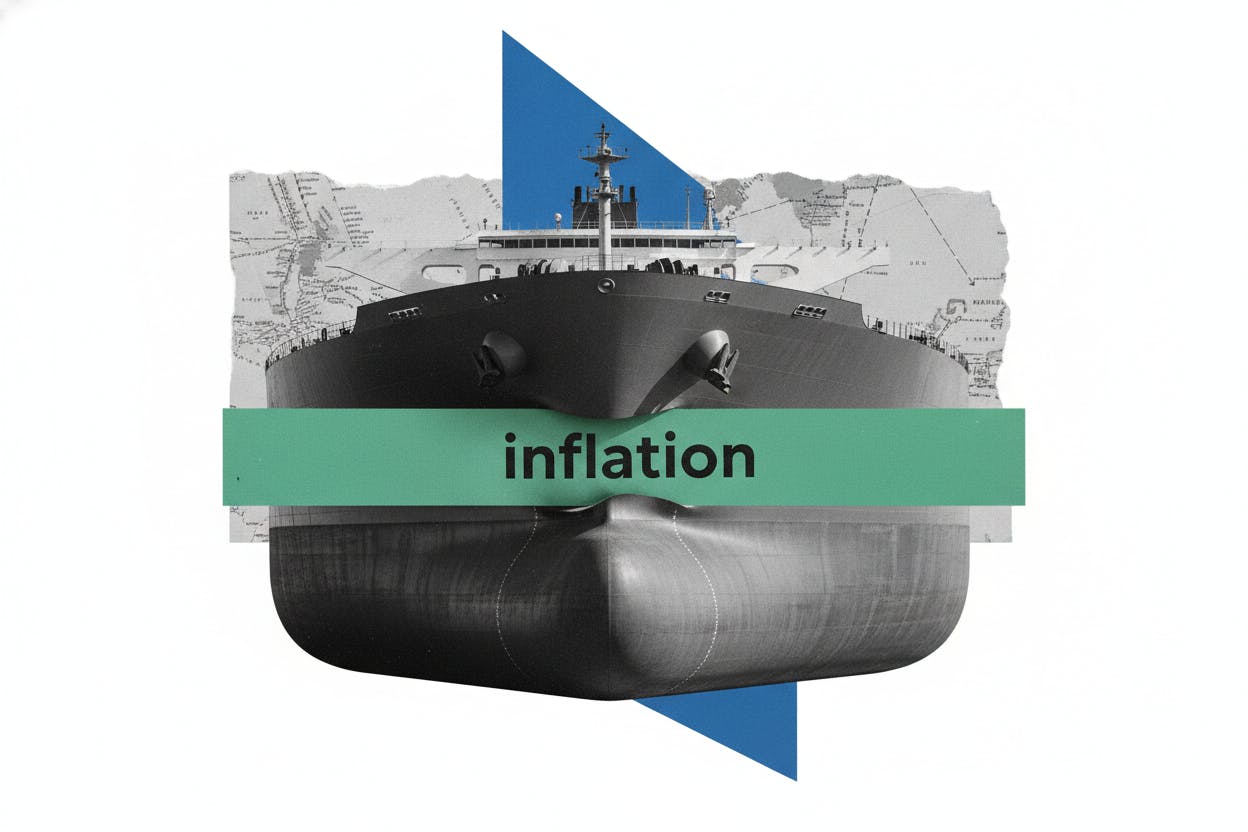
Oil prices often move markets less because of their direct impact on energy stocks and more because of what they signal for the broader economy. When crude jumps, it raises the cost of gasoline, diesel, and jet fuel, which can feed into higher transportation and production costs across industries. Over time, that can seep into consumer prices and push up headline inflation.
For investors, higher inflation is a double-edged sword. It erodes purchasing power and can force central banks like the Federal Reserve to keep interest rates higher for longer. That expectation tends to push bond yields up and makes growth stocks—especially in the tech sector—less attractive, since their future profits are worth less in today's dollars when discounted at higher rates.
This dynamic was on full display Monday. As oil surged, futures on the S&P 500 and Nasdaq 100 both declined, reflecting a broad risk-off mood. Energy stocks were likely to be the exception, but the broader market was feeling the pressure from rising crude and the uncertainty it brings.
Geopolitical Risk Returns to the Fore
The Houthi attacks are a reminder that geopolitical risk in the Middle East remains elevated. The group, which is backed by Iran, has been involved in a years-long conflict with a Saudi-led coalition. Targeting oil tankers in the Red Sea is a tactic that directly threatens global energy supplies and has drawn international condemnation.
While the immediate impact on oil production is limited—the tankers themselves were carrying crude, not producing it—the psychological effect on markets is clear. Traders are pricing in a higher risk premium for oil, worried that any further escalation could lead to actual supply disruptions. The Strait of Hormuz, another critical chokepoint, is also in the region, and any spillover could have even more severe consequences.
This is not the first time the Red Sea has been a flashpoint. In recent years, similar attacks have led to temporary spikes in oil prices, but they have usually faded once the immediate threat passed. Whether this time is different will depend on how Saudi Arabia and its allies respond, and whether the Houthis carry out further strikes.
What It Means for Everyday Investors
For ordinary investors, the key takeaway is that oil at $100 is not just a headline—it has real implications for portfolios. Higher energy costs can squeeze corporate profit margins, especially for airlines, shipping companies, and manufacturers. Consumer-facing companies may also feel the pinch if higher gasoline bills reduce spending on other goods.
On the flip side, energy stocks and funds that track the sector could benefit from rising crude prices. But investors should be cautious about chasing the move, as geopolitical spikes can reverse quickly if tensions ease.
The broader market reaction also highlights the delicate balance central banks are trying to strike. With inflation still above target in many economies, a sustained rise in oil prices could delay expected interest rate cuts. That would be a headwind for stocks in general, particularly for growth-oriented sectors like technology.
For now, all eyes will be on the Red Sea and on any diplomatic efforts to de-escalate the situation. Oil prices are likely to remain volatile, and that volatility will continue to spill over into equity markets.