US stocks slipped after midday Thursday as a sharp jump in oil prices revived inflation worries, with the tech-heavy Nasdaq bearing the brunt of the selling. The index fell 1.3%, while the broader market also drifted lower as traders weighed the implications of costlier crude for the Federal Reserve's interest-rate path.
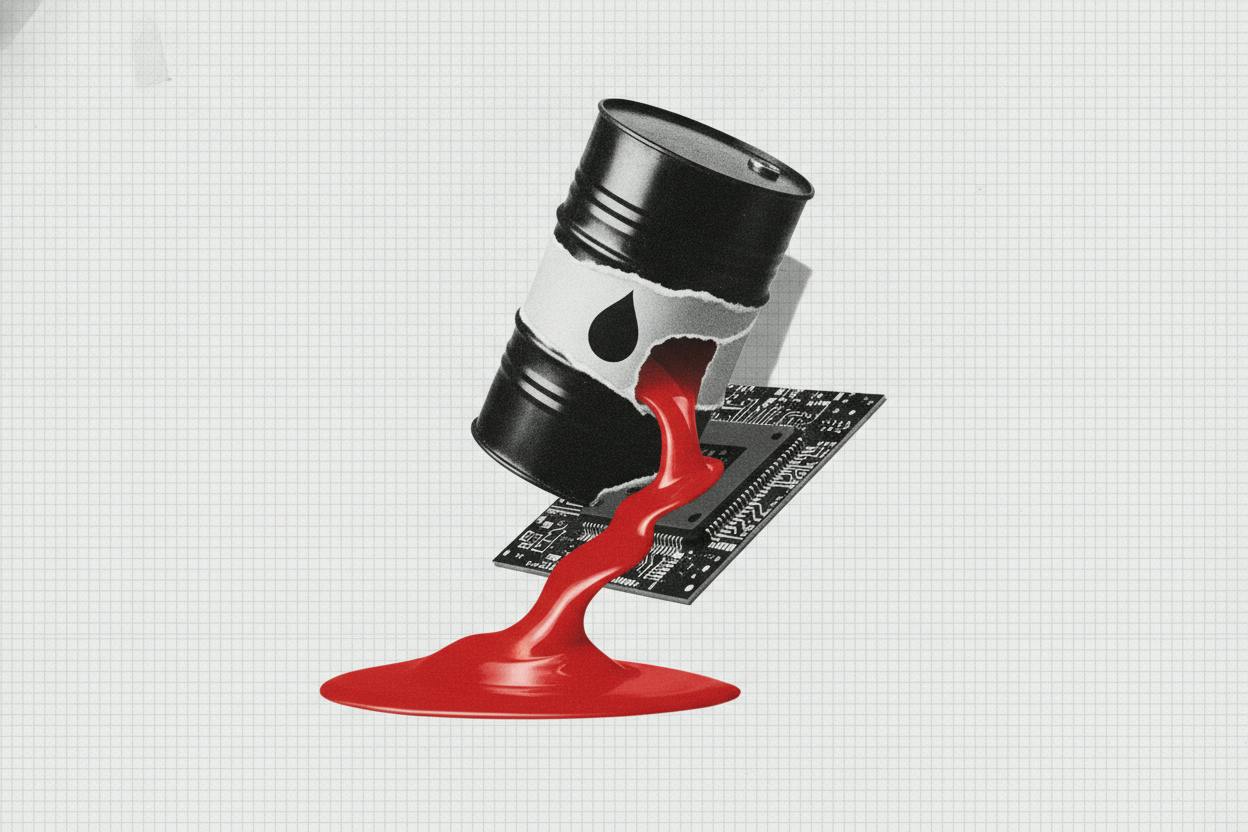
Crude did the heavy lifting. Front-month US West Texas Intermediate (WTI) climbed 3.8% to $91.67 a barrel, while Brent, the global benchmark, rose 4.3% to $104.51. The move came after Reuters reported that Iran warned it could block shipping routes in the Strait of Hormuz that it hasn't authorized. That raised fresh concerns about supply disruptions in one of the world's most critical oil transit chokepoints.
Adding to the supply worries, Chevron said it had started shutting in production at four facilities in the Gulf of America and evacuating workers, citing storm-related disruption risk. The combination of geopolitical tension and weather-related outages gave traders another reason to price in tighter supply.
Why oil matters beyond the pump
Oil's move matters for more than just the cost of filling up a car. Energy prices feed directly into headline inflation, and that shapes how long the Federal Reserve can keep interest rates high. On Thursday, CME FedWatch still implied the most likely outcome was no change at the next meeting, but markets continued to price meaningful odds of additional tightening later on.
That's where tech gets hit. When investors think rates will stay higher for longer, they apply a higher "discount rate" when valuing future profits. That tends to hurt companies whose expected cash flows sit further in the future, which is why growth-heavy sectors like technology often feel the most pain. The dynamic often pushes money toward sectors like energy and consumer staples, which can hold up better when inflation risk rises.
For a deeper look at how rate expectations have been moving markets, see our recent piece on Fed rate hike warnings.
What it means for investors
A sharp oil move can quickly turn into a broader inflation story. If crude stays elevated on supply risks like Hormuz shipping tensions, traders are more likely to keep pricing a restrictive Fed path, even if bond yields are choppy day to day.
That usually shows up first in valuations: growth-heavy, "long-duration" stocks—a Wall Street way of saying their profits are expected further out—tend to see their price-to-earnings multiples compress when discount rates look sticky. Meanwhile, energy shares can get a direct earnings tailwind from higher crude, and consumer staples often benefit from investors rotating toward steadier, less rate-sensitive businesses.
For everyday investors, the key takeaway is that oil isn't just a commodity story. It's a signal about inflation and interest rates, which ripple through every corner of the stock market. If you're holding a diversified portfolio, you might see tech-heavy funds swing more than others on days like this, while energy and staples provide some ballast.
Related coverage: storm shut-ins and supply tightening have been a recurring theme, and shipping disruptions in the Gulf have also kept traders on edge.
As always, it's worth watching whether oil's move sticks. If crude retreats quickly, the inflation scare may fade just as fast. But if supply risks persist, the pressure on tech and other long-duration stocks could continue, and the Fed's path becomes even more uncertain.