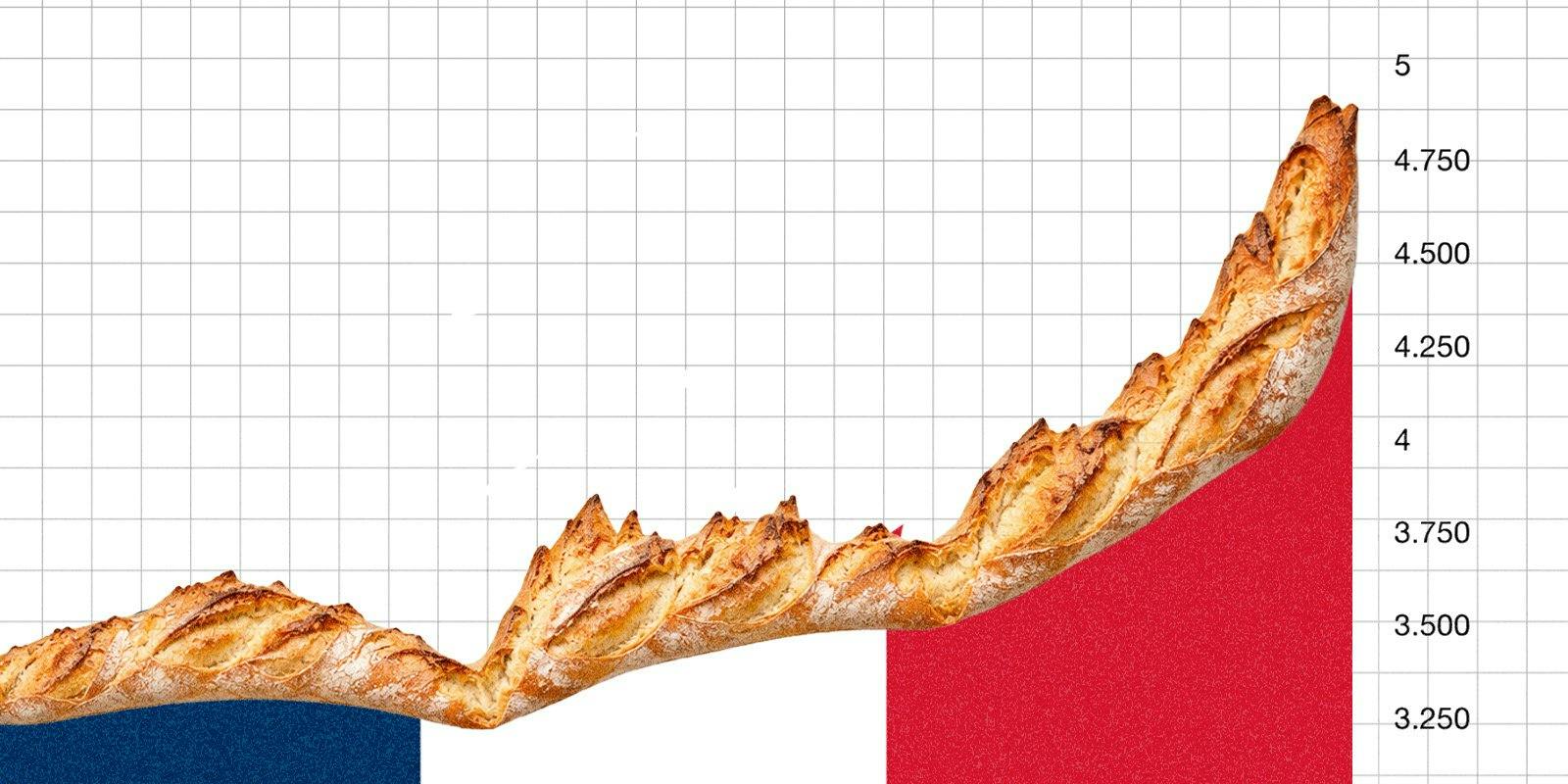
For decades, government bonds have been the default safe haven for investors—the asset you buy when you want certainty. Governments, after all, can raise taxes or cut spending to meet their obligations. But France is testing that assumption. Its 10-year bond yield—the annual return investors demand for lending to the country for a decade—has climbed to nearly 5%. That's a striking level for one of Europe's largest economies.
Even more telling: around 38% of France's high-grade corporate bonds now offer lower returns than government debt of similar maturity. In other words, investors are more comfortable lending to some French companies with healthy balance sheets than to the French state itself. That inversion is a red flag, because it suggests the market sees the government as a riskier borrower than the businesses it regulates.
Why France's debt is getting riskier
The numbers behind this shift are stark. France's government debt has ballooned to €3.6 trillion. The country has repeatedly missed its deficit targets, and next year's budget is heading for a parliamentary fight. An upcoming presidential election is adding another layer of uncertainty, while high energy prices continue to weigh on the economy.
For investors, the concern is simple: if a government can't get its finances in order, the risk of default—or of being forced into painful austerity—rises. That's why they're demanding a higher premium to hold French bonds.
The gap between French and German bond yields is the clearest sign of this unease. Germany's bonds are the eurozone's benchmark, and last week France's 10-year borrowing cost briefly sat 1.5 percentage points higher than Germany's. That's the widest spread since the eurozone sovereign debt crisis of the early 2010s, when several countries struggled to manage their debt piles and threatened the entire currency union.
The jitters have spread beyond France. Italy's premium over Germany has climbed above 1 percentage point and remains there. For investors with long memories, that brings back uncomfortable echoes of the crisis that nearly broke the euro.
What this means for your money
If you own French government bonds directly, the rising yield means the market value of your existing bonds has likely fallen—bond prices move inversely to yields. But the bigger picture is about risk. When a major economy like France looks shakier, it can ripple through European markets, affecting everything from the pound's strength against the euro to the dollar's rise.
For everyday investors, the key takeaway is that "safe" government debt isn't always as safe as it seems. The higher yields on French bonds might look attractive, but they come with real risk. That's why diversification matters—spreading your money across different assets and countries can help cushion against any single government's troubles.
It's also worth noting that not all of Europe is struggling. Germany, the continent's largest economy, is on track for its fastest growth in four years. Its economic ministry now expects the country to grow 1.3% this year—more than double its April forecast—driven by exports and government debt-funded spending. That's a welcome recovery after a weak stretch, though German shoppers aren't celebrating yet: inflation is still relatively high, and household spending is expected to stay soft for now.
What to watch next
Investors will be watching France's budget negotiations closely. If the government can't pass a credible deficit-reduction plan, the pressure on French bonds could intensify. The presidential election adds another layer of unpredictability, as candidates may promise spending that worsens the fiscal picture.
There's also the question of how far the contagion spreads. Spain's snap election has already added to eurozone political risk, and hedge funds have been blamed for half of France's bond sell-off, according to Fidelity. That suggests some of the move is speculative, but the underlying fiscal problems are real.
For now, the message from the bond market is clear: France's debt is no longer the rock-solid safe haven it once was. Investors are demanding a higher price for the risk, and that's a trend worth watching—especially if you hold European assets or are considering buying government bonds.