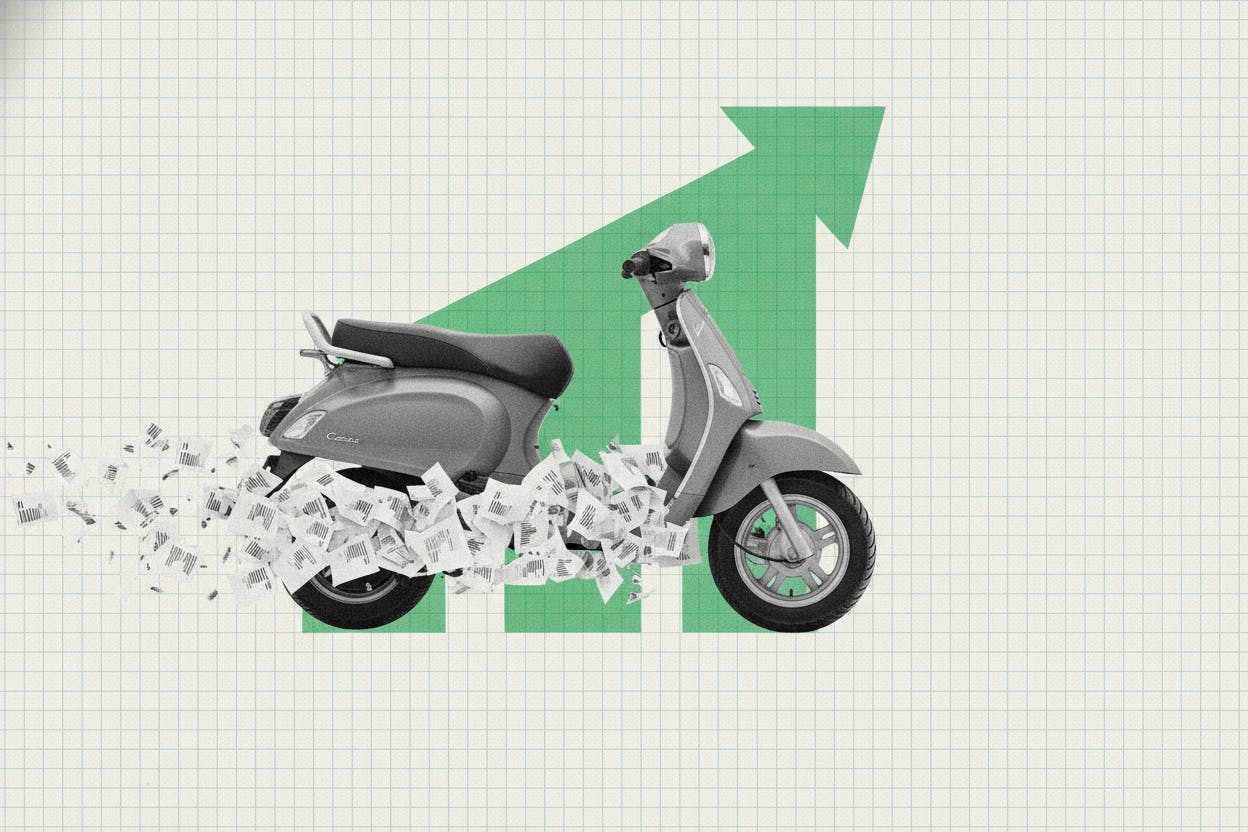
Ola Electric, India's leading electric scooter maker, reported a narrower net loss for the June quarter, as stronger demand for its vehicles and cost savings from last year's restructuring helped the company move closer to profitability.
The Bengaluru-based company posted a net loss of 3.36 billion rupees (about $40 million) for the quarter, an improvement from the same period a year earlier. Deliveries of its electric scooters rose, while operating costs fell as the effects of a company-wide restructuring announced last year began to show up in the numbers.
What's driving the improvement?
The jump in deliveries reflects growing consumer appetite for electric two-wheelers in India, a market that has expanded rapidly as fuel prices remain elevated and government incentives make EVs more affordable. Ola Electric has been a dominant player in this segment, competing with domestic rivals like TVS Motor and Bajaj Auto, as well as newer entrants.
The cost reduction is largely tied to the restructuring Ola Electric undertook in 2023, which involved streamlining operations, cutting jobs, and renegotiating supplier contracts. These measures were designed to reduce fixed costs and improve margins, and the latest quarter suggests they are starting to pay off.
Still, the company remains loss-making, and its path to sustained profitability will depend on maintaining delivery growth while keeping costs in check. Rising competition and potential changes in government subsidies could add pressure.
What it means for investors
For everyday investors, Ola Electric's results are a reminder that early-stage EV companies often prioritize growth over profits, and that narrowing losses can be a positive signal even if the bottom line is still red. The company's ability to cut costs while boosting deliveries is a key metric to watch, as it suggests the business model is gaining traction.
Investors should also consider the broader context. India's EV push is part of a global trend, but it comes with unique challenges, including charging infrastructure gaps and price sensitivity among consumers. Companies that can scale efficiently and manage costs are better positioned to benefit from the long-term shift to electric mobility.
The results also come at a time when Indian shares have been volatile, with oil prices and global cues influencing sentiment. A stronger performance from a key EV player could provide some support to the sector, but investors should keep an eye on broader market conditions.
Looking ahead
Ola Electric's next few quarters will be crucial. The company is expected to continue expanding its product lineup and distribution network, which could drive further delivery growth. However, it will also face tougher comparisons as the base of deliveries grows.
Analysts will be watching whether the company can sustain its cost discipline and whether any new subsidies or regulatory changes affect demand. The Indian government has been supportive of EVs, but policy shifts can alter the competitive landscape quickly.
For now, the narrower loss is a step in the right direction, but investors should treat it as one data point in a longer story. As with any high-growth company, the key is to assess whether the underlying trends—rising deliveries, falling costs, and a supportive market—continue to align.