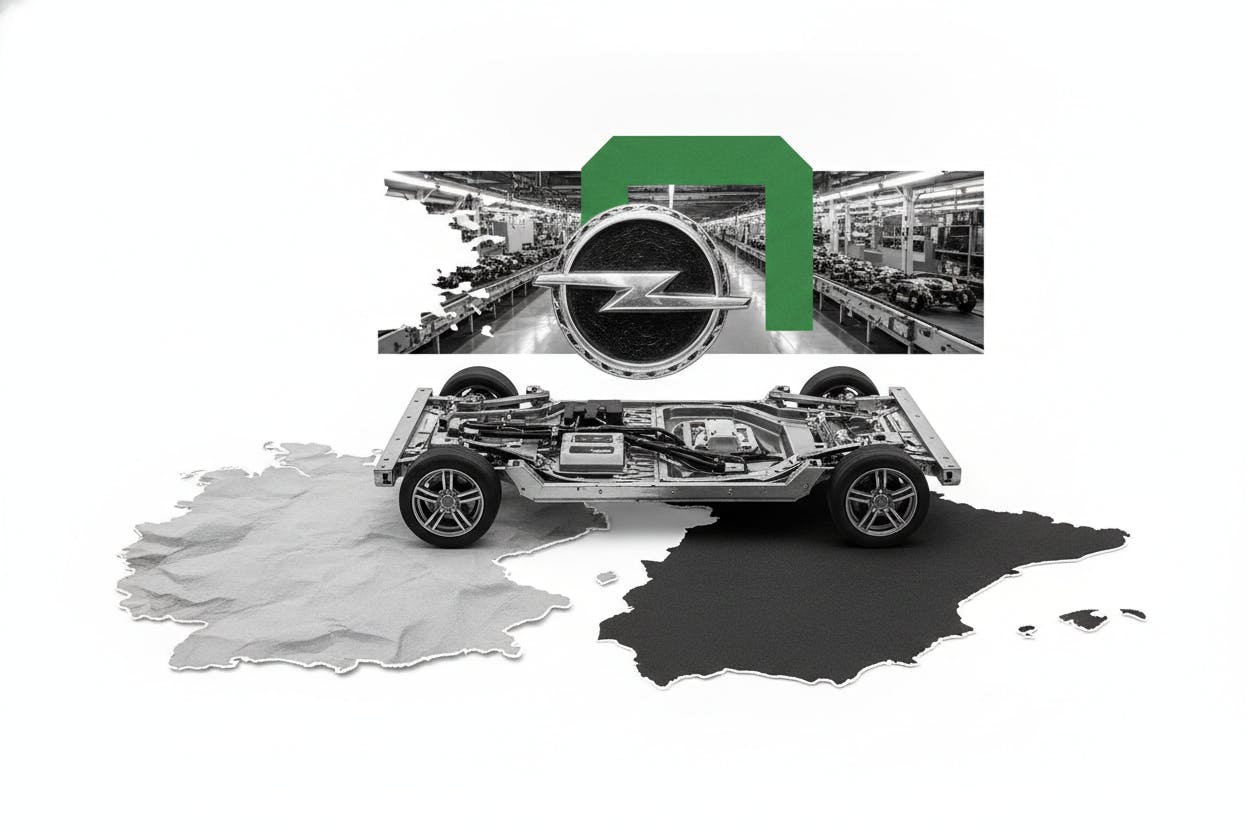
Opel, the German automaker owned by Stellantis, is turning to Chinese partner Leapmotor to help it build a new electric SUV within two years. CEO Florian Huettl said the brand needs to ramp up automation and cut costs to stay competitive, as it shifts its Ruesselsheim factory to a leaner operating model.
Why Opel Needs a Cheaper, Faster Approach
Automakers across Europe are under pressure to reduce production expenses, especially as they transition to electric vehicles. Opel, like many legacy brands, faces higher labor and supply chain costs compared to newer EV-focused competitors. Huettl's comments highlight the urgency: without more automation, the brand risks falling behind on price and efficiency.
The partnership with Leapmotor, a Chinese EV startup, is a key part of this strategy. Leapmotor brings expertise in cost-effective EV platforms and manufacturing, which Opel can leverage to speed up development. The jointly developed SUV is expected to hit the market in about two years, targeting the growing demand for affordable electric family cars.
Ruesselsheim's Leaner Future
Opel's headquarters plant in Ruesselsheim, Germany, is central to the restructuring. Huettl indicated the facility will shift to a leaner setup, likely involving fewer workers and more automated processes. This mirrors broader trends in the auto industry, where companies are investing in robotics and AI to reduce reliance on manual labor.
For investors, this move signals that Stellantis is serious about improving margins at Opel, which has historically struggled with profitability. The brand's turnaround under Stellantis has been gradual, but the Leapmotor deal could accelerate it.
What It Means for Investors
Opel's cost-cutting push is part of a larger industry trend. Automakers worldwide are grappling with rising input costs, from raw materials to energy. The shift to EVs also requires massive capital expenditure, making efficiency gains critical. For Stellantis shareholders, Opel's progress is a small but important piece of the puzzle.
However, the partnership with Leapmotor also carries risks. Chinese EV makers face geopolitical tensions and potential tariffs in Europe. Opel will need to navigate these challenges while maintaining quality and brand identity. Investors should watch for updates on the SUV's development and any changes to Stellantis's overall cost structure.
In the near term, the focus will be on how quickly Opel can implement automation and whether the Ruesselsheim restructuring leads to job cuts or production shifts. The broader auto sector is also watching similar moves by rivals like Volkswagen and Renault, who are also seeking Chinese partnerships to lower costs.
For everyday investors, this story underscores the importance of cost management in the auto industry. Companies that can produce EVs affordably are better positioned to compete, especially as price wars heat up. Opel's deal with Leapmotor is a bet that collaboration can deliver those savings faster than going it alone.