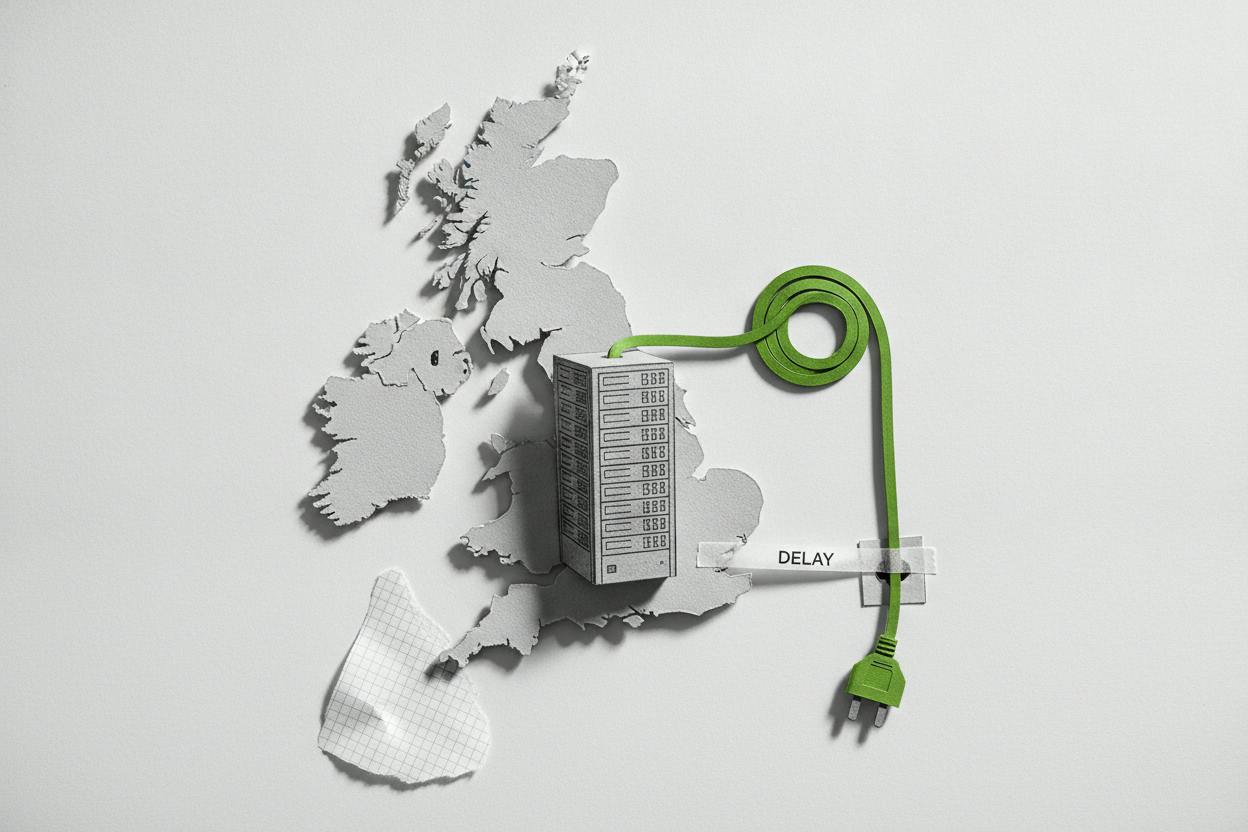
OpenAI, the company behind ChatGPT, is significantly expanding its European headquarters in Dublin, planning to more than triple its local workforce to 350 employees and lease 88,000 square feet of office space in the city's Silicon Docks district. The move signals the artificial intelligence leader's continued investment in Europe despite broader tech sector uncertainty.
Expansion details
The Dublin office, which opened in 2023, currently employs over 100 people. OpenAI says it will add approximately 250 roles over the next two years, spanning engineering and customer support functions. The new office space in Silicon Docks—Dublin's tech hub that houses European headquarters for companies like Google, Facebook, and LinkedIn—will accommodate this growth.
This expansion comes at a time when other major tech companies have been reducing their Irish workforces. Meta and TikTok have both announced job cuts in Ireland recently, making OpenAI's hiring push stand out. The company's decision to grow its Dublin presence reflects its broader strategy to build a strong European base for AI development and customer operations.
What this means for investors
For everyday investors, OpenAI's Dublin expansion is a signal about the company's growth trajectory and its commitment to the European market. While OpenAI is not publicly traded—it remains a private company backed by Microsoft and other investors—its expansion plans offer clues about the broader AI industry's health.
The company's decision to invest heavily in physical office space and hiring suggests it expects sustained demand for its AI products, including ChatGPT, which has seen explosive growth since its launch. This confidence in future growth is noteworthy given the recent market jitters about AI spending and whether the technology will deliver on its promises.
Investors in publicly traded AI-related companies, such as chipmakers and cloud providers, may view this as a positive sign. OpenAI's expansion means it will likely continue to purchase significant computing power and cloud services, benefiting companies like Microsoft and Nvidia. The company has already announced plans for massive deployments of AI servers, which require substantial hardware investments.
Broader context
Dublin has long been a favored location for US tech companies establishing European headquarters, thanks to its English-speaking workforce, favorable corporate tax rates, and access to talent from across the European Union. OpenAI's expansion there follows a pattern set by other tech giants, but it also represents a bet on the city's ability to attract AI specialists.
The company's hiring plans contrast with the broader tech industry's recent focus on cost-cutting and efficiency. While Meta, TikTok, and others have trimmed their Irish workforces, OpenAI is bucking the trend by adding jobs. This divergence highlights the AI sector's relative strength compared to other parts of the technology industry, which have faced slower growth and margin pressure.
OpenAI's Dublin office will handle both engineering work and customer support, suggesting the company is building a comprehensive European operation rather than just a sales outpost. This dual focus on technical development and customer service indicates that OpenAI sees Europe as both a talent pool and a key market for its products.
What to watch next
Investors should monitor whether other AI companies follow OpenAI's lead with similar expansion plans. If the AI sector continues to hire aggressively while other tech companies cut back, it could signal a fundamental shift in where growth opportunities lie within the technology industry.
Also worth watching is how OpenAI's expansion affects the commercial real estate market in Dublin. The company's lease of 88,000 square feet is a significant commitment in a market where many tech companies have been reducing their office footprints. This could be an early indicator that AI companies have different real estate needs than traditional tech firms.
For investors in AI-related stocks, OpenAI's growth trajectory remains an important bellwether. While the company itself is not publicly traded, its spending on computing infrastructure, hiring, and office space provides real-world evidence of AI adoption and investment trends. The recent rally in Asian chip stocks suggests that markets are paying close attention to such signals.