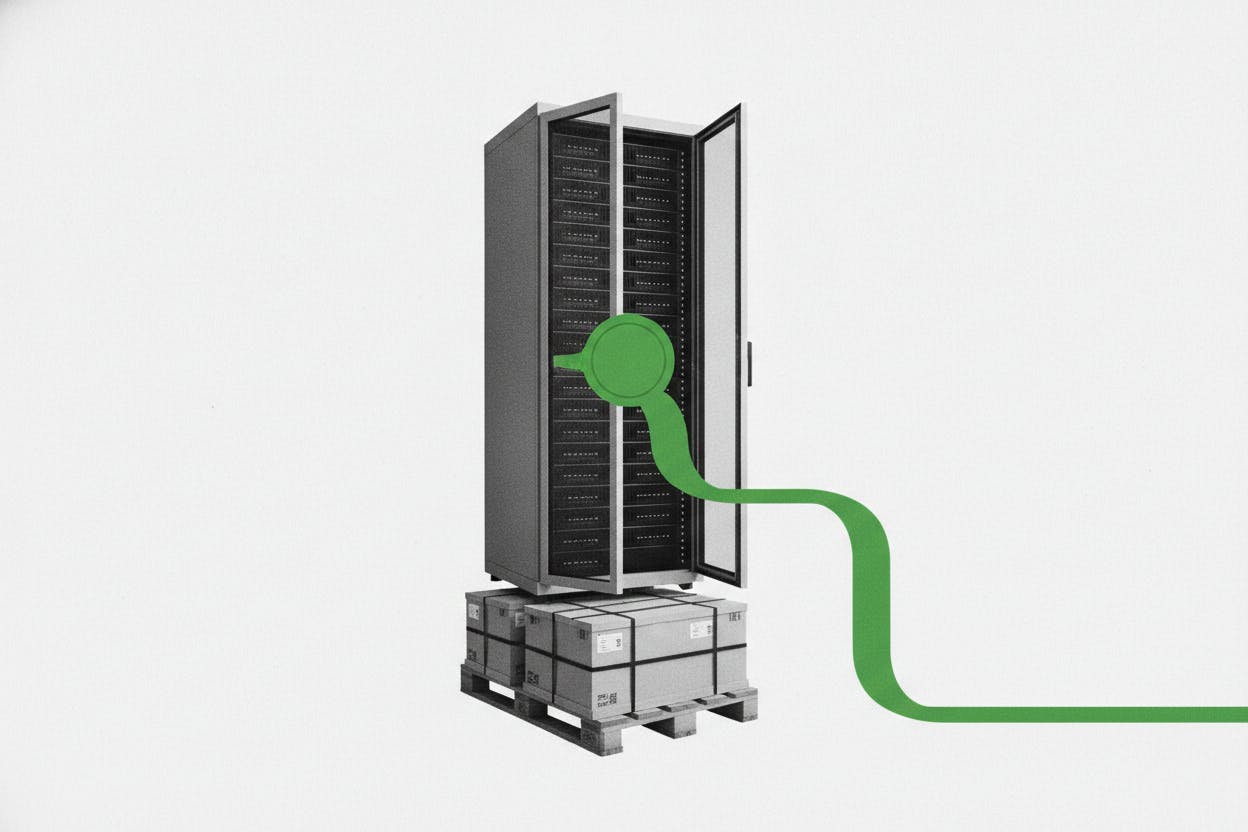
Advanced Micro Devices (AMD) has announced that its second-generation Helios AI servers are now in full production and expected to begin shipping near the end of the third quarter. The news came from CEO Lisa Su during a keynote in San Francisco on Thursday, where she also revealed that OpenAI is planning to deploy these systems at massive scale toward the end of this year.
What Are Helios AI Servers?
Helios represents AMD's latest push into the data-center AI market, a space currently dominated by Nvidia. These racks combine AMD's MI455X AI accelerators with its Venice central processing unit (CPU), both manufactured by Taiwan Semiconductor Manufacturing Company (TSMC). The servers are designed specifically for AI inference—the computing process that occurs when a user asks a chatbot a question and the model generates a response. This is distinct from training, where models learn from vast datasets.
AMD has been working to position itself as a viable alternative to Nvidia in the AI hardware space. The company's earlier unveiling of Helios racks and the Venice CPU highlighted its focus on inference workloads, which are expected to grow rapidly as AI applications become more widespread.
OpenAI's Role and Market Implications
The involvement of OpenAI, the creator of ChatGPT, is a significant endorsement for AMD's technology. OpenAI's plan to deploy Helios servers at massive scale suggests that the company sees value in diversifying its hardware suppliers beyond Nvidia. This could help AMD gain traction in a market where Nvidia currently holds an overwhelming share.
Su described demand for Helios as extremely strong as shipments approach. The timing is critical, as companies across industries are racing to build out AI infrastructure. AMD has also expanded its partnership with Microsoft Azure, with a Helios rackscale solution set for 2026, indicating long-term commitment from major cloud providers.
What It Means for Investors
For everyday investors, this development signals that the AI chip market is becoming more competitive. While Nvidia has been the clear leader, AMD's progress with Helios could chip away at that dominance over time. The fact that a high-profile customer like OpenAI is planning large-scale deployments adds credibility to AMD's technology.
However, investors should note that production and deployment timelines can slip, and the AI hardware market is notoriously fast-moving. AMD's success will depend on whether Helios can deliver performance and cost advantages that convince other major customers to switch or diversify their suppliers.
The broader context is that AI infrastructure spending is expected to remain robust for the foreseeable future. Companies like TSMC, which manufactures AMD's chips, reported a 36% sales surge as the AI boom continues. This suggests that the entire supply chain is benefiting from increased demand, even as individual players jostle for position.
Challenges Ahead
AMD still faces significant hurdles. Nvidia's CUDA software ecosystem remains a powerful lock-in for developers, and the company continues to release new hardware at a rapid pace. AMD's MI455X chips will need to demonstrate competitive performance in real-world deployments to win over skeptical customers.
Additionally, the AI inference market is still evolving. While inference workloads are growing, training remains a larger portion of current AI spending. AMD's focus on inference could be a strategic bet that this segment will expand faster as AI models become more widely deployed.
For now, the news that Helios is in full production and has a major customer lined up is a positive signal for AMD's AI ambitions. Investors will be watching closely for updates on shipping volumes and customer adoption in the coming quarters.