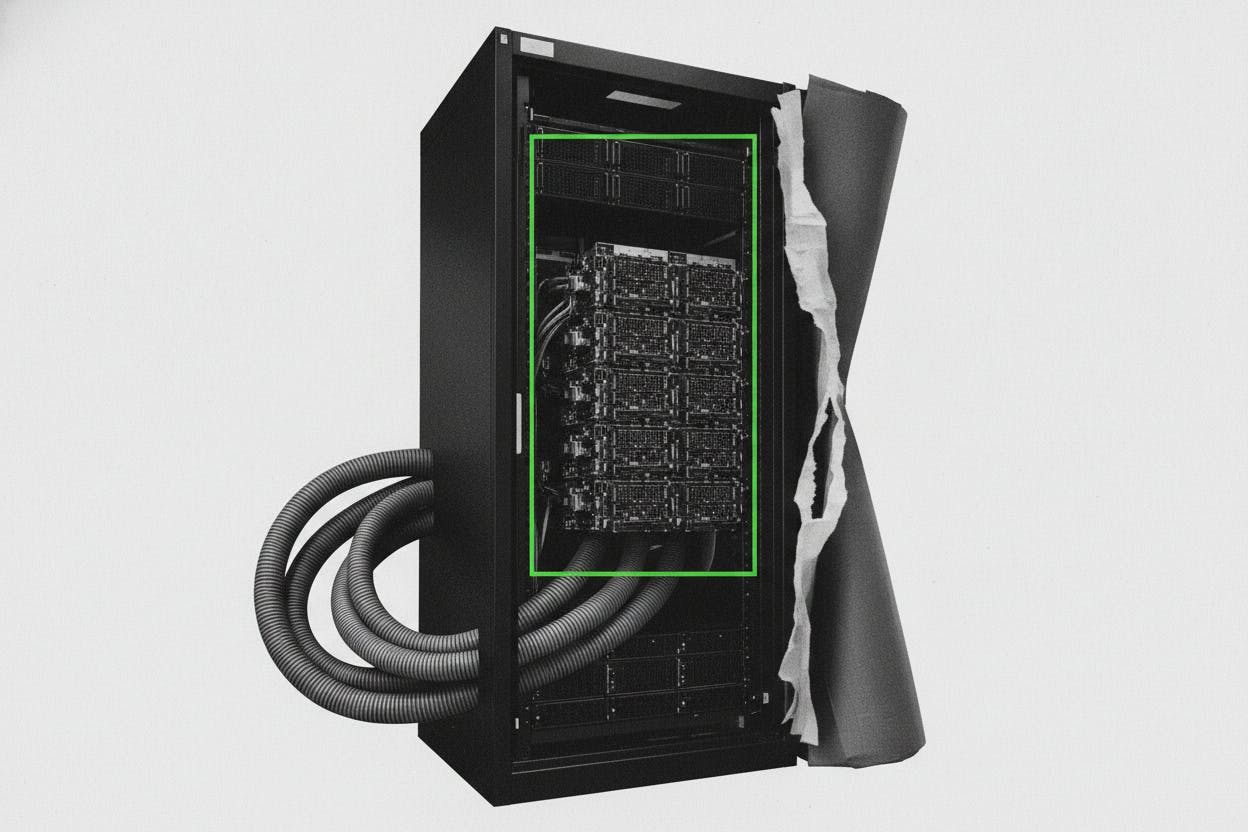
Advanced Micro Devices (AMD) is set to unveil new artificial intelligence data center hardware on Thursday in San Francisco, including its first-generation Helios server racks and a Venice central processing unit (CPU). The move marks the latest escalation in AMD's battle with Nvidia for dominance in the fast-growing AI computing market, particularly in the area of "inference" — the process of running AI models after they have been trained.
What Is Inference and Why Does It Matter?
Inference is the stage where AI models, such as chatbots or image generators, are used in real-world applications. It involves tasks like answering user queries or generating content, and it requires significant computing power, often constrained by electricity, cooling, and the speed at which hardware can be deployed. As AI adoption grows, companies are racing to build infrastructure that can handle inference efficiently, making it a key battleground for chipmakers.
AMD's new Helios racks are designed as a direct alternative to Nvidia's rack systems, which integrate graphics processing units (GPUs) and CPUs into a single, optimized package. Nvidia is already rolling out its second-generation rack design this year, aiming to tighten integration and improve performance. AMD's first-generation Helios racks aim to offer a competitive option for data center operators looking to diversify their hardware suppliers.
AMD's Strategy: Targeting Big Deals
According to Reuters, AMD is targeting inference workloads and pursuing major deals with AI leaders Anthropic and OpenAI. The company has already made significant moves in this direction, including a reported bet of up to $5 billion on Anthropic in an AI server deal worth tens of billions, as covered in our earlier report here. Such partnerships could help AMD gain a foothold in the data center market, where Nvidia currently holds a dominant share.
The Venice CPU, part of AMD's new lineup, is expected to complement its GPU offerings and provide a more complete system for AI workloads. By offering both CPUs and GPUs, AMD aims to compete with Nvidia's integrated approach, which has been a key selling point for data center operators seeking simplicity and performance.
Broader Context: The AI Infrastructure Race
The AI infrastructure market is increasingly becoming a systems race, not just a chip race. Companies like Blackstone have been investing heavily in AI data centers, with deals boosting their earnings and assets hitting $1.35 trillion, as we reported earlier. Similarly, TE Connectivity has seen AI data center orders surge 70%, lifting its outlook, as noted in our coverage here. These trends highlight the massive demand for infrastructure that can support AI workloads, from chips to cooling systems.
However, the rapid expansion of data centers has also sparked public opposition. A recent Redfin survey found that 53% of Americans oppose AI data centers in their neighborhoods, reflecting concerns about energy use, noise, and environmental impact. This tension could influence where and how quickly new facilities are built, potentially affecting hardware demand.
What It Means for Investors
For everyday investors, AMD's push into AI inference hardware represents both an opportunity and a risk. The company is trying to carve out a larger share of a market that is expected to grow exponentially as AI becomes more integrated into daily life. Success in securing deals with major AI players like Anthropic and OpenAI could boost AMD's revenue and stock performance, while failure to gain traction could leave it trailing Nvidia.
Investors should watch for updates on AMD's partnerships and the adoption of its Helios racks and Venice CPU in data centers. The company's ability to deliver competitive performance and reliability will be crucial, as data center operators often prioritize proven technology. Additionally, broader trends in AI infrastructure investment, such as those seen in Blackstone's deals and TE Connectivity's order growth, provide a positive backdrop for AMD's efforts.
That said, competition is fierce. Nvidia's second-generation rack systems and its tight integration of CPUs and GPUs give it a strong advantage. AMD will need to demonstrate that its hardware can match or exceed Nvidia's performance in inference tasks, while also offering cost or efficiency benefits. The outcome of this race will have significant implications for the entire AI ecosystem and for investors with exposure to tech stocks.
In summary, AMD's new hardware launch is a strategic move to challenge Nvidia's dominance in AI inference, a critical and growing segment of the AI market. With major deals on the line and the broader infrastructure boom supporting demand, AMD is positioning itself as a serious contender. Investors should keep an eye on how the market responds to these new products and whether they translate into tangible business wins.