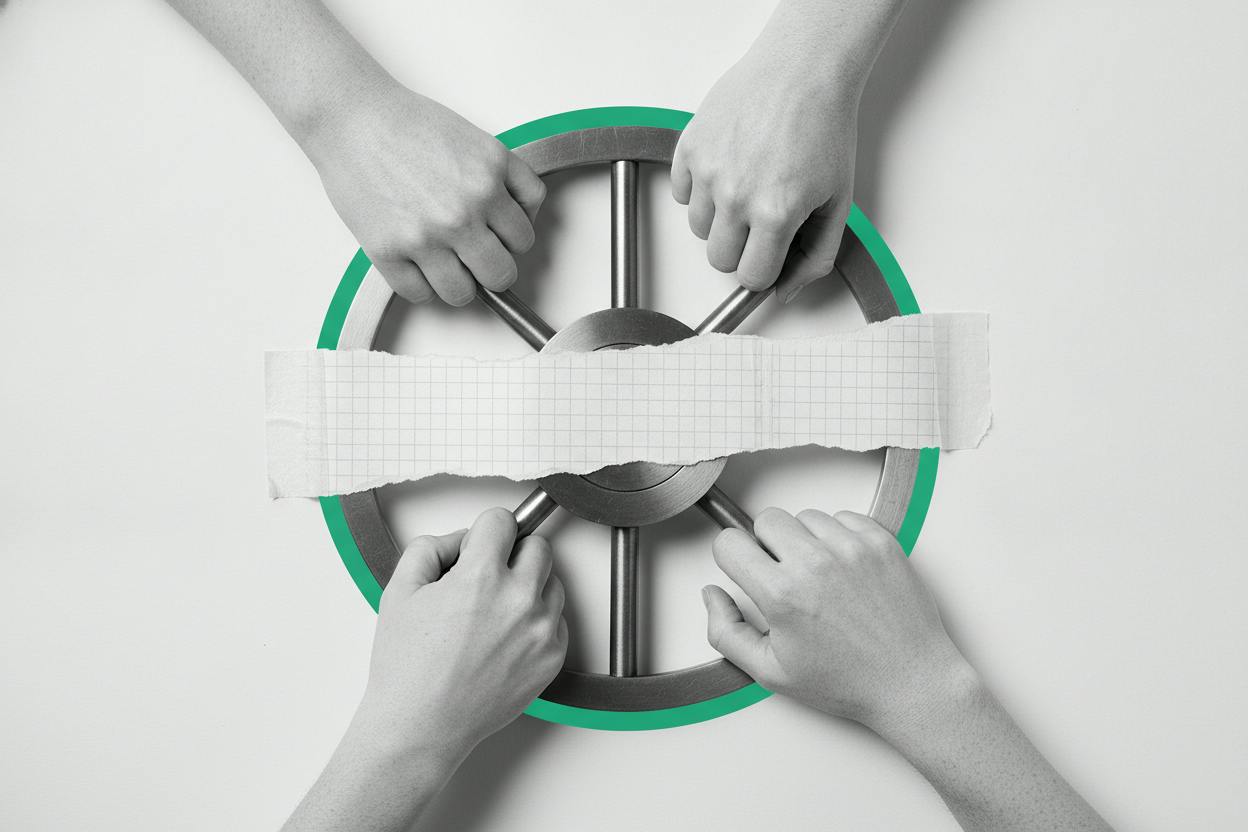
OpenAI has been quietly coordinating with two of its biggest rivals on the question of AI safety, according to a Bloomberg report. The company's policy chief has held weeks of talks with Anthropic and Alphabet's Google DeepMind, and believes the group does not need an antitrust waiver to move forward with their plans.
The discussions signal a rare moment of cooperation among companies that are otherwise locked in a fierce race to build and deploy advanced artificial intelligence. For everyday investors, the news is a reminder that AI's biggest players are increasingly thinking about the risks of their own technology — and that regulators are watching closely.
Why safety talks matter
AI safety refers to efforts to ensure that powerful AI systems behave reliably and don't cause harm, whether through bias, misinformation, or unintended consequences. As models become more capable, concerns have grown among researchers and policymakers about the potential for accidents or misuse.
OpenAI, Anthropic, and Google DeepMind are among the most influential labs in the field. Their willingness to talk about safety is notable because they compete directly for talent, customers, and investor dollars. Yet on safety, they appear to see common ground.
The antitrust angle is key. Normally, competitors coordinating on business strategy could raise red flags under competition law. But OpenAI's policy chief argues that safety coordination is different — and that no formal waiver is needed. That stance could smooth the path for more joint efforts, though it remains to be seen how regulators will view it.
What this means for investors
For investors, the immediate takeaway is that AI safety is no longer a niche academic topic. It has become a boardroom issue with real financial implications. When major labs talk about slowing down or coordinating, it can affect product timelines, spending plans, and even stock prices.
Earlier this year, AI stocks slid after top labs urged a slower rollout of new models, and OpenAI ruled out an IPO. That episode showed how sensitive the market is to safety-related headlines. Similarly, chip stocks in Asia fell on safety warnings, underscoring the global reach of these concerns.
Investors should also watch the competitive dynamics. Anthropic, for example, has been linked to a potential IPO, with reports that Nvidia is weighing a large anchor stake. If safety talks lead to more formal cooperation, it could change how these companies are valued — for better or worse.
The bigger picture
Regulation of AI is still taking shape. Governments in the US, Europe, and elsewhere are debating rules that could require companies to test models before release, disclose risks, or even pause development in certain cases. The fact that leading labs are talking among themselves suggests they want to shape those rules rather than simply react to them.
For the average investor, the key is to understand that AI safety is not just a moral or philosophical issue. It is a market factor. Companies that are seen as responsible may win trust and regulatory favor, while those perceived as reckless could face backlash.
That said, cooperation among rivals is not guaranteed to last. Competitive pressures are intense, and any agreement could fray if one company sees a commercial advantage in moving faster. Investors should treat these talks as a positive signal, but not a guarantee of stability.
What to watch next
In the coming months, watch for any formal announcements from the group, as well as regulatory responses. Also keep an eye on how AI-related stocks react to safety news — volatility has been common. And for those interested in the broader tech landscape, the ongoing Nvidia-Anthropic IPO speculation could be a bellwether for investor sentiment toward AI companies.
Ultimately, this story is about more than a few companies talking. It's about an industry trying to figure out how to manage the risks of its own creation — and how that effort will shape the financial future of AI.