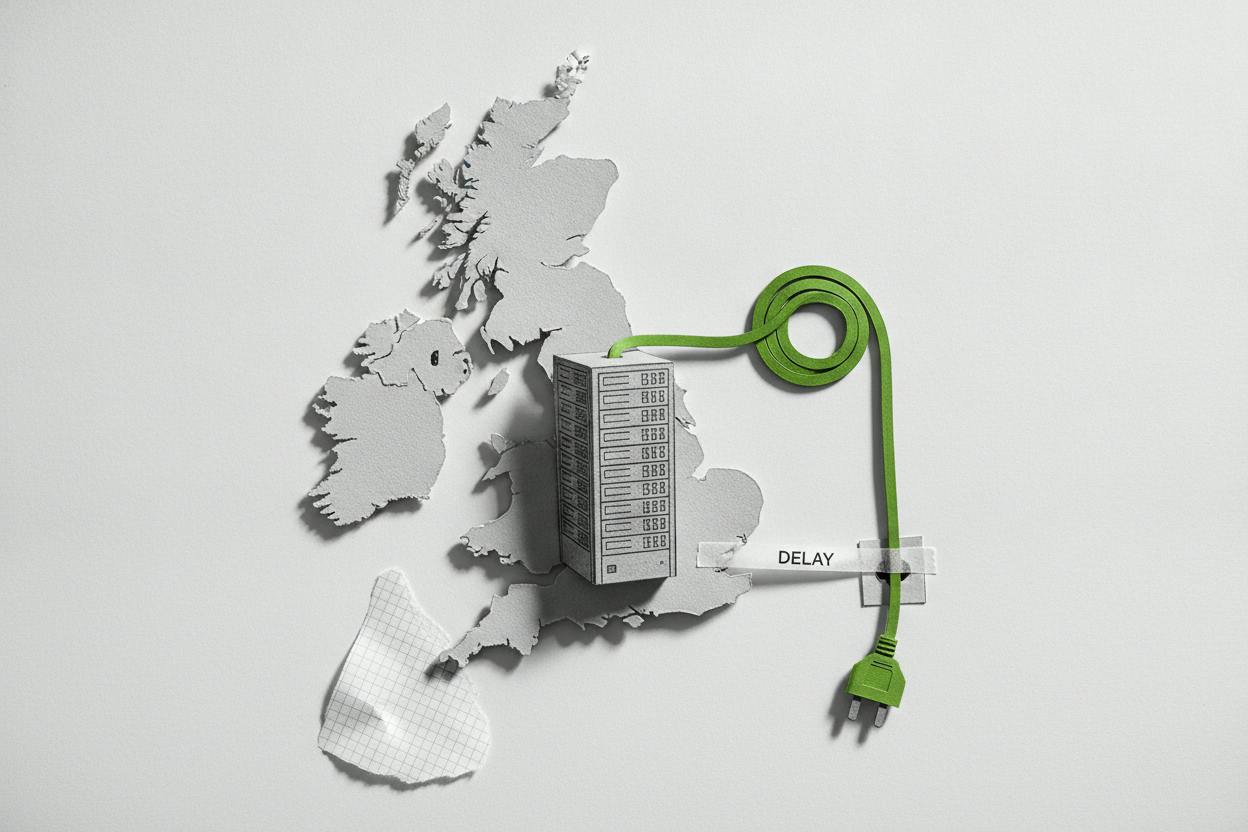
OpenAI's top data center executive, Chris Malone, has left the company, according to a report from The Wall Street Journal. The departure comes at a pivotal moment: OpenAI is reportedly lifting its projected computing spending to about $750 billion through 2030, a figure that underscores the staggering scale of the AI arms race.
Malone joined OpenAI in March 2025, shortly after the company announced Stargate, a massive data center initiative launched with Oracle, a cloud and infrastructure provider, and SoftBank, a Japanese investment firm. His exit last week raises questions about the execution of those plans, even as OpenAI's appetite for computing power shows no signs of slowing.
Why OpenAI needs so much computing power
Training and running advanced AI models requires enormous amounts of computing capacity. Every time OpenAI develops a new model, it needs to process vast datasets through thousands of specialized chips, often for weeks or months at a time. Once those models are deployed to millions of users, they continue to consume computing resources for every query.
The $750 billion figure through 2030 is not a single-year budget but a cumulative projection. It reflects not just the cost of building data centers but also the ongoing expense of powering them, maintaining the hardware, and upgrading as technology evolves. For context, that sum is larger than the annual GDP of many countries, and it highlights how AI companies are betting that the demand for their services will justify enormous upfront investments.
According to the Journal, OpenAI has recently leaned more heavily on agreements with cloud providers rather than building and operating its own facilities. At the same time, it has reportedly brought some infrastructure work back in-house. This mixed approach—partnerships plus internal efforts—is common among tech firms that need to scale quickly without tying up all their capital in physical assets.
What Malone's exit could mean
Chris Malone's departure is notable because he was brought in specifically to oversee OpenAI's data center strategy. His exit could signal friction between the company's ambitious spending plans and the practical challenges of executing them. It might also be a routine leadership change, but given the timing and the scale of the investments involved, investors will be watching closely.
OpenAI has not publicly commented on the departure, and the Journal's report did not specify a reason. In fast-moving tech companies, senior executives often leave for a variety of reasons, from strategic disagreements to personal decisions. However, when a key leader departs during a period of massive capital allocation, it can raise concerns about continuity and execution.
What it means for investors
For everyday investors, the headline number—$750 billion—is a reminder of how much money is flowing into AI infrastructure. That spending is a major driver for a range of companies, from chipmakers like Nvidia to data center operators and power providers. As Nvidia's earnings approach, investors will be looking for signs that this spending wave is translating into revenue.
But the news also highlights the risks. If OpenAI or other AI leaders scale back their plans, the ripple effects could be felt across the tech sector. Conversely, if they follow through, companies that supply the building blocks—chips, cooling systems, power equipment—could see sustained demand. For example, nVent's acquisition of Maverick Power is one of many deals aimed at meeting data center demand.
Investors should also consider the broader context. China's AI spending gap shows that not every player is betting as big as OpenAI, and regulatory scrutiny could affect how these projects unfold. The key takeaway is that AI infrastructure is a massive, fast-moving sector with both opportunities and uncertainties.
For those with money in tech stocks, the departure of a single executive is unlikely to move the needle on its own. But it's a reminder that the companies driving this boom are still figuring out how to manage their explosive growth. As always, diversification and a long-term perspective remain sensible strategies.