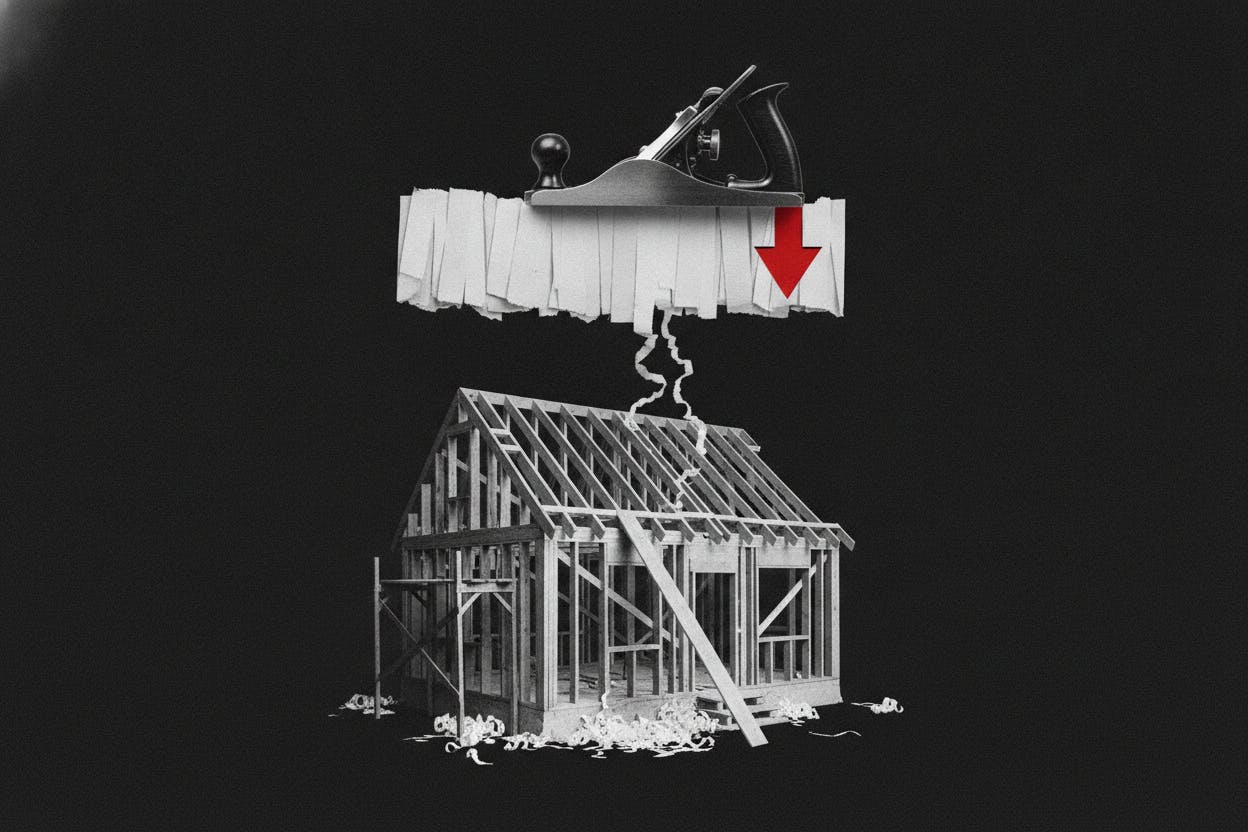
Investors hoping for a clear rebound in home-improvement spending may have to keep waiting. In a research note released Friday, Oppenheimer said it does not expect the upcoming quarterly results from Home Depot and Lowe's to show the "green shoots" that bulls have been looking for. The bank models mostly flat sales growth for both retailers, with softer expectations for interest-rate cuts likely to keep demand subdued.
What the numbers say
Home Depot is scheduled to report its fiscal second-quarter earnings on Aug. 18, followed by Lowe's the next day. Oppenheimer's estimates for Home Depot call for earnings per share of $4.66 and comparable sales flat to up 1%. That is slightly below the consensus from FactSet, which expects $4.73 in EPS and 0.9% same-store sales growth. The bank's view suggests that the recovery in home improvement is not yet underway, and that the next set of results may not provide the positive catalyst some investors are hoping for.
Comparable sales, also known as same-store sales, are a key metric for retailers. They measure sales at stores that have been open for at least a year, stripping out the effect of new store openings and closures. Flat comparable sales mean that a retailer is not gaining meaningful traction with existing customers.
Why the recovery is lagging
The home-improvement sector has been under pressure for more than a year. During the pandemic, homeowners spent heavily on renovations and DIY projects, pulling forward demand that would normally have been spread over several years. Now, that spending has cooled, and higher interest rates have made it more expensive to finance big-ticket projects like kitchen remodels or new decks.
Oppenheimer's note points to softer rate-cut hopes as a key factor. Many investors had expected the Federal Reserve to begin cutting interest rates this year, which would lower borrowing costs and potentially spur more home-improvement spending. But recent economic data, including a drop in U.S. retail sales in July, has muddied the picture. If the Fed keeps rates higher for longer, the cost of financing remains elevated, and that tends to keep a lid on discretionary spending on home projects.
The broader consumer environment is also a headwind. With inflation still above the Fed's target, many households are prioritizing essentials over home upgrades. That is consistent with the recent mixed signals from wholesale and factory sales, which suggest that the economy is slowing but not collapsing.
What it means for investors
For everyday investors, the key takeaway is that the home-improvement trade may not be the place to look for growth in the near term. If Home Depot and Lowe's report flat sales, their stocks could struggle to gain momentum, especially if the market had priced in a stronger recovery.
It is also worth noting that these two companies are often seen as bellwethers for the housing market and consumer spending more broadly. When they report, investors will be watching not just the numbers, but also what management says about the second half of the year. If executives sound cautious, that could weigh on the entire sector.
Oppenheimer's view is not a call to sell or buy these stocks. Rather, it is a reminder that the recovery many hoped for may take longer than expected. For investors with exposure to home-improvement names, it may be wise to temper expectations for the upcoming earnings season.
The bank's note also highlights a broader theme: the consumer is still spending, but more selectively. That is evident in other sectors as well, such as Target's sales recovery gaining traction ahead of its own earnings report. Retailers that offer value or cater to essential needs may fare better than those tied to big-ticket discretionary purchases.
Looking ahead
All eyes will be on Home Depot's and Lowe's earnings calls for any hints about the trajectory of demand. Investors will also be watching for updates on the companies' outlooks for the rest of the year. If the banks' cautious tone is echoed by the companies themselves, it could reinforce the view that the home-improvement recovery is still a story for 2025 rather than 2024.
In the meantime, the broader market will be parsing economic data for clues about the Fed's next move. The softness in retail sales suggests that consumers are feeling the pinch, which could eventually prompt the Fed to act. But for now, Oppenheimer's message is clear: the home-improvement rebound is not here yet.