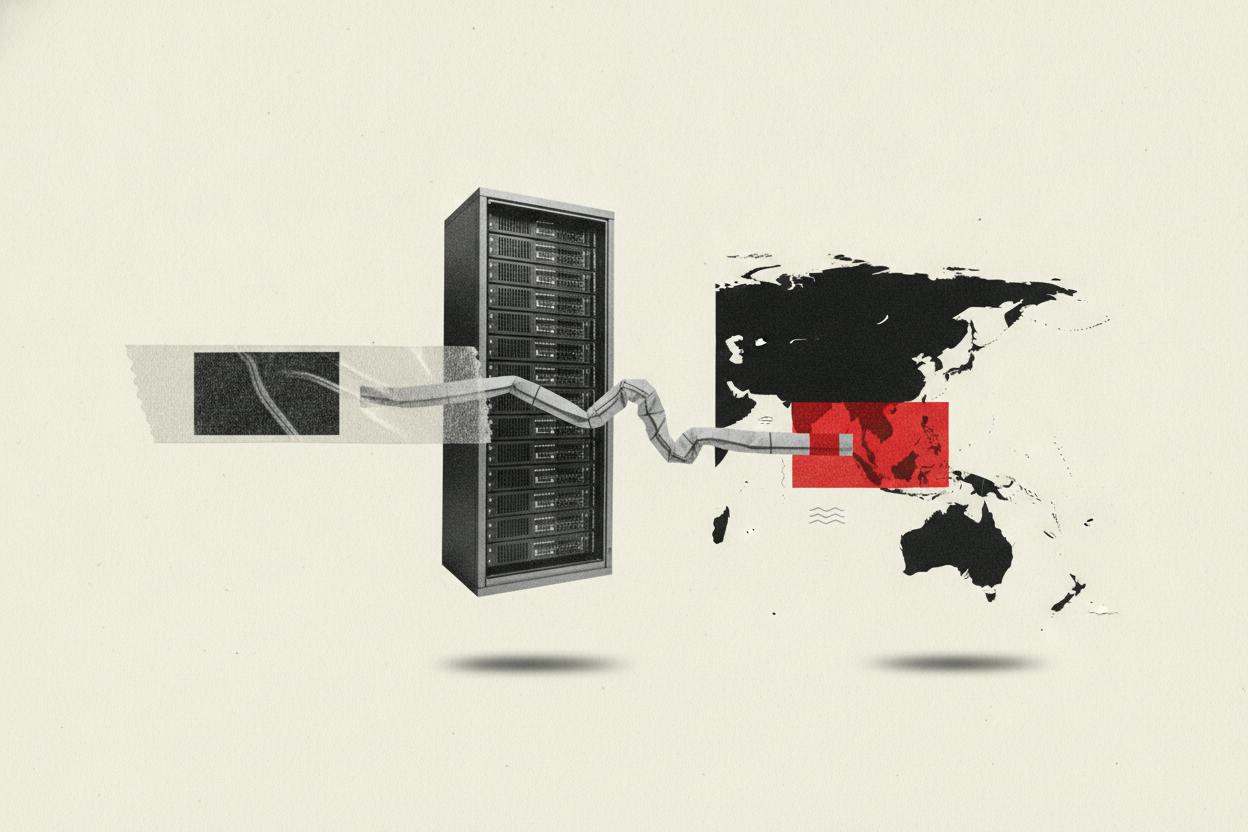
Oracle has reportedly walked away from a $7 billion, five-year agreement to lease 100,000 advanced AI chips to Chinese tech giant Tencent, according to the Financial Times. The deal, which would have used Oracle-linked data centers in Southeast Asia, was dropped after US officials raised concerns about giving Tencent access to high-end computing power without the chips ever entering China.
The report, which cites unnamed sources, said the White House flagged the arrangement as a potential loophole in US export controls. Those controls are designed to limit China's access to leading AI chips and, increasingly, to the computing capacity those chips provide. Oracle, Tencent, and the White House did not immediately respond to requests for comment, the FT said.
Why the deal raised red flags
At its core, the proposed arrangement would have let Tencent tap into powerful AI computing resources hosted outside China. By leasing access rather than buying the hardware, Tencent could have sidestepped restrictions that prevent advanced chips from being sold to Chinese companies. The chips themselves would have stayed in Southeast Asia, but the computing power would have been effectively available to a Chinese firm.
This is a growing concern for regulators. Traditional export controls focus on the physical movement of goods—if a chip can't be shipped to China, it's considered controlled. But as cloud computing becomes more central to AI development, the line between selling hardware and selling access to that hardware has blurred. A company can lease computing power from a data center in another country, and the chip never crosses a border, yet the end user still benefits from its capabilities.
The FT also noted pressure from within China. Officials in Guangdong, Tencent's home province, reportedly asked the company to support domestic chip efforts. That adds a layer of complexity for Tencent, which may face expectations to rely on Chinese-made semiconductors even as it seeks world-class AI performance.
Enforcement shifts from chips to compute
The collapse of this deal is a sign that US policy is moving up the technology stack. Instead of only policing who buys the hardware, regulators are now scrutinizing who gets to use the computing power. That puts cloud providers and data-center operators on the compliance front line.
For companies like Oracle, which has been aggressively building out its AI infrastructure—the firm recently raised $20 billion in shares and bonds to fund its AI buildout—this means tighter customer screening and more careful contract design. Cloud firms may need to verify the ultimate beneficiaries of their services, restrict access by geography, or segment their clusters to keep sensitive clients separate. In practice, that could lead to more deals being redesigned or canceled when the end user is politically sensitive, even if the hardware never moves.
This is not just a US-China issue. Other governments are also watching how AI computing power is distributed. The broader trend is that export controls are expanding from chips to the cloud, and companies that operate data centers are becoming gatekeepers of a strategic resource.
What it means for investors
For everyday investors, this story is a reminder that geopolitics can directly affect the earnings and growth prospects of major tech companies. Oracle's decision to scrap the deal removes a significant revenue opportunity, though it also avoids potential regulatory backlash. Investors in Oracle will be watching how the company balances its AI ambitions with compliance risks.
Tencent, meanwhile, faces a more constrained path to cutting-edge AI. The company may have to rely on domestic chips or seek alternative arrangements, which could slow its AI development relative to global competitors. For investors in Chinese tech, this is a risk factor to consider.
More broadly, the episode highlights a new layer of risk for any company involved in cloud computing or data centers. As governments tighten rules around who can access advanced computing, these firms may face higher compliance costs and more unpredictable deal flow. That could affect margins and growth forecasts across the sector.
For those watching the market, this development also fits into a larger pattern of tech stocks reacting to policy shifts. Financial stocks have already been sensitive to political headlines, and tech is no different. The key takeaway is that AI is not just a technology story—it's a geopolitical one, and investors need to factor that into their expectations.
As the FT report suggests, the enforcement focus is shifting from "who buys the hardware" to "who can use the compute." That means cloud providers and data-center operators are now at the center of the compliance debate. For investors, understanding this shift is essential to assessing the risks and opportunities in the AI supply chain.