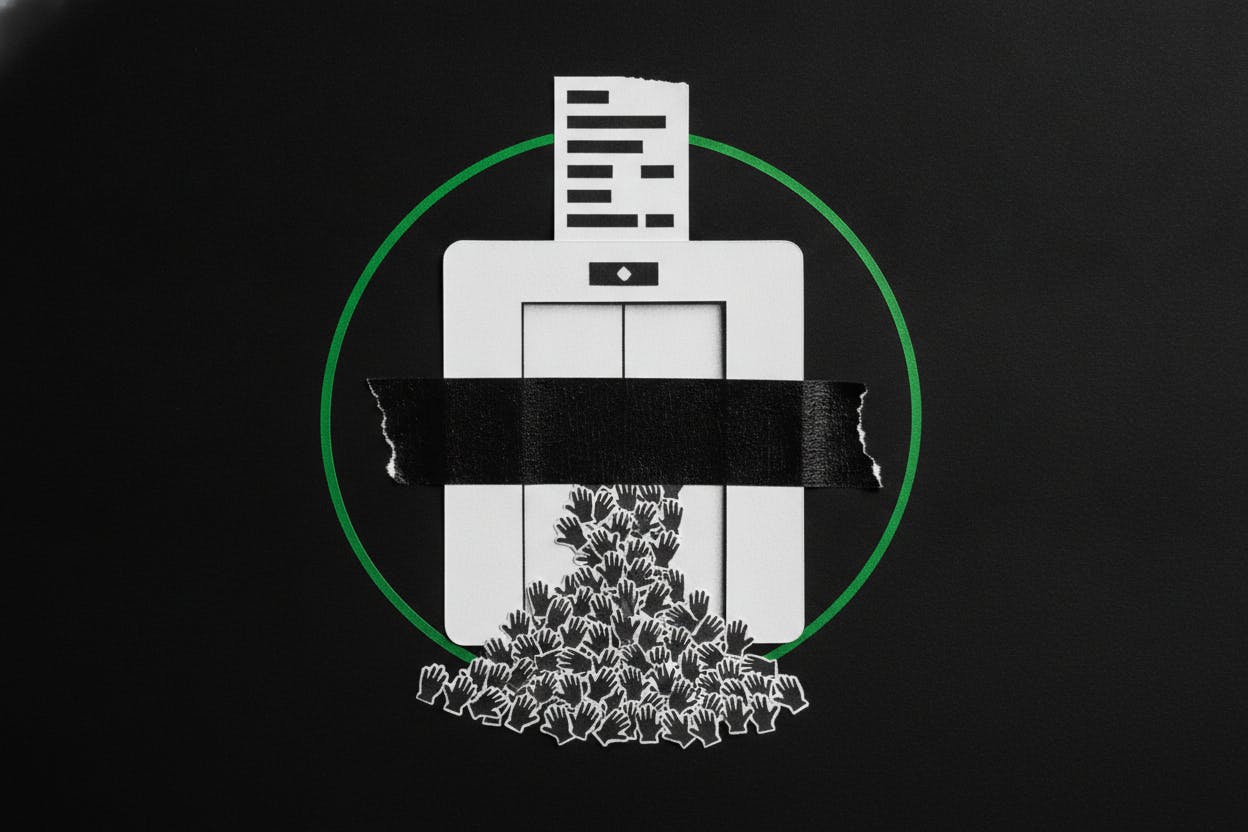
Otis Worldwide, the global elevator and escalator manufacturer, has trimmed its full-year adjusted profit forecast after warning that a $50 million push to strengthen its service operations is driving up labor and productivity costs. The move comes even as demand for repairs and modernization—the company's more stable revenue stream—holds up well.
What's happening with Otis?
Otis, which makes, installs, and maintains elevators, escalators, and moving walkways, now expects lower adjusted earnings per share for the full year. The company cited the $50 million in additional spending on hiring and training field technicians, as well as investments in productivity tools and processes. These costs are hitting the bottom line in the short term, even though the service business itself remains healthy.
Service is a key part of Otis's strategy. Unlike selling new equipment—which can be lumpy and tied to construction cycles—repairs, maintenance, and modernization contracts provide recurring revenue. That makes the service side more predictable and often more profitable over time. But scaling it up requires upfront spending on people and systems.
Why the timing gap matters
When a company like Otis invests heavily in its service workforce, the costs show up immediately. Hiring more technicians, putting them through training, and improving field operations all eat into profits in the near term. The payoff—higher efficiency, better customer retention, and the ability to reprice contracts—takes longer to materialize.
This timing gap is a common challenge for industrial companies shifting toward services. It can frustrate investors who focus on quarterly earnings, but it often lays the groundwork for stronger, more sustainable growth later. Otis's management is essentially betting that the $50 million outlay will lead to a more efficient and profitable service operation down the road.
The company's decision to cut its profit forecast suggests that these costs are larger or coming sooner than expected. Still, the fact that service demand remains solid is a positive sign. It means customers are still willing to pay for repairs and upgrades, which supports the logic of the investment.
What it means for investors
For everyday investors, this news highlights a tension that often plays out in industrial stocks: investing for the future can hurt today's profits. Otis is choosing to spend now to build a stronger service business, which could pay off in higher margins and more stable earnings over the next few years.
But in the short term, lower profit forecasts can weigh on the stock price. Investors will be watching to see whether the service investment starts to generate returns in the coming quarters. If it does, the current profit cut could be seen as a temporary setback. If not, questions about cost control and execution may linger.
It's also worth noting that Otis is not alone in facing higher labor costs. Across the industrial sector, companies are grappling with a tight labor market and rising wages. Teledyne recently raised its profit forecast on strong defense demand, but many others are feeling the pinch from higher input costs.
The broader economic backdrop matters too. If the economy slows, building maintenance budgets could get squeezed, potentially affecting Otis's service revenue. But for now, demand for repairs and modernization is holding up, which provides some cushion.
Looking ahead
Otis's next earnings report will be closely watched for signs that the service investment is starting to pay off. Key metrics to track include service margins, technician productivity, and contract renewal rates. If those improve, the $50 million bet will look smart. If not, the profit cut could be a warning of more pressure to come.
For investors, the takeaway is that Otis is making a deliberate choice to prioritize long-term service growth over short-term profit. That can be a sound strategy, but it requires patience. As always, it's important to look beyond a single quarter's numbers and understand the bigger picture.
In the meantime, the company's core business—keeping elevators and escalators running safely and efficiently—remains essential. That demand isn't going away, even if the path to higher profits has a few more bumps than expected.