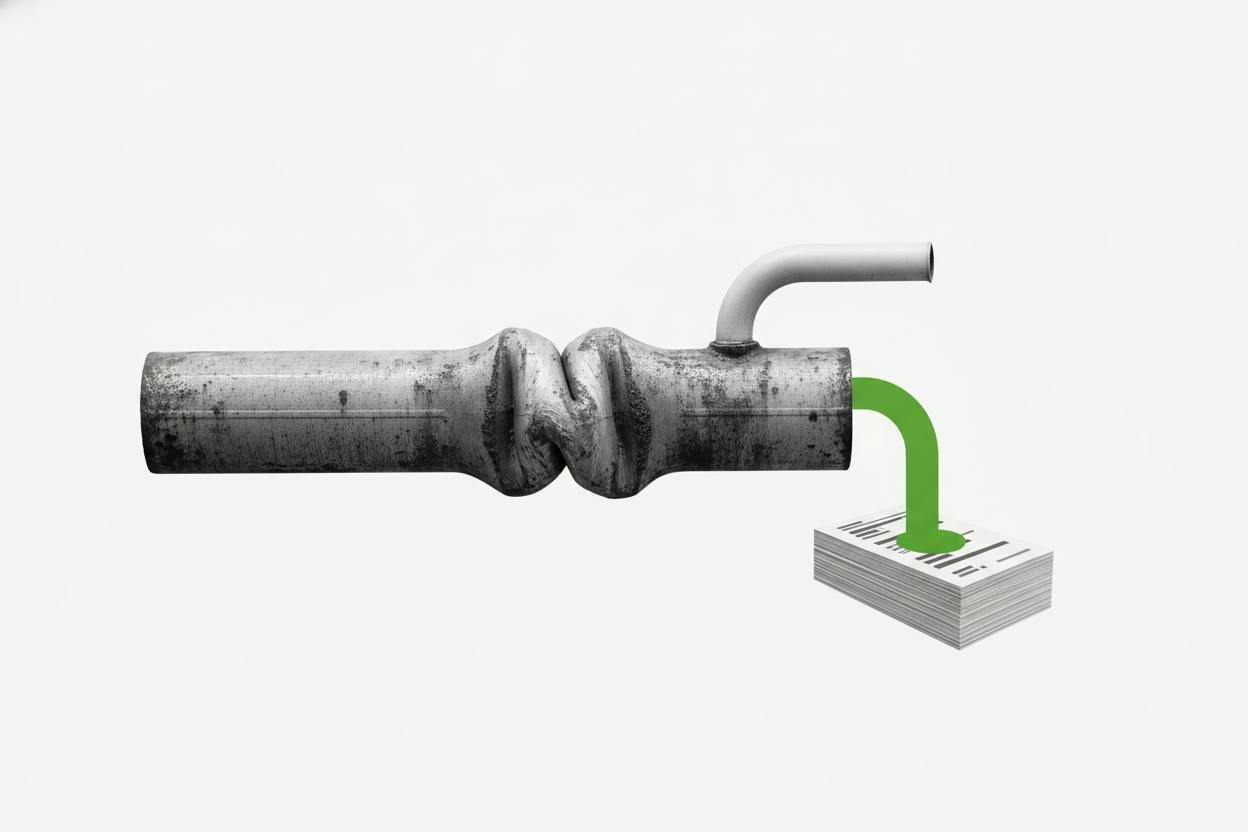
Ovintiv, the Denver-based oil and gas producer, is set to report third-quarter results on Nov. 3, and Wall Street is bracing for a mixed picture. While the company faces a pipeline bottleneck in Canada that is expected to curb volumes, analysts at UBS believe strong well performance in the Permian Basin and firmer oil and gas prices should cushion the blow.
What's behind the Montney bottleneck?
Ovintiv has significant operations in the Montney formation, a shale play in western Canada known for its rich natural gas and condensate output. But the region has been grappling with takeaway capacity constraints—essentially, there isn't enough pipeline space to move all the gas and liquids to market. This has forced producers to slow some activity or accept lower realized prices.
For Ovintiv, that means third-quarter production volumes are likely to come in below earlier expectations. However, UBS analysts argue that the company's US assets, particularly in the Permian Basin of Texas and New Mexico, are performing strongly. The Permian is the most prolific oil field in the US, and Ovintiv has been focusing its capital there in recent years.
“We expect strong Permian wells to offset some of the softness from the Montney,” the UBS note said, pointing to better-than-expected well productivity and efficiency gains.
Prices provide a tailwind
Beyond well performance, commodity prices have been a supportive factor. Oil prices have firmed in recent weeks, and natural gas prices, while volatile, have been higher than the lows seen earlier in the year. For a producer like Ovintiv, even a modest improvement in realized prices can have a meaningful impact on cash flow and earnings.
UBS's optimism is also reflected in its broader view on the sector. The bank recently lifted its forecasts for other producers, including Permian Resources, citing stronger output and pricing. Similarly, BP's outlook has been boosted by a stronger gas trading environment, underscoring that firmer energy prices are helping the whole industry.
Still, the Montney issue is a reminder that not all production is created equal. Pipeline constraints can persist for quarters, and companies often have to manage expectations around volumes even when the macro environment is favorable.
What to watch in the Nov. 3 report
Investors will be looking at several key metrics when Ovintiv reports:
- Production volumes: How much did the Montney bottleneck actually reduce output? Did the Permian make up the difference?
- Realized prices: Did the firming in oil and gas prices translate into better per-barrel and per-Mcf realizations?
- Capital spending: Is Ovintiv staying within its budget, and are there any changes to full-year guidance?
- Shareholder returns: Ovintiv has been returning cash to shareholders through buybacks and dividends. Any update on that front will be closely watched.
The company has been working to reduce debt and improve its balance sheet, and a solid quarter could support those efforts. But the market will also be listening for any commentary on how long the Montney constraints might last.
What it means for investors
For everyday investors, Ovintiv's report is a case study in how company-specific issues can intersect with broader market trends. The Permian strength and firmer prices are positive, but the Canadian bottleneck is a reminder that operational hiccups can weigh on results even when the macro backdrop is supportive.
Energy stocks have been volatile this year, with natural gas prices swinging on weather and demand forecasts. As recent moves in natural gas show, sentiment can shift quickly. For Ovintiv, the key is whether it can deliver on its promises despite the headwinds.
Analysts will be updating their models after the print, and the stock's reaction will depend on how results compare to expectations. If Ovintiv beats on earnings per share, even with lower volumes, the market may look past the bottleneck. If it misses, the Montney issue could take center stage.
As always, it's important to remember that past performance is not a guarantee of future results. Energy investing carries unique risks, including commodity price swings and operational challenges. A single quarter's results are just one data point in a longer story.
For now, UBS's view is cautiously optimistic, and investors will be hoping that the strong Permian wells and firmer prices can indeed keep the quarter on track.