PACCAR, the company behind premium truck brands Kenworth, Peterbilt, and DAF, reported second-quarter results that topped analyst expectations, driven by steady demand for its heavy-duty trucks and a growing parts and service business.
The Bellevue, Washington-based manufacturer posted earnings that beat estimates as parts revenue rose 1.5% to $1.75 billion, underscoring the importance of aftermarket services in an uneven freight market.
Replacement demand keeps production humming
The freight market has been patchy, with some carriers pulling back on new orders amid softer shipping demand. But PACCAR benefited from a steady stream of replacement purchases as fleets upgraded older trucks to newer models that offer better fuel efficiency and lower maintenance costs.
Deliveries dipped slightly to 38,700 trucks in the quarter, down from 39,300 a year earlier. That small decline reflects the cautious mood among some operators, but the fact that production remained near year-ago levels shows that demand for premium trucks still has legs.
PACCAR's focus on higher-margin, premium vehicles has helped it weather the cycle better than some rivals. Kenworth and Peterbilt are known for their durable, custom-built trucks that command a price premium, and that positioning appears to be paying off as fleets prioritize quality over volume.
Parts and service: the quiet growth engine
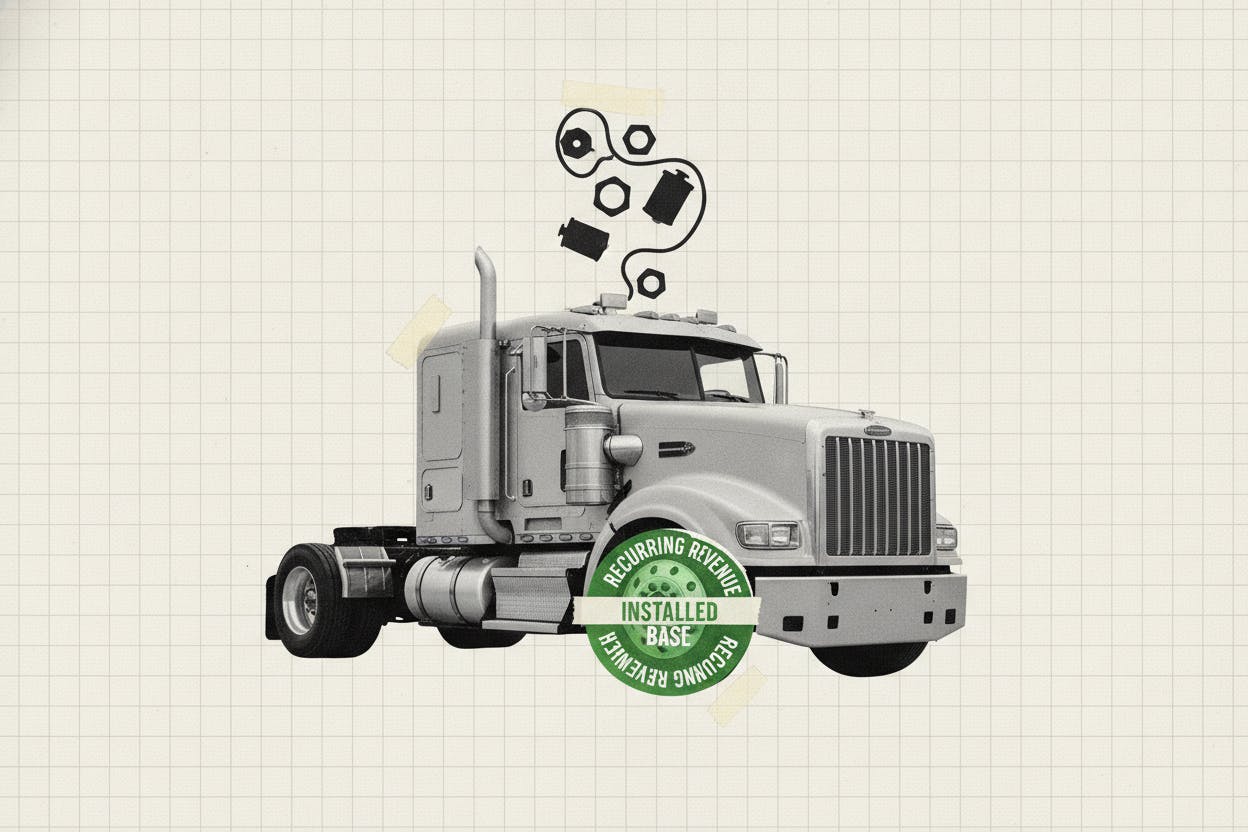
The bigger story in the quarter was the less-glamorous side of PACCAR's business: parts and service. Revenue from replacement parts, repairs, and maintenance rose to $1.75 billion, a 1.5% increase from a year earlier. That might not sound like much, but for a company that sells big-ticket trucks, the parts business provides a steady, recurring revenue stream that is less tied to the ups and downs of new truck orders.
As trucks on the road age, they need more parts and service. PACCAR's extensive dealer network and its own PACCAR Parts division capture that demand. The company has been investing in its parts distribution centers and digital tools to make it easier for fleets to order parts online, which should support continued growth in this segment.
This mirrors a trend seen across industrial companies: aftermarket services often provide higher margins and more predictable revenue than the initial sale. For example, Safran recently raised its profit forecast as spare parts demand boosted its margins to a record high, showing how service revenue can be a powerful profit driver.
What it means for investors
For everyday investors, PACCAR's results offer a few takeaways. First, the company's ability to beat estimates in a mixed freight environment suggests its premium brand strategy is working. Fleets that need to replace aging trucks are willing to pay up for quality, especially when fuel savings and reliability can offset the higher upfront cost.
Second, the growing parts business provides a buffer against cyclical downturns. Even if new truck orders slow, PACCAR can still generate solid revenue from servicing the millions of trucks already on the road. That makes the stock less volatile than pure-play truck manufacturers.
Third, the broader economic backdrop matters. The freight market is closely tied to consumer spending and industrial activity. If the economy slows further, truck orders could weaken. But PACCAR's strong balance sheet and dividend history — it has paid a dividend for over 80 years — give it a cushion.
Investors should also watch for updates on PACCAR's electric and autonomous truck initiatives, which could open new growth avenues over the long term. For now, the company is proving that premium truck demand still has plenty of mileage left.