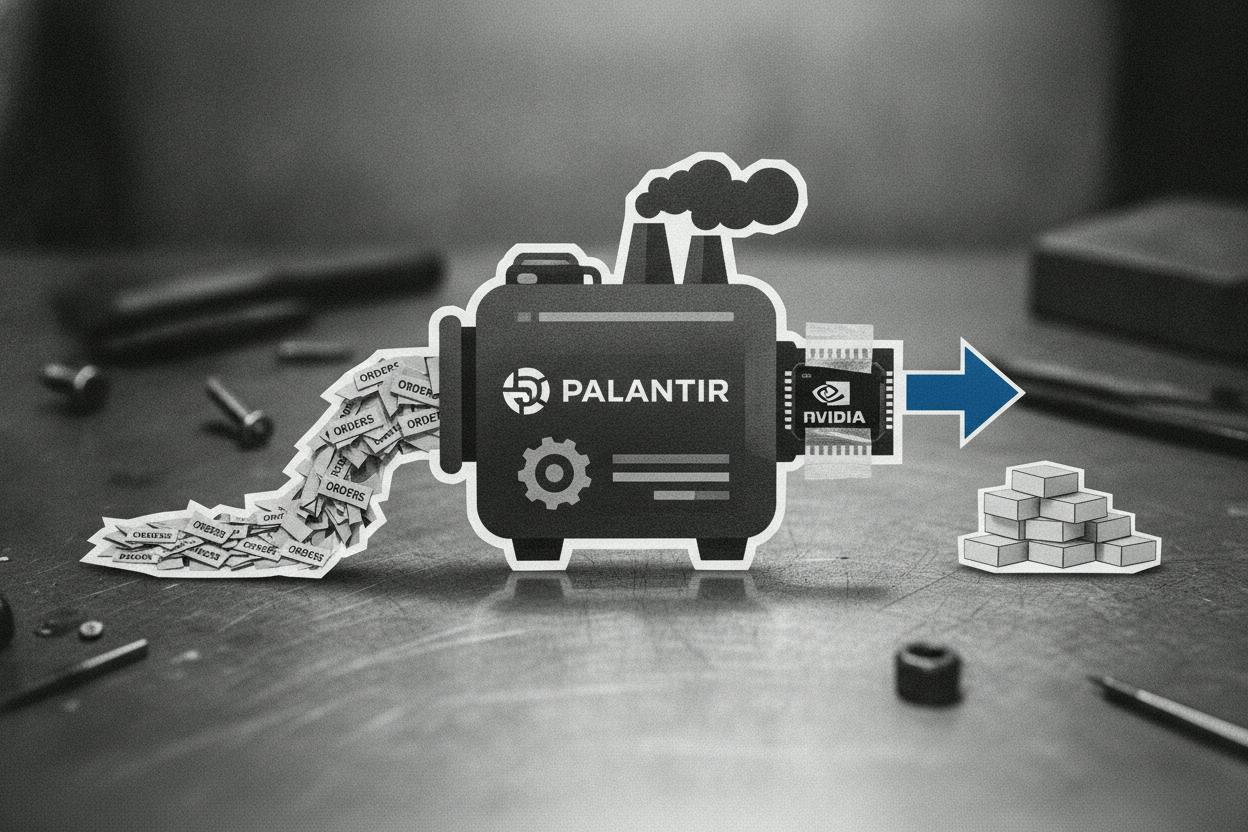
Palantir Technologies is facing a good problem: demand for its software is growing faster than the company can deploy it. That's the takeaway from UBS Securities, which attended a recent Palantir customer event and came away with a clearer picture of how the company's AI tools are being adopted.
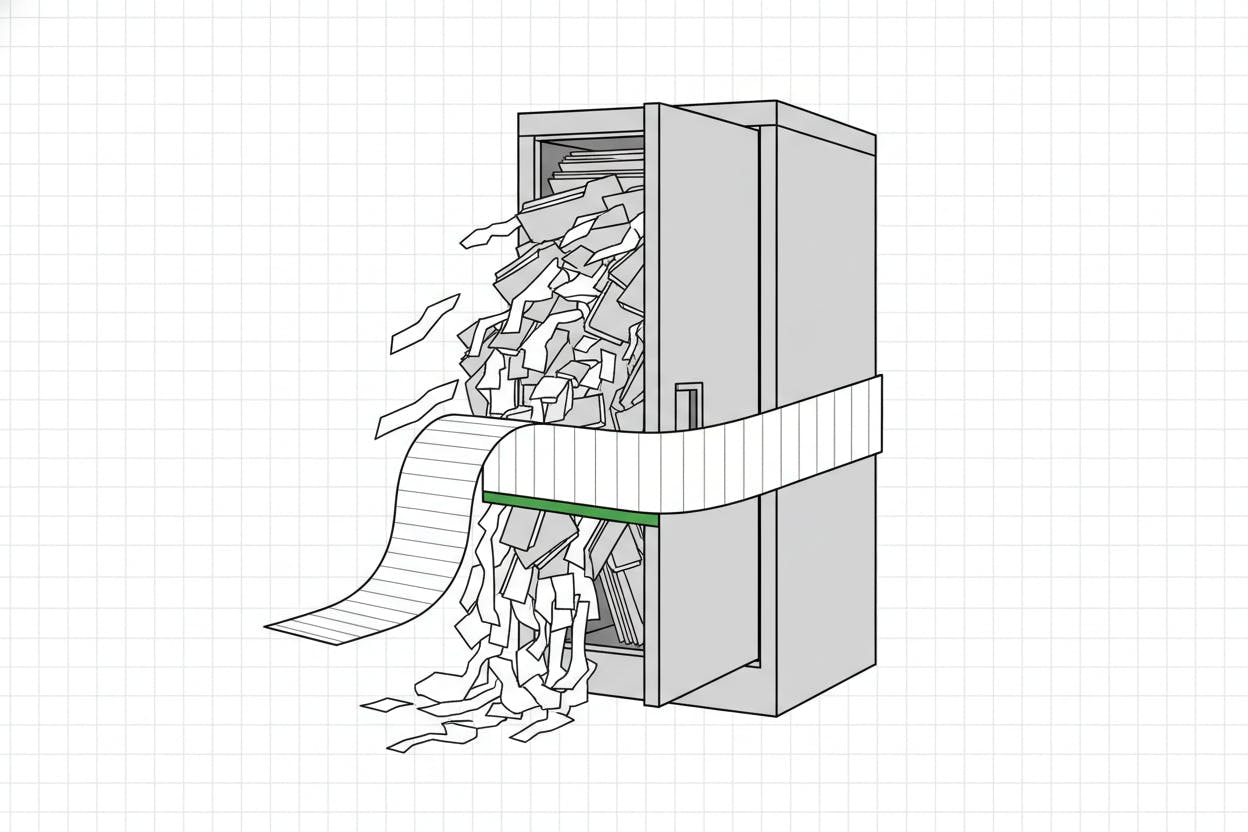
According to UBS, the narrative around Palantir is shifting from "cool AI demos" to "getting AI to function inside real companies." This transition matters because integrating new software into existing corporate systems is rarely plug-and-play. It requires time, personnel, and ongoing support, which can slow the pace at which signed contracts translate into recognized revenue.
From demos to deployment
Palantir, known for its data analytics platforms used by government agencies and large enterprises, has been pushing its AI capabilities aggressively. The company's flagship product, the Artificial Intelligence Platform (AIP), is designed to help organizations use large language models and other AI tools on their own data. But as UBS notes, the real challenge lies in making these tools work within the messy, complex IT environments that most large companies operate.
This is where the concept of "capacity" comes in. Palantir's ability to onboard new customers and expand existing relationships depends on its professional services team, which helps clients integrate the software. If demand outstrips that capacity, revenue growth could be lumpy, even as the underlying demand signal remains strong.
UBS also highlighted a deepening partnership with Nvidia, the chipmaker whose GPUs are the backbone of much of the AI boom. The collaboration suggests Palantir's software is being optimized to run on Nvidia's hardware, which could make it easier for customers to deploy AI at scale. This is a positive signal for Palantir's long-term positioning in the enterprise AI market.
What it means for investors
For everyday investors, this news is a reminder that AI adoption is still in its early innings. While the hype around AI has driven valuations across the tech sector, the real test is whether companies can actually implement these tools and see tangible benefits. Palantir's situation illustrates the gap between signing a deal and delivering value.
If Palantir can scale its deployment capacity, the demand it's seeing could translate into sustained revenue growth. But if rollout bottlenecks persist, investors may see slower-than-expected revenue recognition, which could weigh on the stock in the near term. UBS's comments suggest the company is navigating this transition, but it's not without friction.
For context, Palantir's stock has been a standout performer in the AI trade, but it's also been volatile. The company's valuation is high, and any sign of execution issues can trigger sharp selloffs. Investors should watch for updates on customer onboarding, professional services headcount, and any commentary from management about deployment capacity.
The broader AI infrastructure story remains intact, as seen in related developments like ASML's high-end chip tools selling out and Temporal's big funding round for AI reliability. But the ability to turn AI potential into real-world business outcomes is what will separate winners from losers.
UBS's note also echoes themes from Palantir's recent AIPCon event, where the company emphasized data sovereignty and on-premise deployments. That focus on security and control is likely to appeal to large enterprises, but it also adds complexity to the deployment process.
In the end, Palantir's challenge is a sign of success: customers want more of its software. The question is whether the company can deliver it fast enough to keep up with that demand. For investors, the key metric to watch will be how quickly the company can convert its pipeline into revenue, and whether its partnership with Nvidia helps accelerate that process.