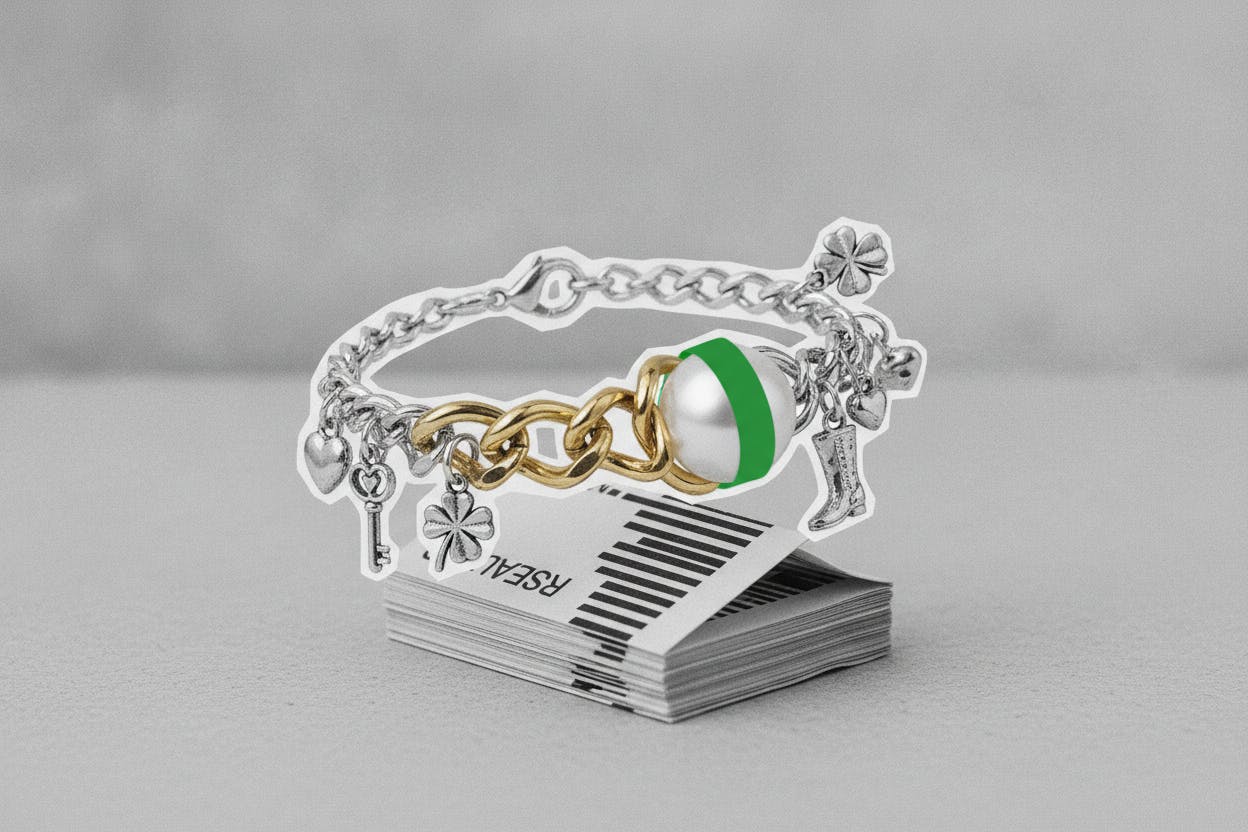
Pandora, the Danish jewelry maker best known for its silver charm bracelets, said its newer gold- and pearl-focused designs are resonating with shoppers even as overall consumer sentiment remains shaky. The company also raised its profit outlook for 2026, citing refunds of US tariffs as a tailwind.
The update signals that Pandora's strategy to move beyond its traditional silver charm business is gaining traction. New CEO Berta de Pablos-Barbier, who took the helm earlier this year, has pushed for a broader mix of metals and fresher designs. Early results suggest the bet is paying off.
What the numbers show
Pandora reported second-quarter organic growth of 3%, beating the 2% that analysts had penciled in. Organic growth strips out the effects of currency swings and store openings or closures, giving a cleaner read on underlying demand.
The beat is notable because it comes against a backdrop of cautious consumer spending, particularly in the US, where higher interest rates and lingering inflation have made shoppers more selective about discretionary purchases. Jewelry is often seen as a luxury item, so resilience here is a positive sign for the brand.
The company credited its new collections, which feature more gold and pearls, for driving the uptick. These higher-priced items appeal to customers looking for something different from the classic charm bracelet, and they also carry better margins.
Tariff refunds and the 2026 outlook
Pandora also lifted its profit forecast for 2026, helped by refunds of tariffs imposed on US imports. The company had been paying duties on goods brought into the US, but a recent ruling or administrative decision allowed it to reclaim those payments. The refund provides a one-time boost to earnings, though the company did not specify the exact amount.
This is a reminder that trade policy can have a direct impact on corporate profits, even for companies that don't make headlines for their supply chains. For investors, it's worth watching how tariff disputes evolve, as they can create both headwinds and windfalls.
What it means for investors
For everyday investors, Pandora's update offers a few takeaways. First, it shows that a well-executed product strategy can help a company weather soft consumer demand. By expanding beyond its core silver charms, Pandora is reducing its reliance on a single product line and appealing to a wider range of tastes and budgets.
Second, the tariff refund highlights how external factors—like government trade decisions—can move a company's bottom line. While these are often unpredictable, they can provide unexpected boosts to earnings.
Finally, the better-than-expected growth suggests that Pandora's brand remains strong, even in a challenging retail environment. That said, the company still faces risks: consumer confidence could weaken further, and competition in the affordable luxury space is intense.
Pandora's experience is part of a broader trend in retail, where companies are trying to adapt to shifting consumer preferences. For example, ice cream makers are pushing protein and smaller portions as GLP-1 drugs reshape demand, showing how even established categories are evolving.
Investors should also keep an eye on how Pandora's new strategy plays out over the coming quarters. The company is investing in marketing and store experiences to support the new collections, and those costs could weigh on margins in the short term. But if the designs continue to sell well, the payoff could be substantial.
In the meantime, Pandora's update is a bright spot in a mixed earnings season. Other companies have struggled with cautious consumers, but Pandora's ability to grow despite that mood is a sign that product innovation can still drive sales.
As always, it's important to remember that past performance isn't a guarantee of future results. Pandora's stock could be volatile, and the jewelry market is cyclical. But for now, the company's new direction appears to be working.