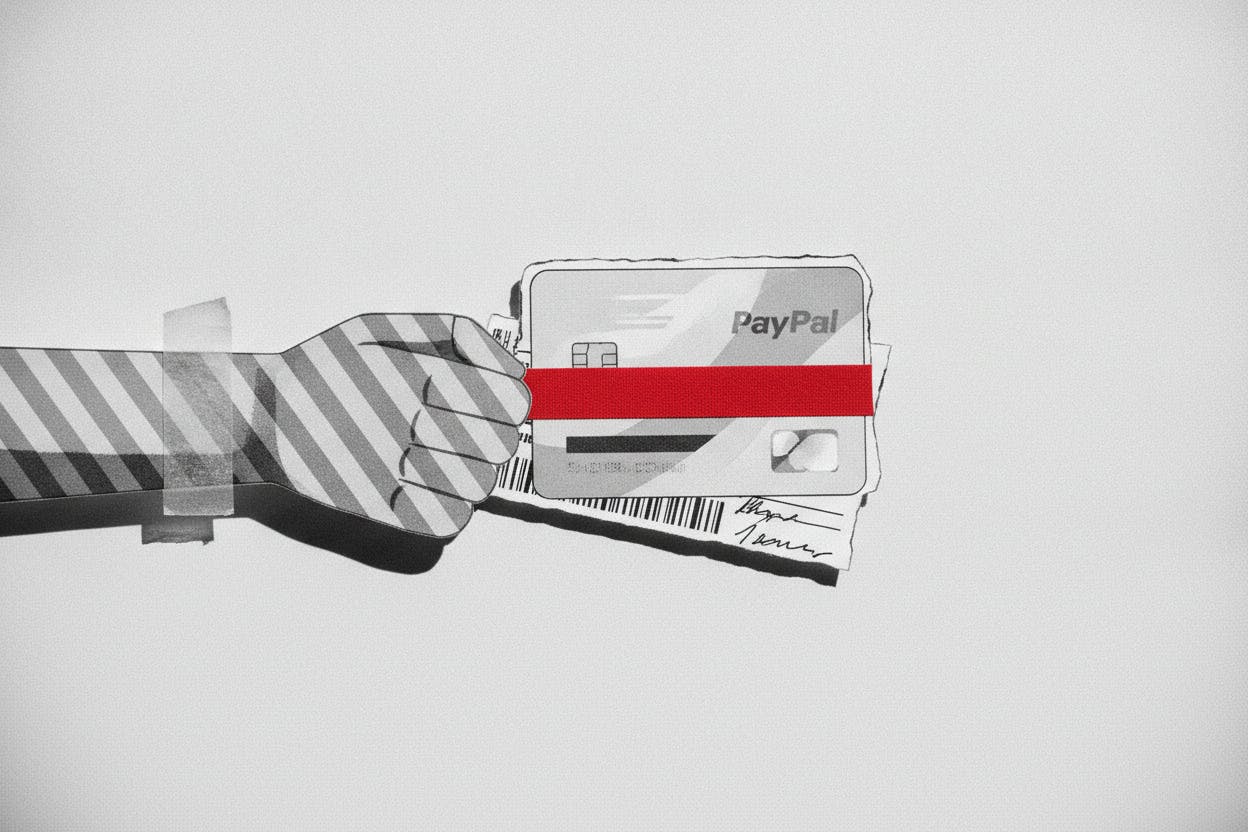
PayPal Holdings Inc. is pushing back against a $53 billion takeover approach from payments rival Stripe and private equity firm Advent International, with the company's board signaling that the $60.50-per-share offer undervalues the business. Directors are also raising concerns about the financing structure and the lengthy regulatory approvals that would be required to close any deal.
The news, first reported by sources familiar with the matter, sent PayPal shares up about 2% to $56.73 on Tuesday, suggesting investors see some upside potential but remain cautious about the bid's prospects. The stock has traded well below its 2021 highs of over $300 as the company has struggled to reignite growth.
What's in the Offer?
Stripe, the privately held payments giant valued at roughly $65 billion in its last funding round, has teamed up with Advent International, a major private equity firm, to propose a cash-and-stock deal worth $60.50 per PayPal share. That price represents a modest premium over PayPal's recent trading levels but falls short of the $70-plus range some analysts had speculated a buyer might need to pay.
PayPal's board is weighing the bid against the company's own turnaround strategy, which includes cost-cutting measures, a renewed focus on its Venmo app, and efforts to expand into higher-margin areas like buy now, pay later (BNPL) services. Directors believe the offer does not fully capture the potential of these initiatives or the value of PayPal's massive user base of over 400 million active accounts.
Financing details remain murky. Stripe and Advent would likely need to raise significant debt and equity to fund the acquisition, a process that could be complicated by rising interest rates and tighter credit markets. Regulatory hurdles are another major question mark: a deal combining two of the largest U.S. payment processors would face intense scrutiny from antitrust authorities in the U.S. and Europe, potentially dragging on for months or years.
Why PayPal Is Under Pressure
PayPal has been navigating a challenging environment as competition from Apple Pay and Google Pay erodes its dominance in online checkout. The company's revenue growth has slowed from double-digit percentages to single digits, and its profit margins have been squeezed by higher operating costs and investments in new products.
In response, PayPal has launched a cost-cutting program that includes layoffs and office closures, while also rolling out features like Venmo's business profiles and PayPal's own BNPL offering. The company reported better-than-expected earnings in its most recent quarter, but investors remain skeptical about whether these efforts can restore the growth trajectory that once made PayPal a Wall Street darling.
The bid from Stripe and Advent comes at a time when M&A activity in the tech sector is picking up, with companies like Uber and others pursuing large deals. However, the regulatory environment has become more hostile to big tech acquisitions, as seen in the blocked mergers of Nvidia-Arm and Microsoft-Activision Blizzard.
What It Means for Investors
For everyday investors, the key takeaway is that PayPal's board is playing hardball, signaling that they believe the company is worth more than $60.50 per share. This could lead to one of several outcomes: Stripe and Advent could raise their bid, another suitor could emerge, or the deal could fall apart entirely.
If the bid fails, PayPal shares could retreat to pre-offer levels, which were around $55. But if a higher offer materializes, the stock could rally further. Investors should also consider the risk that regulatory opposition could kill any deal, leaving PayPal to fend for itself in a competitive market.
The broader context is that PayPal is a mature company in a mature industry, and its growth prospects are more limited than they were a few years ago. The bid from Stripe and Advent reflects a belief that the company's assets—its brand, user base, and technology—are still valuable, but the board's rejection suggests they think the price is too low.
Investors should watch for any updates on the bid, including whether other parties like foreign investors or larger tech firms show interest. The situation is fluid, and the outcome will depend on how much Stripe and Advent are willing to pay and how quickly regulators can act.
For now, PayPal's stock is trading at a discount to the offer price, indicating that the market is pricing in a significant chance that the deal won't go through at the current terms. That gap could narrow or widen depending on how the negotiations unfold.