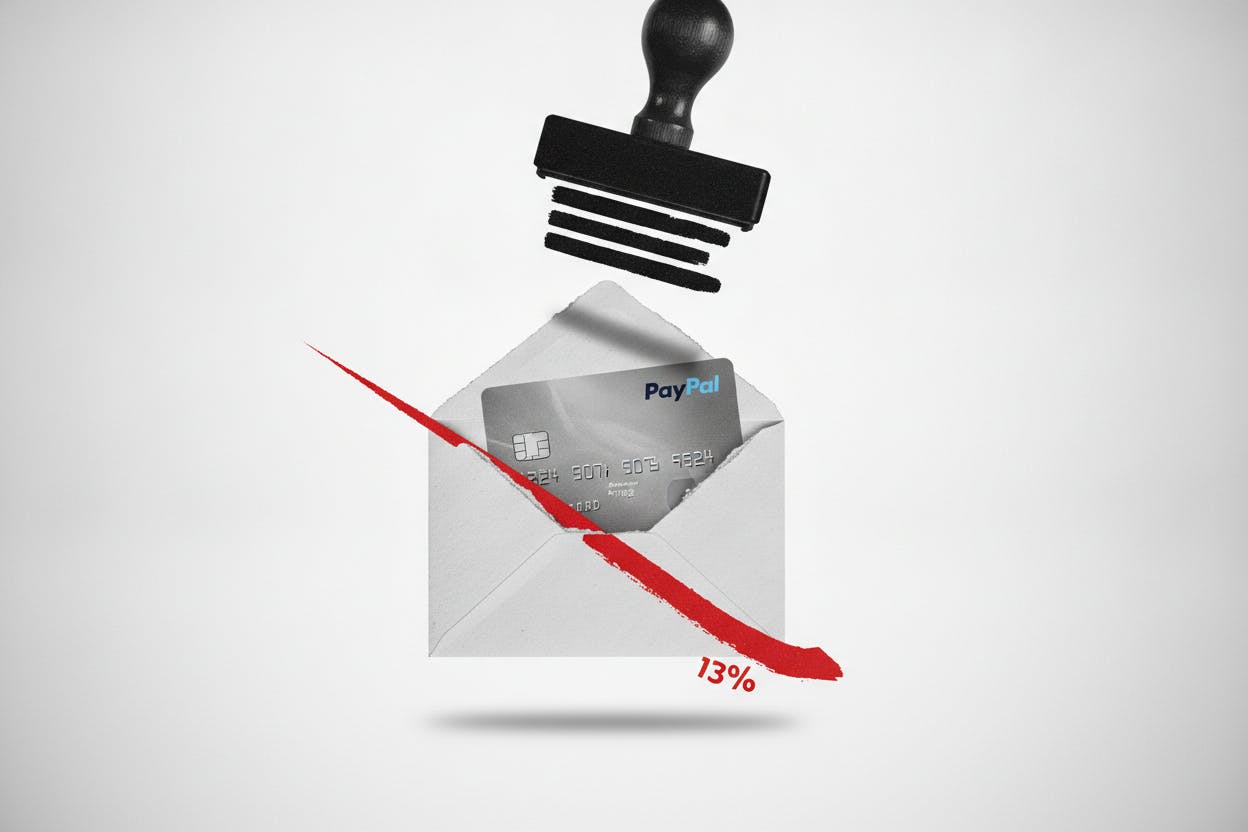
PayPal shares fell 13% on Friday after reports that buyout firm Advent International and payments company Stripe had walked away from a potential takeover of the payments giant. The talks, which reportedly centered on a $60.50-per-share offer, collapsed over disagreements on valuation and the complexity of regulatory approval.
What happened
According to reports, Advent and Stripe had been in discussions to acquire PayPal, a deal that would have been one of the largest leveraged buyouts in recent years. The proposed price of $60.50 per share represented a premium to PayPal's trading price before the talks became public, but it was apparently not enough to satisfy PayPal's board.
The two sides also struggled with the regulatory hurdles that such a massive transaction would face. A deal combining Stripe, a fast-growing payments processor, with PayPal, the long-established leader in online payments, would likely have drawn intense scrutiny from antitrust regulators in multiple jurisdictions. The complexity of unwinding or restructuring such a combination may have ultimately made the deal impractical.
Why it matters
For PayPal, the collapse of the buyout talks removes a potential catalyst that had been supporting the stock. Investors who had bought shares hoping for a quick premium from a takeover are now left holding a company that must deliver growth on its own. The 13% drop reflects that disappointment.
PayPal has been under pressure for years as competition from rivals like Apple Pay, Block's Cash App, and newer fintech players intensifies. The company's growth has slowed from its pandemic-era boom, and its valuation has fallen accordingly. The $60.50 offer, while above the recent trading price, was still well below where PayPal shares traded in 2021, when they peaked above $300.
For Stripe, walking away may be a relief. The company, which is privately held and valued at around $70 billion, could have faced years of regulatory battles and integration challenges. Stripe has been focused on expanding its own merchant services and has shown interest in going public, though no IPO has been confirmed. The chatter around tech IPOs has been building, and Stripe may prefer to pursue its own path rather than take on the burden of absorbing a giant like PayPal.
What it means for investors
For everyday investors, the key takeaway is that buyout speculation is risky. When a deal falls apart, the stock often drops back to where it was before the talks were revealed, and sometimes lower. PayPal's 13% slide is a classic example of that dynamic.
Investors who bought PayPal shares purely on hopes of a takeover are now facing a reality check. The company's fundamentals—its revenue growth, profit margins, and competitive position—are what will drive the stock from here. PayPal still processes a huge volume of payments and generates significant cash flow, but it faces stiff competition and must prove it can reignite growth.
Regulatory risk is also worth noting. Even if a deal had been reached, it would have faced a long and uncertain approval process. In recent years, regulators have been more aggressive in challenging large tech and financial deals. The board's rejection of the offer suggests that PayPal's leadership believes the company is worth more than $60.50 a share, but the market may disagree.
Looking ahead
PayPal's management will now have to convince investors that the company can grow without a buyout. The company has been working on new initiatives, such as expanding its branded checkout and improving its merchant services, but progress has been slow. The next earnings report will be closely watched for signs of improvement.
For Stripe, the focus shifts back to its own business. The company has been expanding its payments infrastructure and has been linked to a potential IPO. If Stripe does go public, it could provide a fresh opportunity for investors to gain exposure to the payments sector, but it would also face the same competitive pressures that have weighed on PayPal.
In the broader market, the news adds to a cautious tone among investors who are already watching central bank signals for clues about interest rates. Higher rates tend to hurt growth stocks like PayPal, as they reduce the present value of future earnings. The collapse of the deal removes a potential floor under the stock, leaving it more exposed to these macro forces.
For now, PayPal investors are left with a company that is profitable and still dominant in online payments, but one that faces an uncertain path to renewed growth. The buyout saga is over, and the stock will have to stand on its own merits.