A coalition of Indian payments apps, including Paytm, CRED, and Flipkart's Super.money, has warned the National Payments Corporation of India (NPCI) that a proposed feature to save a customer's default UPI option for one-click checkout could lock in the market-leading positions of Google Pay and PhonePe. The pushback highlights the intensifying battle for the checkout screen in India's booming digital payments ecosystem.
What's at Stake?
The Unified Payments Interface (UPI) has become India's everyday money rail, processing more than 227 billion transactions worth over 28 trillion rupees in June alone, according to NPCI data. As UPI usage has exploded, the competition has shifted from the underlying infrastructure to the user interface—specifically, which app appears as the default payment option when a customer checks out online or at a merchant.
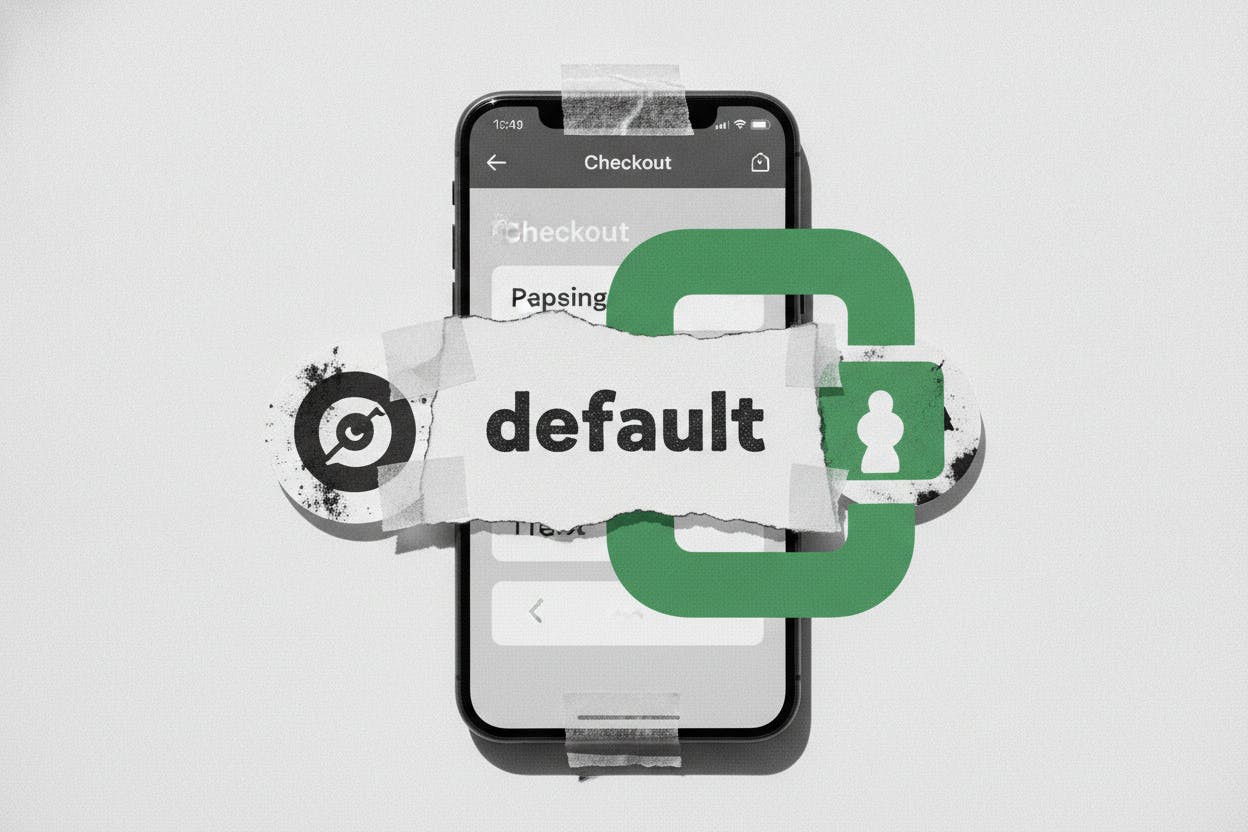
Currently, when a customer initiates a UPI payment, they are often presented with a list of apps to choose from. The proposed change would allow merchants to save a customer's preferred UPI app as a default, enabling a one-click checkout experience. While this could improve convenience, smaller players argue it would entrench the market leaders.
The Dominance of Google Pay and PhonePe
Google Pay and PhonePe together control roughly 85% of UPI transaction volume by value, according to industry estimates. Their deep integration with Android smartphones and aggressive merchant onboarding have given them a formidable head start. A default option, critics say, would make it even harder for users to switch to alternative apps, effectively locking in the current market structure.
In a letter to NPCI, the coalition argued that saving a default UPI option would violate the spirit of interoperability that has made UPI successful. They called for a more level playing field, suggesting that any default feature should be optional for users and not tied to a single app.
What This Means for Investors
For investors in Indian fintech, the outcome of this regulatory tussle could have significant implications. If NPCI sides with the smaller players, it could slow the momentum of Google Pay and PhonePe, potentially opening the door for challengers like Paytm, CRED, and Super.money to gain market share. Conversely, if the default option is implemented, it could further entrench the incumbents, making it harder for new entrants to compete.
Paytm, which has been struggling to regain its footing after regulatory setbacks, sees this as a critical moment. The company has been investing heavily in its payments business and recently reported a narrowing of losses. CRED, known for its credit card management app, has been expanding into UPI payments and sees the default option as a threat to its growth ambitions. Flipkart's Super.money, a relatively new entrant, is also betting on UPI to drive customer engagement.
The broader context is that India's digital payments market is still growing rapidly, with UPI transactions expected to double over the next three years. The battle for the checkout screen is therefore a battle for the future of consumer finance in India.
Regulatory Tightrope
NPCI, which operates under the Reserve Bank of India, has historically favored policies that promote competition and interoperability. However, it also faces pressure to improve user experience and reduce friction in payments. The one-click checkout proposal is part of a broader push to make UPI more seamless, but it risks creating a winner-take-all dynamic.
The coalition's warning comes at a time when Indian regulators are increasingly scrutinizing market concentration in digital payments. The RBI has already imposed a 30% market share cap on UPI apps, though the deadline for compliance has been extended multiple times. Google Pay and PhonePe have been working to stay under the cap, but a default option could make it harder to enforce.
What to Watch Next
Investors should watch for NPCI's response to the coalition's concerns. A decision could come in the next few months. Also worth monitoring is whether the RBI or the government steps in to address the competitive dynamics. Any regulatory action that levels the playing field could benefit smaller players like Paytm, CRED, and Super.money, while a hands-off approach would likely favor the incumbents.
In the meantime, the battle for the checkout screen is likely to intensify, with all players ramping up marketing and merchant partnerships. For everyday investors, the key takeaway is that the regulatory environment remains a wildcard in India's fintech story. Companies that can navigate these uncertainties while building strong user engagement will be best positioned to capture the next wave of growth.