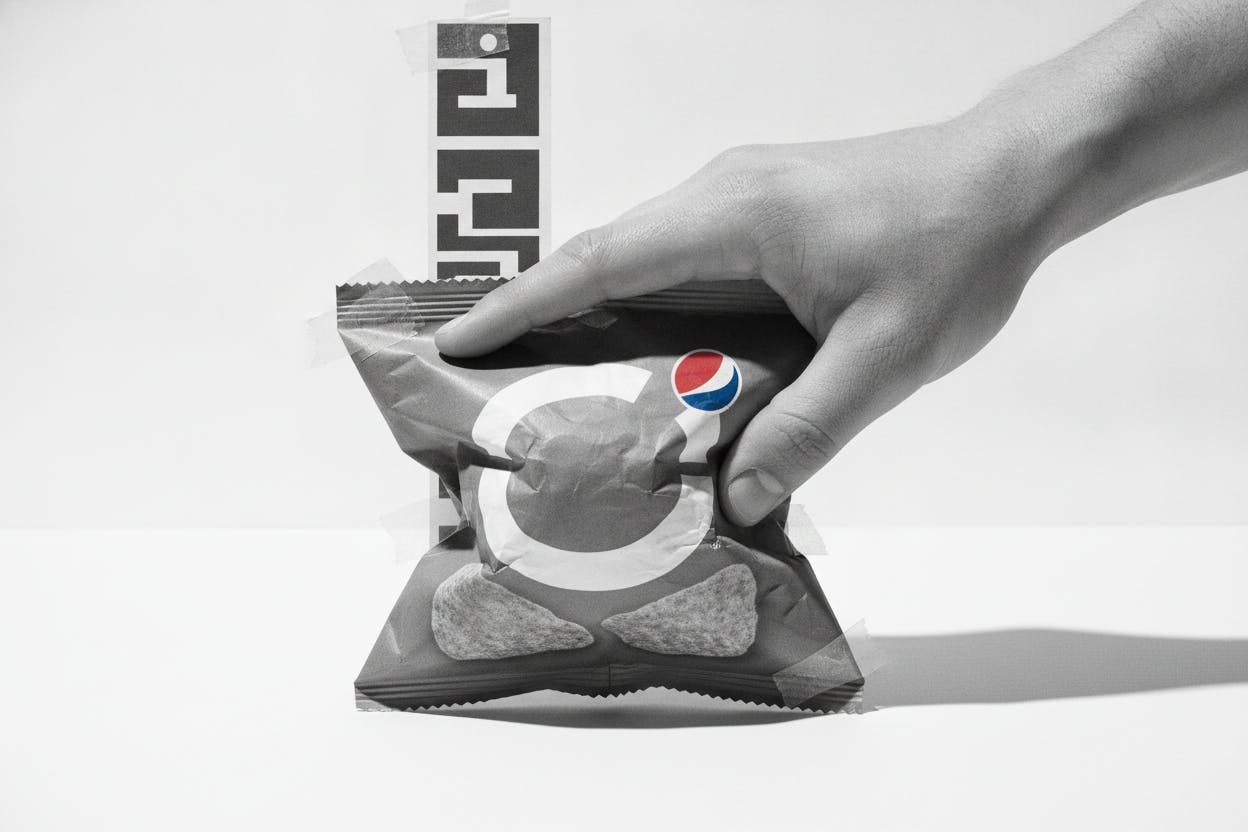
PepsiCo delivered a better-than-expected second-quarter revenue report on Thursday, but the snack-and-beverage giant also signaled that its North American business is cooling as consumers tighten their budgets. The company said it is responding with more promotions and price cuts on key snack brands, including Lay's and Doritos.
Revenue Beat, but North America Softens
Revenue rose 6.4% to $24.18 billion, beating analysts' consensus estimate of $23.95 billion, according to LSEG data. Core earnings per share increased to $2.20 from $2.12 a year earlier. The results were driven partly by resilient demand for zero-sugar sodas in some international markets, but management highlighted a clear slowdown in North America.
PepsiCo's Frito-Lay division, which accounts for a significant portion of the company's North American snack sales, saw organic sales growth decelerate. The company flagged that household budgets are under pressure, leading shoppers to trade down or buy less. In response, PepsiCo has stepped up promotional activity and cut prices on some of its most popular snack items.
What's Driving the Shift?
The pullback in North America reflects a broader trend among consumer goods companies: after two years of elevated inflation, many households are now feeling the pinch. Higher costs for rent, groceries, and fuel have left less room for discretionary spending, including snacks and beverages. PepsiCo is not alone in facing this headwind; competitors like Coca-Cola and Kraft Heinz have also noted cautious consumer behavior in recent earnings calls.
PepsiCo's price cuts on Lay's and Doritos are a direct response to this shift. By lowering prices, the company hopes to maintain volume and market share, even if it means sacrificing some profit margin in the short term. The strategy is common in the consumer packaged goods industry when demand softens, but it can weigh on overall profitability if sustained for too long.
What It Means for Investors
For everyday investors, PepsiCo's results offer a mixed picture. The revenue beat shows that the company's global diversification and strong brand portfolio can still deliver growth, especially in international markets. However, the weakness in North America is a reminder that even the biggest consumer staples companies are not immune to economic cycles.
Investors should watch for further commentary on consumer spending trends in PepsiCo's upcoming earnings calls. If the slowdown deepens, the company may need to cut prices more aggressively or reduce its full-year guidance. On the other hand, if inflation eases and household budgets improve, PepsiCo could see a rebound in North American snack sales.
PepsiCo's stock has historically been a defensive holding, offering steady dividends and relatively stable earnings. But the current environment means that even defensive stocks face headwinds. For context, other companies like Levi Strauss have also seen mixed reactions to earnings, with shares slipping despite raising forecasts, as investors weigh consumer health.
Broader Market Context
The consumer staples sector has been under pressure this year as investors rotate into growth and technology stocks. PepsiCo's results come amid a broader backdrop of slowing global growth and persistent inflation in some regions. The company's ability to beat revenue forecasts is a positive sign, but the North American softness could weigh on sentiment.
In the beverage segment, PepsiCo's zero-sugar sodas have been a bright spot, benefiting from health-conscious consumers. However, the snack business remains the larger profit driver, and its performance will be key to the company's overall outlook.
Looking ahead, analysts will focus on whether PepsiCo can maintain its margins while cutting prices. The company's strong balance sheet and cash flow provide a cushion, but investors should be prepared for potentially slower earnings growth in the near term.
For those tracking the broader market, PepsiCo's report also offers clues about the health of the U.S. consumer. If other consumer companies report similar trends, it could signal a broader slowdown in spending, which would have implications for the economy and stock market.