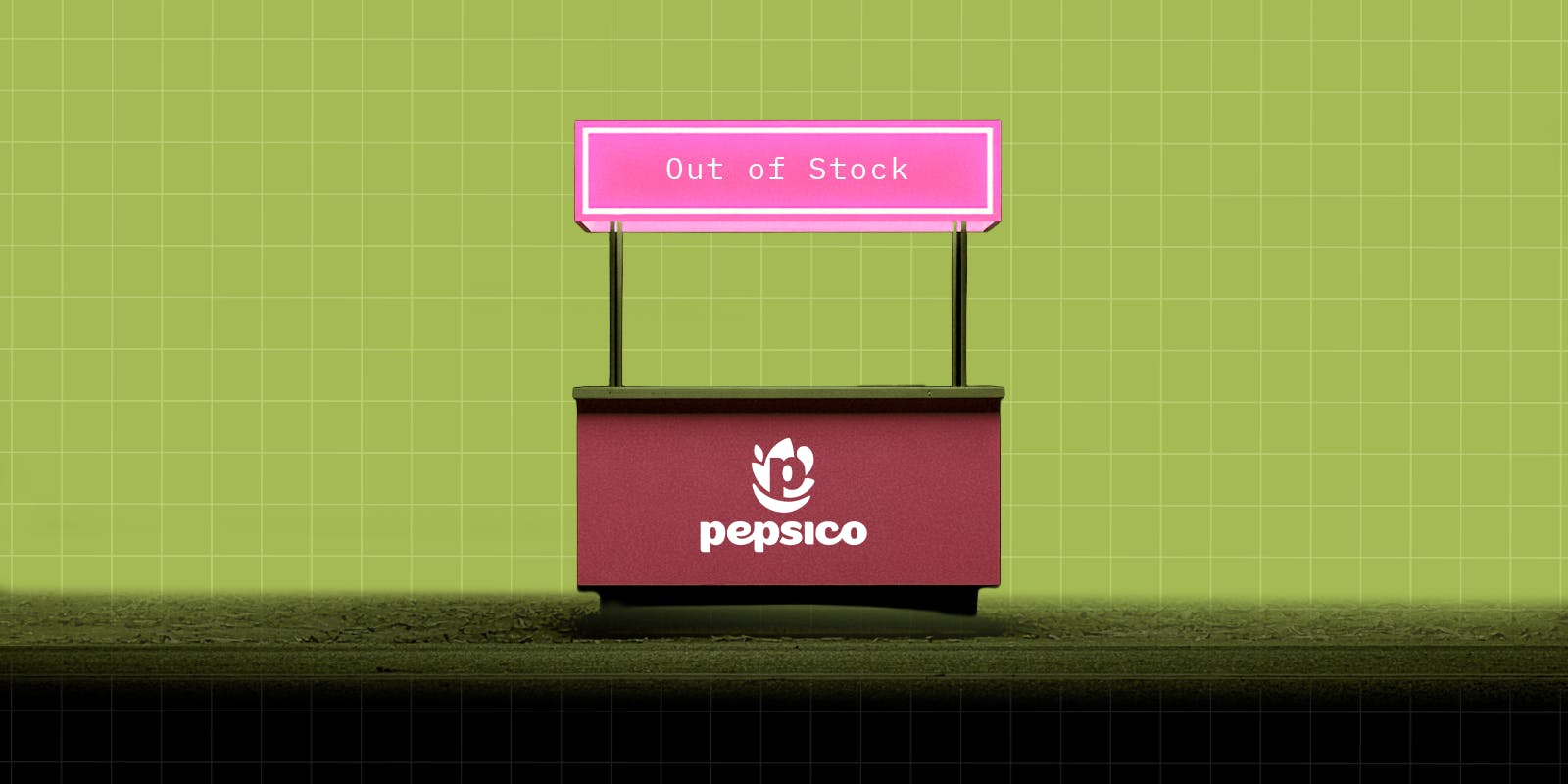
PepsiCo's second-quarter results were a tale of two markets: strong international performance offset by a sluggish North American business, where rising costs and changing consumer habits took a bite out of snack and drink sales. The company's overall revenue and profit came in roughly in line with Wall Street expectations, but investors were unimpressed, sending shares lower on Thursday.
International Fizz, Domestic Flat
Outside the US, PepsiCo saw robust demand for its brands, helped by a weaker US dollar that made overseas earnings more valuable when converted back to dollars. That international strength pushed results above forecasts in those regions. But at home, the picture was less bubbly. US consumers, squeezed by higher gasoline prices and everyday costs, cut back on discretionary treats, causing PepsiCo's North American earnings to fall short of analyst estimates.
This domestic weakness is part of a broader trend. As RBC warned earlier this year, PepsiCo's US snack sales may slow as price cuts and rising gas costs bite into household budgets. The company's second-quarter report confirmed that pressure is real.
Pricing Power Under Pressure
Consumer staples companies like PepsiCo rely heavily on "pricing power" — the ability to raise prices without losing customers, which helps protect profit margins. But that power is being tested on multiple fronts.
One major headwind is the rise of weight-loss drugs like Ozempic and Wegovy. These medications reduce appetite and food cravings, leading people to eat less overall — and significantly less of the salty snacks and sugary drinks that are PepsiCo's bread and butter. In response, the company has been pushing healthier product lines and offering lower prices to attract budget-conscious shoppers. While that strategy can boost sales volume, it also compresses profit margins, as the earnings report showed.
Adding to the margin squeeze, Walmart announced this week that it is slashing prices on a wide range of products, including some of PepsiCo's most popular beverages. As the world's largest retailer, Walmart wields enormous bargaining power over its suppliers. That means some of those price cuts may force PepsiCo to reduce the prices it charges the grocer, further eating into profitability.
What It Means for Investors
For everyday investors, PepsiCo's results highlight the challenges facing consumer staples companies in a high-inflation environment. Even a giant with iconic brands like Doritos, Lay's, and Mountain Dew is not immune to the pressures of rising costs and shifting consumer behavior.
The company reaffirmed its full-year targets, suggesting management believes the current headwinds are manageable. But the market's muted reaction — a stock decline on the day of the report — indicates that investors are watching closely for signs of deeper trouble. The combination of weaker US demand, margin pressure from price cuts, and the long-term threat from weight-loss drugs creates a more uncertain outlook than in past years.
Investors should also note that PepsiCo's international business provides a valuable buffer. A weaker dollar boosts the value of overseas earnings, and the company's global brand portfolio gives it diversification that pure-play US snack makers lack. However, if the dollar strengthens or international demand softens, that buffer could shrink.
For now, PepsiCo remains a profitable, dividend-paying stalwart. But the second-quarter report serves as a reminder that even the most established companies face headwinds that can dampen growth and squeeze margins. As earlier this earnings season showed, PepsiCo's results are being closely watched as a bellwether for consumer health. The message from this quarter: the US consumer is feeling the pinch, and that has consequences for the companies that depend on their spending.