PepsiCo investors may want to brace for a softer-than-expected second-quarter report next month, according to a new note from RBC Capital Markets. The investment bank says the snack-and-beverage giant's North American salty snack business likely lost some steam in the April-to-June period, even after volumes showed signs of improvement earlier this year.
RBC analyst Nik Modi told clients that while first-quarter salty snack volumes turned positive, second-quarter gains may not translate into faster sales growth. The reason: PepsiCo is cutting prices, and those discounts are now showing up more clearly in retail scanner data.
Price cuts on Lay's, Doritos, Cheetos
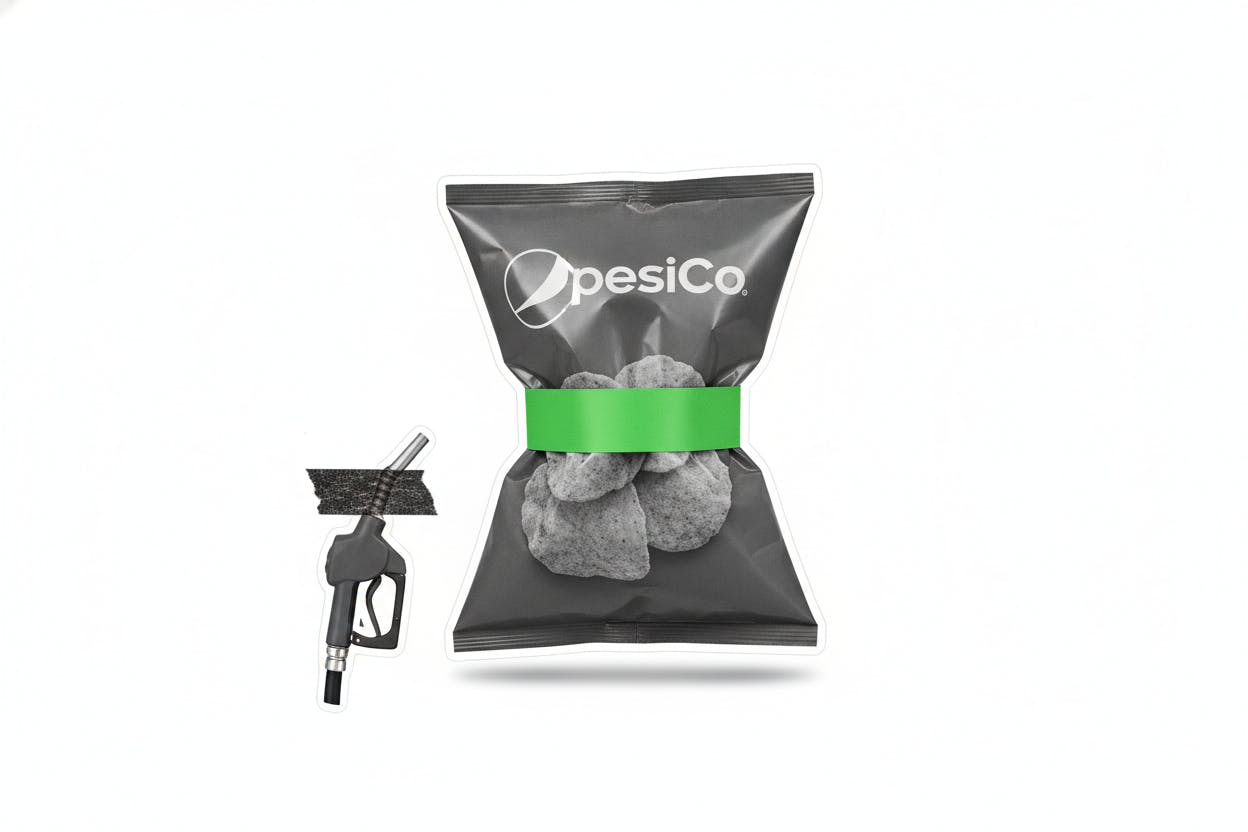
In February, PepsiCo announced it would reduce prices by up to 15% on several key snack brands, including Lay's, Doritos, and Cheetos. The move was aimed at winning back budget-conscious shoppers who had traded down to cheaper store brands or simply bought fewer bags amid persistent inflation. But RBC now believes those price cuts are eating into revenue growth, even as more bags move off shelves.
“The mix of lower pricing and a more cautious US consumer is likely to pressure results,” Modi wrote. The analyst expects PepsiCo to report adjusted earnings per share (EPS) of $2.16 on revenue of $23.99 billion when it releases second-quarter results on July 9. That is slightly below the consensus estimate from FactSet, which calls for $2.21 EPS on $23.96 billion in revenue.
PepsiCo has kept its full-year targets intact. The company is guiding for 2% to 4% organic sales growth — a measure that strips out currency swings and large one-off changes — and 5% to 7% growth in core earnings per share. But RBC says the next update could pull expectations toward the low end of those ranges. The firm also nudged down its 2026 estimates for the stock.
What it means for investors
For everyday investors, PepsiCo's snack price cuts are a double-edged sword. On one hand, lower prices at the checkout can be a welcome relief for households still feeling the pinch from higher costs elsewhere, like rent and insurance. On the other hand, if PepsiCo's revenue growth stalls, its stock could face headwinds.
PepsiCo is a classic defensive stock — a company that sells staples people buy regardless of the economy. But even defensive names can struggle when they have to cut prices to move product. Investors will be watching the July 9 report closely for signs that the price cuts are working to boost volume without crushing margins.
One bright spot: RBC says PepsiCo's international business is holding up better than its US snack turnaround. That geographic diversification could provide some cushion if domestic results disappoint. The company's beverage business, which includes Gatorade and Mountain Dew, may also offer some offset.
Broader market conditions are also worth noting. The dollar has slipped recently, which can help multinational companies like PepsiCo when they convert foreign earnings back into dollars. And while oil prices have eased, gasoline costs remain a factor in consumer spending patterns — higher gas prices can leave less cash for snacks.
Looking ahead
PepsiCo's second-quarter report will be a key test of whether the company's strategy of cutting prices to win back shoppers is paying off. If volumes rise enough to offset lower prices, the stock could hold steady. But if the trade-off proves too costly, investors may see the shares drift lower.
RBC's cautious note adds to a growing sense that the US consumer is becoming more selective. Other companies, from retailers to restaurants, have reported similar trends. For PepsiCo, the next few months will show whether its snack aisle price cuts are a temporary fix or a sign of deeper demand weakness.
Investors should also keep an eye on broader economic data. Rising aluminum prices and other input costs could eventually feed back into packaging expenses for food companies. And stable palm oil prices may help keep some ingredient costs in check, though the overall picture remains mixed.
For now, PepsiCo remains a widely held dividend stock with a long track record. But as RBC's note suggests, even the biggest names in staples can hit speed bumps when the economy shifts.