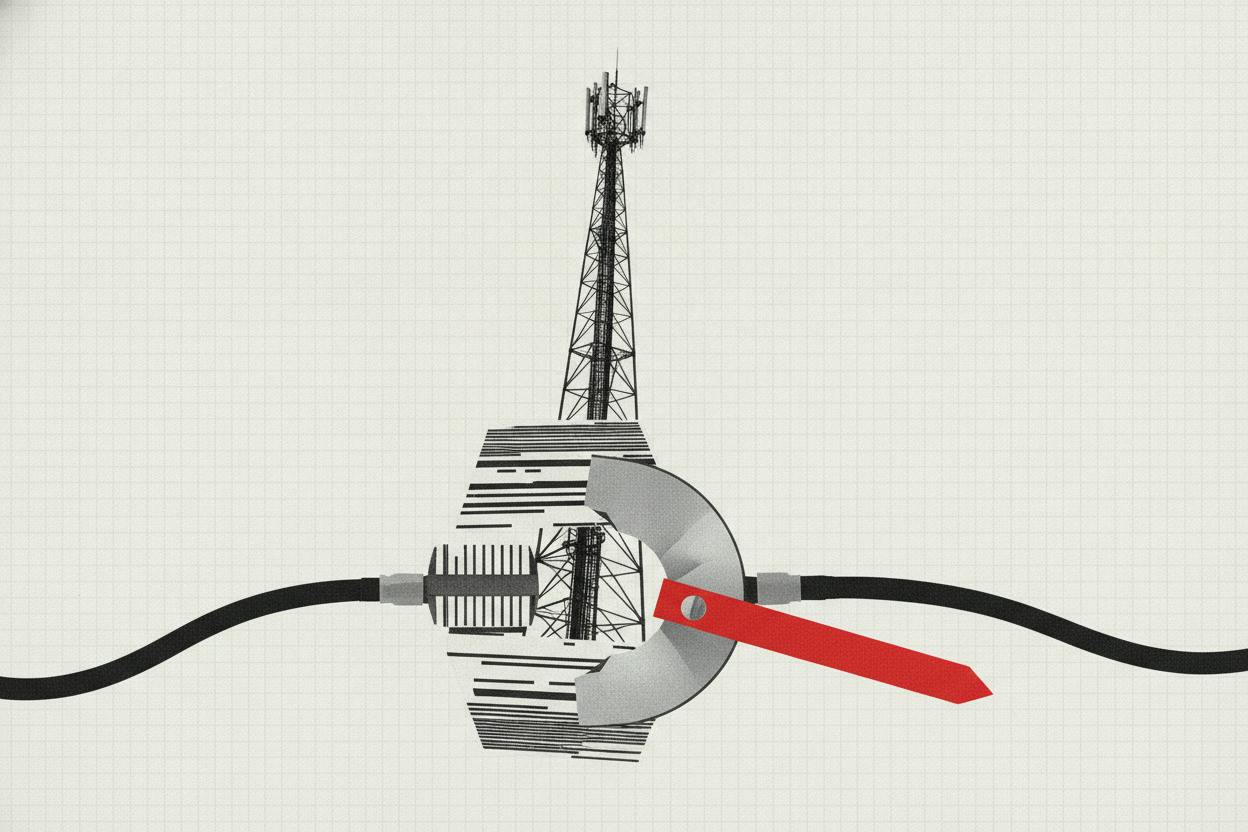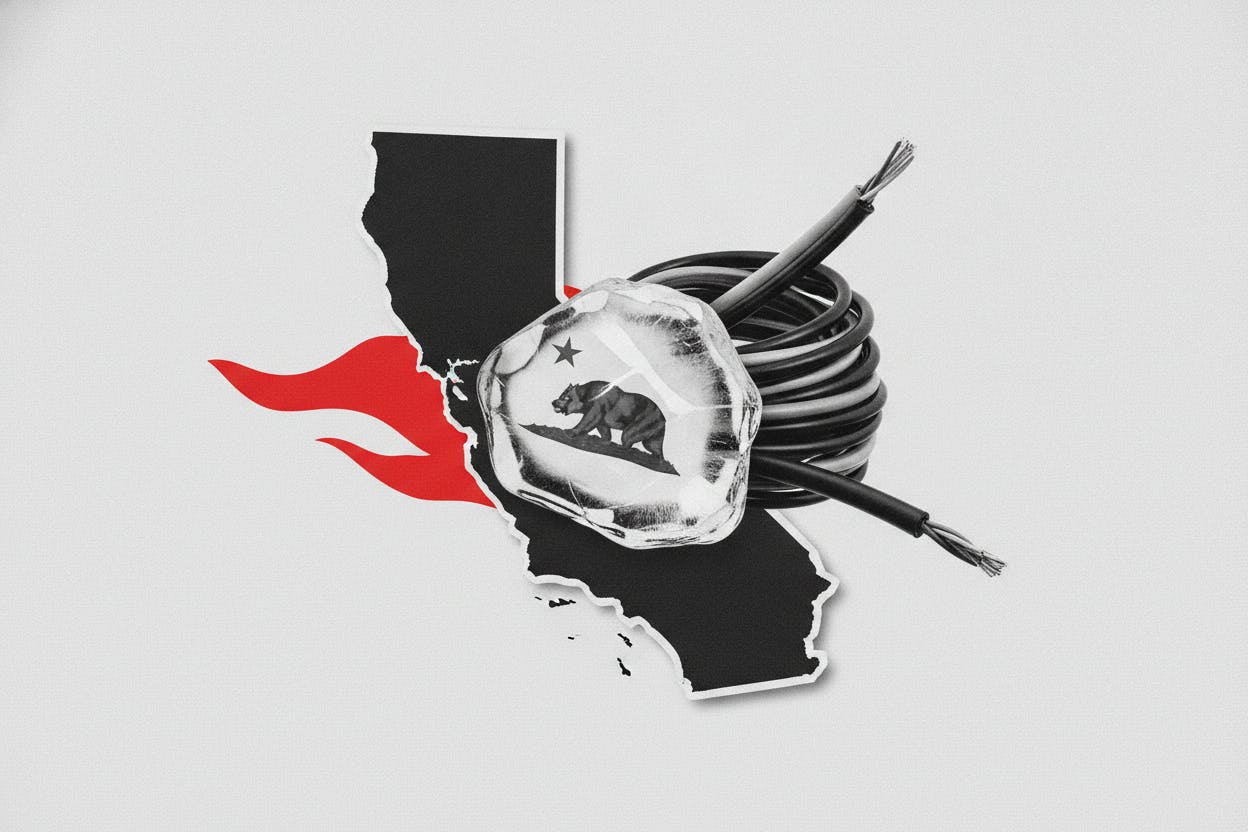
PG&E, California's largest electric utility, announced it will delay roughly $2 billion in planned 2027 capital spending and launch a strategic review, citing the state's wildfire liability rules as a key driver of rising financing costs. The move underscores how the threat of catastrophic wildfire claims continues to weigh on the company's financial planning.
Why the utility is pulling back
Utilities are traditionally seen as steady, low-risk investments: they build and maintain the poles, wires, and safety equipment that deliver electricity, and regulators allow them to charge customers rates designed to cover those costs plus a reasonable return. But PG&E says California's current wildfire liability framework leaves it exposed to potentially enormous claims if its equipment is linked to a fire, even as it spends heavily on prevention and grid hardening.
That exposure raises the cost of borrowing and makes it harder to justify large upfront investments. By deferring about $2 billion of planned 2027 spending, PG&E is effectively slowing its capital program to preserve financial flexibility. The company also said it will conduct a strategic review, which could lead to changes in how it allocates capital or even in its overall business structure.
What this means for investors
For everyday investors, this news is a reminder that utilities are not as predictable as they once seemed. PG&E's decision to delay spending suggests management is prioritizing balance-sheet strength over growth. That could mean slower earnings growth in the near term, but it may also reduce the risk of future dilution or credit downgrades.
Investors should watch for details from the strategic review, which could include asset sales, changes in dividend policy, or a shift in how the company approaches its wildfire risk. The outcome will likely influence PG&E's credit rating and its cost of capital, both of which affect the returns shareholders can expect.
The broader backdrop is also important. California's wildfire liability rules have been a persistent overhang on PG&E's stock since the company emerged from bankruptcy in 2020. While the state has created funds to help utilities cover some wildfire costs, PG&E argues the current framework still leaves it with too much exposure. Any legislative changes could significantly alter the company's outlook.
Context: PG&E's long road
PG&E has a history of financial distress tied to wildfires. The company filed for bankruptcy in 2019 after its equipment was blamed for a series of devastating fires, including the 2018 Camp Fire that destroyed the town of Paradise. Since then, it has invested billions in safety measures, including undergrounding power lines and installing weather stations, but the threat of new claims remains.
The decision to defer spending is not unique to PG&E. Other utilities in wildfire-prone regions have also faced rising costs and credit pressure. However, PG&E's size and history make it a bellwether for how the industry is grappling with climate-related risks.
What to watch next
Investors will be looking for more details on the strategic review, which could take months. Key questions include whether PG&E will sell non-core assets, reduce its dividend, or seek changes to California's liability rules. The company's next earnings report may also provide guidance on how the spending deferral will affect its financial targets.
For those who own PG&E stock or are considering it, the key takeaway is that the company is prioritizing financial stability over aggressive growth. That may be prudent given the risks, but it also means shareholders should temper expectations for near-term returns.
As always, it's wise to consider how this fits into your broader portfolio. Utilities are often used for income and stability, but PG&E's situation shows that even these defensive stocks can face significant headwinds. Diversification remains a cornerstone of sound investing.