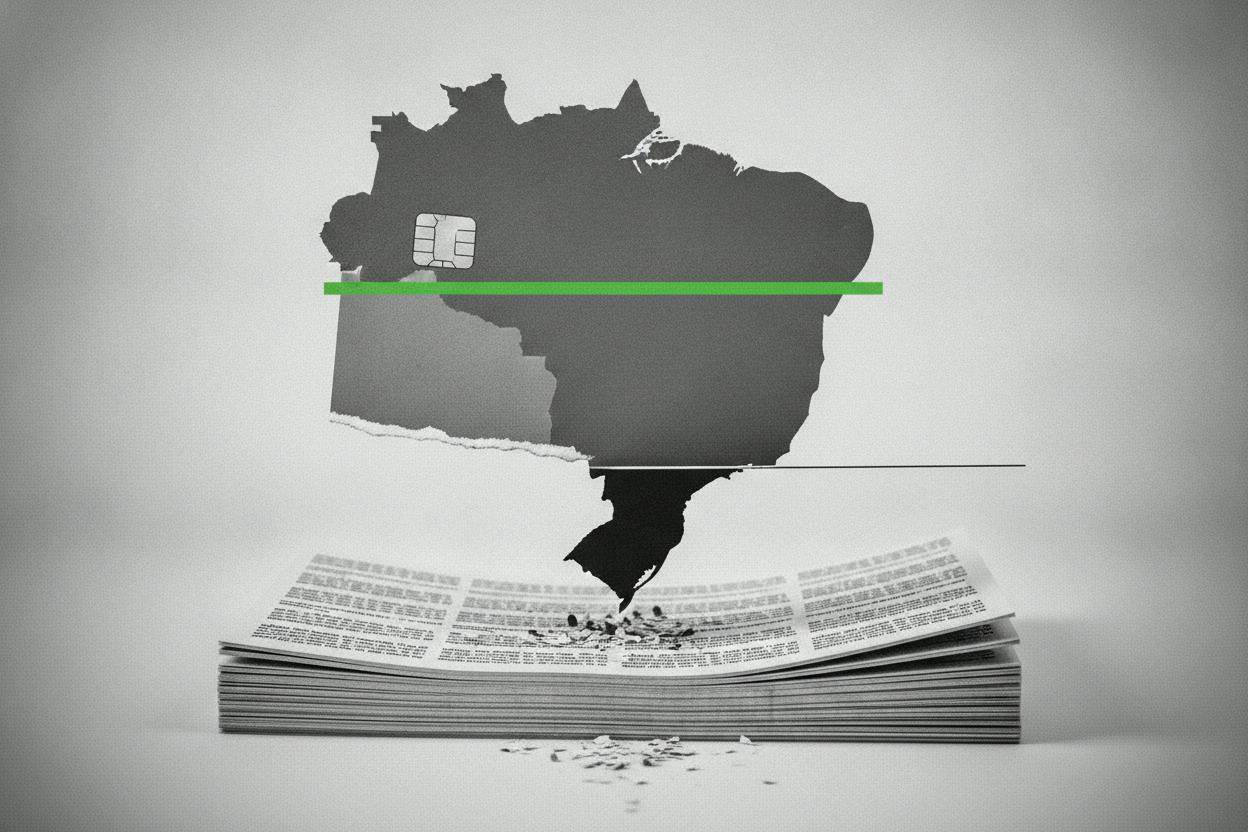
Pluxee, the employee benefits company, delivered better-than-expected profits for its fiscal year 2026, but the good news came with a caution: the next fiscal year will be a “transition year” as a major regulatory change in Brazil begins to bite.
The company, which provides meal vouchers, gift cards, and other employee benefits to businesses worldwide, said its recurring EBITDA for fiscal 2026 topped analyst forecasts. That beat was driven by strong performance across most of its markets, particularly in Europe and other Latin American countries.
However, management quickly tempered the celebration by flagging that fiscal 2027 will be a period of adjustment. The main culprit is a reform to Brazil’s meal-voucher system, one of Pluxee’s largest and most profitable markets. The reform, which is set to take effect in the coming months, is expected to change how meal vouchers are issued and used, potentially squeezing the fees that companies like Pluxee can charge.
What is Brazil’s meal-voucher reform?
Brazil has long been a key market for employee benefits firms. Meal vouchers—known locally as “vale-refeição”—are a common perk, with employers providing cards that workers use to pay for food at restaurants and supermarkets. Pluxee and its rivals act as intermediaries, charging fees to both employers and merchants.
The reform aims to increase transparency and competition in this system. Among other changes, it is expected to allow merchants to accept vouchers from multiple providers and to reduce the fees that can be charged. While that may be good news for restaurants and consumers, it threatens the revenue streams of the benefit companies that have historically enjoyed high margins in Brazil.
Pluxee’s management described the coming year as a “transition year,” signalling that the full impact of the reform will be felt over the next 12 months. The company is likely to face lower revenue and margins in Brazil as it adapts to the new rules, even as it tries to offset the hit by growing in other regions and launching new products.
What does this mean for investors?
For shareholders, the profit beat is a positive sign that Pluxee’s core business remains healthy. But the warning about fiscal 2027 is a reminder that regulatory changes can disrupt even the most successful companies.
Investors should watch how Pluxee plans to navigate the Brazilian reform. The company may look to cut costs, renegotiate contracts, or accelerate expansion in other markets to cushion the blow. It could also pass some of the impact onto merchants or employers, though that may be difficult in a more competitive environment.
The situation is similar to other companies that have faced regulatory headwinds in key markets. For example, Latin American markets have been sensitive to policy changes in Brazil, and investors often react sharply to any sign of regulatory pressure. The reform could also affect Pluxee’s competitors, such as Edenred and Sodexo, which also operate in Brazil.
For everyday investors, the key takeaway is that Pluxee’s short-term outlook is clouded by uncertainty. The company’s ability to manage the transition will determine whether it can maintain its growth trajectory. As with any stock, it’s important to consider the risks, not just the recent good news.
Broader context
Pluxee’s situation is not unique. Many companies that rely on a single large market face similar challenges when regulations shift. The meal-voucher reform is part of a broader trend in Brazil to increase competition and reduce costs for consumers. That trend has been positive for the economy but can be painful for incumbent players.
Investors may also want to keep an eye on how Pluxee’s rivals respond. If the reform leads to lower fees across the industry, it could pressure the entire sector. On the other hand, companies that adapt quickly might gain market share.
Pluxee’s fiscal 2026 beat shows that the company has been performing well, but the road ahead is bumpy. The next few quarters will be crucial as investors see how the transition unfolds. For now, the message from management is clear: expect a reset in Brazil, and don’t be surprised if profits take a temporary hit.