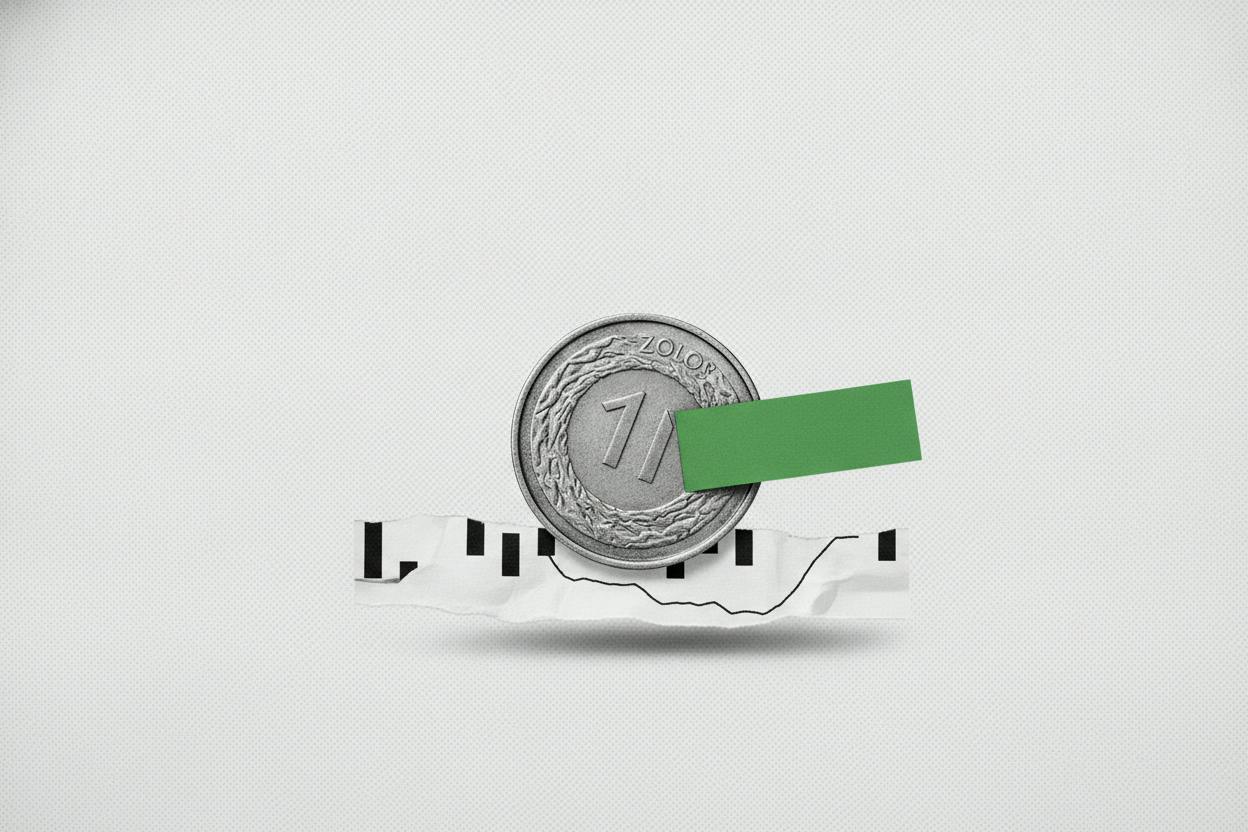
Poland's annual inflation rate dropped to 3.5% in October, a surprise that has reignited speculation about when the central bank might start cutting interest rates. The news also weighed on regional currencies, with the Polish zloty and the Hungarian forint both losing ground as investors moved into risk-off mode.
What happened
The reading came in below expectations, marking a continued slowdown from earlier in the year. For everyday Poles, this means the cost of living is rising more slowly, which could ease pressure on household budgets. But for markets, the focus is on what it means for monetary policy.
Lower inflation typically gives central banks more room to reduce borrowing costs. In Poland, the central bank has kept rates on hold for months, wary of sticky price pressures. With October's figure coming in softer than anticipated, traders are now pricing in a higher chance of a rate cut in the coming months.
Why currencies are feeling the heat
Rate cuts are generally seen as negative for a currency because they reduce the yield investors earn on assets denominated in that currency. As expectations for Polish rate cuts grew, the zloty came under pressure. The Hungarian forint, which often moves in tandem with its regional peers, also weakened.
Adding to the strain was a broader shift in investor sentiment. Markets turned cautious, with many investors pulling back from riskier assets. Emerging-market currencies like the zloty and forint tend to suffer in such environments, as money flows back into safer havens like the US dollar or German bonds.
This dynamic is not unique to Central and Eastern Europe. Similar patterns have played out across the globe, as cooling inflation in New Zealand also lifted rate-cut hopes there, while Colombia's central bank faces a tight call on rates as its inflation remains hot.
What it means for investors
For investors holding zloty or forint assets, the near-term outlook is uncertain. If rate cuts materialise, bond yields could fall, which might reduce the appeal of these currencies. On the other hand, lower rates could stimulate economic growth, which might eventually support the currencies.
For those with exposure to Polish or Hungarian equities, the picture is more mixed. Lower rates can boost corporate profits by reducing financing costs, but a weaker currency can hurt companies that rely on imports. Investors should watch for signals from the Polish central bank in the coming weeks, as any hints about the timing of cuts will likely drive further currency moves.
The broader European backdrop also matters. German state inflation cooled in October, hinting at a softer national rate, which could influence the European Central Bank's policy path. Meanwhile, France's borrowing costs have climbed as growth shrinks and inflation stays hot, adding to the region's economic divergence.
Looking ahead
The key question is whether Poland's inflation slowdown is a blip or a trend. If price pressures continue to ease, the central bank may feel confident enough to begin cutting rates early next year. That would be welcome news for borrowers, but it could keep the zloty under pressure.
For now, investors are likely to remain cautious. The risk-off mood, combined with the prospect of looser monetary policy, suggests that CEE currencies could stay volatile. As always, diversification and a long-term perspective remain prudent strategies for everyday investors navigating these shifts.