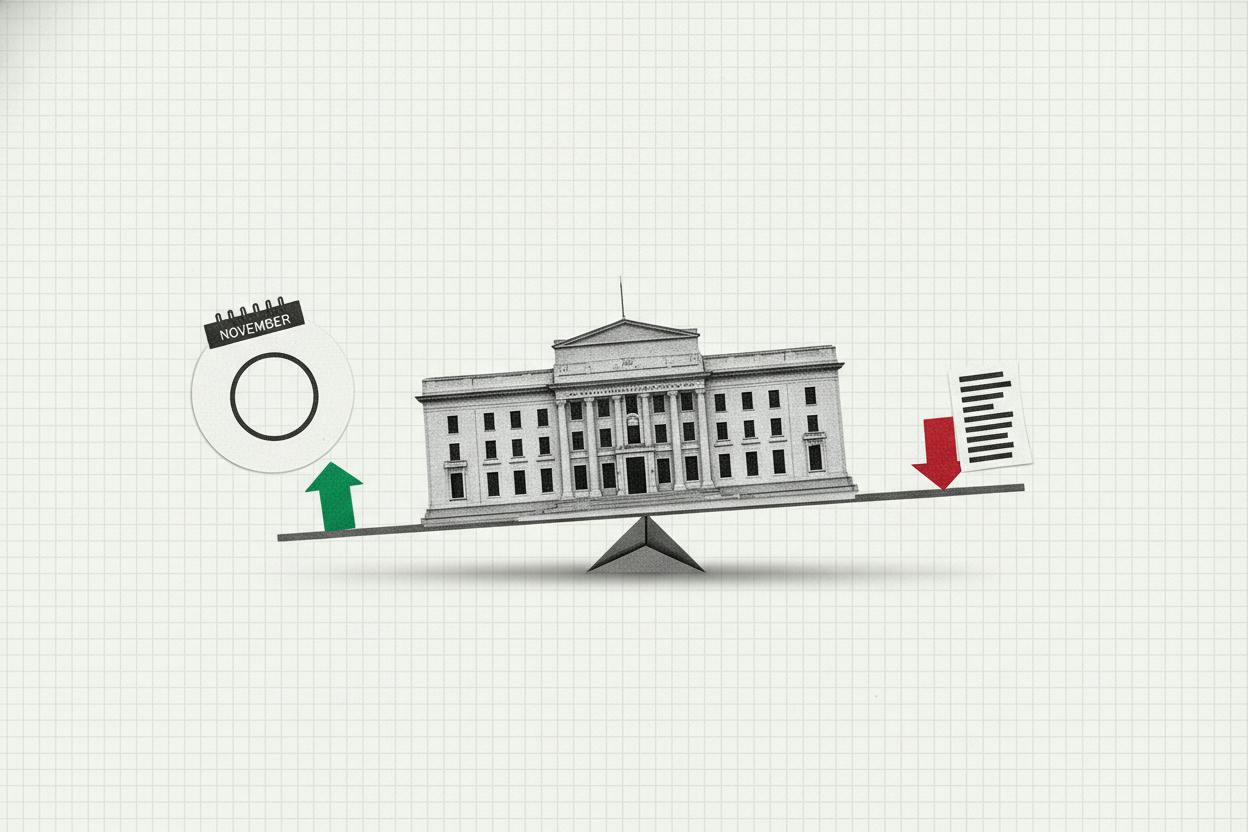
Colombia's central bank faces one of its toughest decisions of the year on Friday, as policymakers weigh whether to raise the benchmark interest rate to 12.5% or keep it at 12.25%. The choice pits stubbornly high inflation against signs that the economy is cooling, and analysts are far from unanimous.
A Reuters poll of 31 analysts found 17 expect a quarter-point hike, 13 predict the bank will hold, and one forecasts a larger move. That near-even split underscores the uncertainty surrounding the decision, which will be announced after the bank's board meeting.
Inflation vs. growth: the core tension
The central bank's target is 3% annual inflation, but prices were up 6.29% through September—more than double that goal. That hot reading gives hawks on the board a strong argument for another increase, as they seek to anchor expectations and prevent price pressures from becoming entrenched.
However, the economy is expected to slow, which gives doves reason to pause. Higher borrowing costs tend to dampen spending and investment, and with growth already cooling, some policymakers worry about overtightening. The tug-of-war between fighting inflation and protecting growth is a classic central-bank dilemma, and Colombia is feeling it acutely.
Adding to the uncertainty, local bank Davivienda has flagged two specific risks that could push prices higher: the El Niño weather phenomenon and upcoming minimum-wage negotiations. El Niño often disrupts agriculture and energy supplies, which can drive up food and utility costs. Minimum-wage talks, meanwhile, can feed directly into service prices if wage increases outpace productivity.
Board member Laura Moisa has argued that the bank should be cautious, suggesting that the full impact of previous rate hikes may still be working through the economy. Her stance reflects a broader debate: how much weight to give to lagging indicators versus forward-looking risks.
What a hike or a hold would signal
A quarter-point hike to 12.5% would signal that the central bank remains firmly focused on inflation, even at the risk of further slowing growth. It would be a clear message that the bank is not yet ready to declare victory over price pressures.
A hold, on the other hand, would suggest that policymakers believe the current rate is sufficiently restrictive and that they want to see more evidence before acting again. It could also be a nod to the cooling economy, as well as a recognition that the full effects of earlier hikes are still unfolding.
For investors, the decision matters because it affects the value of the Colombian peso, the cost of borrowing for businesses and consumers, and the attractiveness of local assets. A hike might support the currency but could weigh on stocks and economic activity. A hold might be seen as more growth-friendly but could raise concerns about inflation staying high.
What it means for investors
For everyday investors, the key takeaway is that Colombia's interest rate path is far from clear. The split among analysts reflects genuine uncertainty, not just noise. That means volatility around the decision is likely, and markets could react sharply to either outcome.
If you hold Colombian assets—whether local bonds, equities, or exposure through a fund—be prepared for possible swings. A hike could boost yields on peso-denominated bonds but might hurt corporate earnings and consumer spending. A hold could lift stocks in the short term but might raise questions about the bank's inflation-fighting credibility.
It's also worth watching the accompanying statement and press conference for clues about the future path. Central banks often use such moments to signal their next moves, and any hints about the pace of future changes could be as important as the decision itself.
Colombia is not alone in facing this dilemma. Central banks around the world are grappling with how to balance inflation and growth, from the European Central Bank's recent steady rates amid energy warnings to the Bank of Japan's signals of more hikes ahead. The global backdrop of high interest rates and slowing growth is a common thread.
For now, the focus is on Friday's decision. Whether the bank opts for a hike or a hold, the underlying challenge remains: bringing inflation down to target without derailing the economy. That balancing act will likely keep investors on edge for months to come.