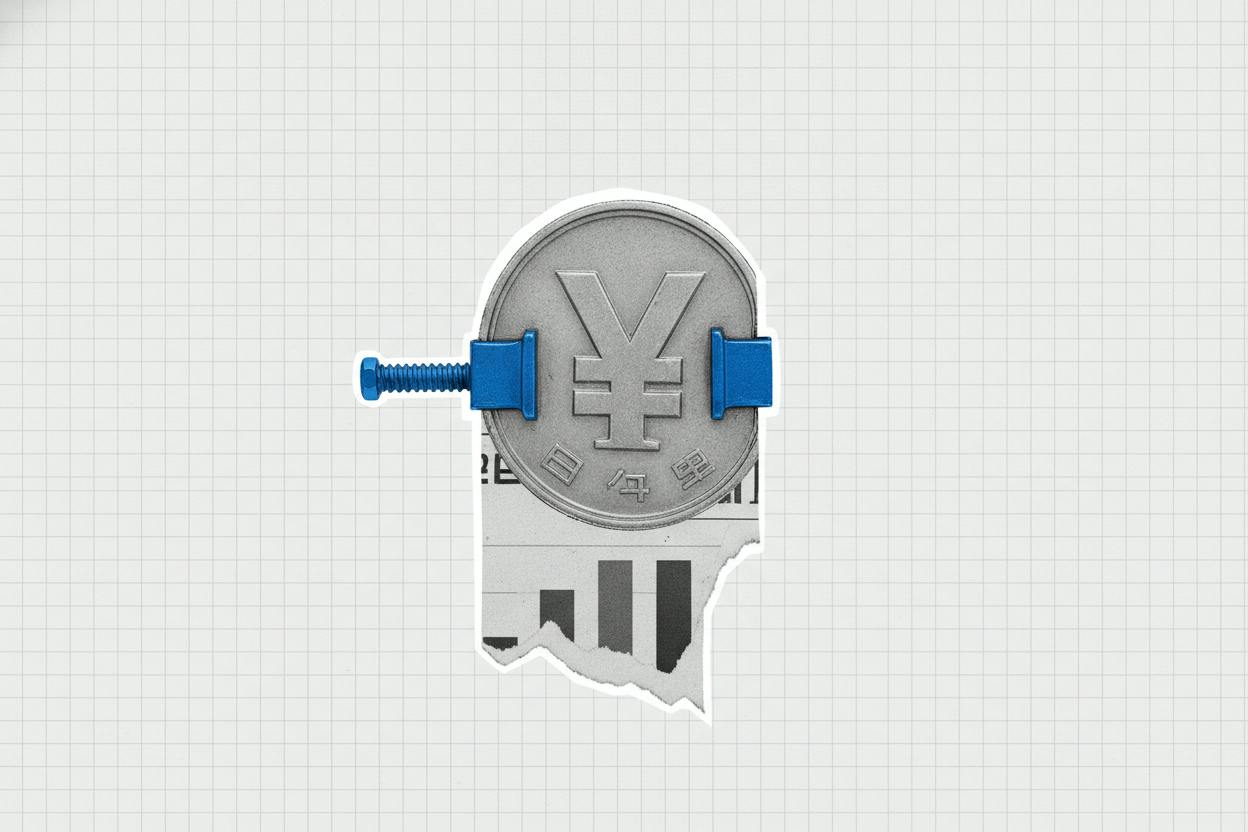
The Bank of Japan (BOJ) kept its benchmark interest rate at 1.25% on Friday, but the decision was far from a simple pause. In an 8-1 vote, the central bank left rates unchanged while simultaneously lifting its inflation forecast and signaling that another hike could come as soon as its next meeting.
The lone dissenter was board member Hajime Takata, who argued for an immediate increase to 1.5%. His push for action underscores a growing conviction within the BOJ that inflation is becoming more entrenched, even as the bank's leadership opts for a cautious, step-by-step approach.
What the BOJ's message really says
On the surface, the hold was widely expected. Markets had already priced in a pause, and the BOJ has been moving gradually to normalize policy after years of ultra-low rates. But the more significant signal came from the bank's quarterly Outlook Report, which leaned harder into the view that "underlying" inflation is running around 2%—closer to the BOJ's target than policymakers have previously been willing to admit.
That shift matters because it changes the bar for future action. If the BOJ now believes inflation is sustainably at target, the case for further rate increases strengthens. The bank kept the next meeting "in play," meaning it did not rule out a hike in December, and the upgraded inflation view gives it cover to move if economic data cooperates.
For everyday investors, the key takeaway is that Japan's era of rock-bottom interest rates is firmly in the rearview mirror. The BOJ has raised rates several times over the past year, and Friday's statement suggests more tightening is likely, even if the pace remains deliberate.
Why Japan's rate path matters globally
Japan is the world's fourth-largest economy and a major player in global bond markets. When the BOJ raises rates, it can ripple through global yields, currency markets, and investor sentiment. A higher yen, for instance, can pressure Japanese exporters' profits, while higher Japanese government bond yields can attract capital away from other markets.
The BOJ's move also stands in contrast to other major central banks. The European Central Bank recently held rates steady, and the U.S. Federal Reserve has been signaling a slower pace of cuts. Japan's tightening bias makes it something of an outlier, and that divergence is something investors are watching closely.
For those with exposure to Japanese equities or the yen, the BOJ's path is a key variable. A stronger yen can hurt the competitiveness of Japanese exporters, while higher rates can squeeze companies with heavy debt. On the other hand, a healthier inflation picture can support domestic consumption and wages over time.
What it means for investors
For everyday investors, the BOJ's decision is a reminder that central bank policy remains a dominant force in markets. Even a widely expected hold can carry important signals, and the details—like the inflation outlook and dissenting votes—often matter more than the headline decision.
Investors should watch for a few things in the coming weeks. First, any hints from BOJ officials about the timing of the next hike. Second, economic data such as wage growth and inflation readings, which will shape the bank's decisions. Third, how the yen and Japanese bond yields react, as those moves can affect global markets.
The BOJ's stance also has implications for other parts of the world. For example, Japan's convenience stores are losing shoppers to discount supermarkets, a sign that domestic consumption patterns are shifting even as inflation rises. And while the BOJ tightens, other central banks are taking different paths—Egypt's central bank surprised with a 1-point hike as its currency slid, while the ECB held rates steady but warned about energy. These divergences create both risks and opportunities for global investors.
The road ahead
The BOJ's next policy meeting is scheduled for December, and many analysts expect another hike then. The bank's upgraded inflation view makes that more likely, but nothing is guaranteed. If global growth slows or financial conditions tighten sharply, the BOJ could hold again.
For now, the message is clear: Japan's central bank is committed to normalizing policy, but it will move at its own pace. Investors who understand that dynamic—and who watch the data and the bank's language—will be better positioned to navigate the shifts ahead.
As always, this is not a recommendation to buy or sell any asset. But understanding the BOJ's direction is a useful piece of the puzzle for anyone with money in global markets.