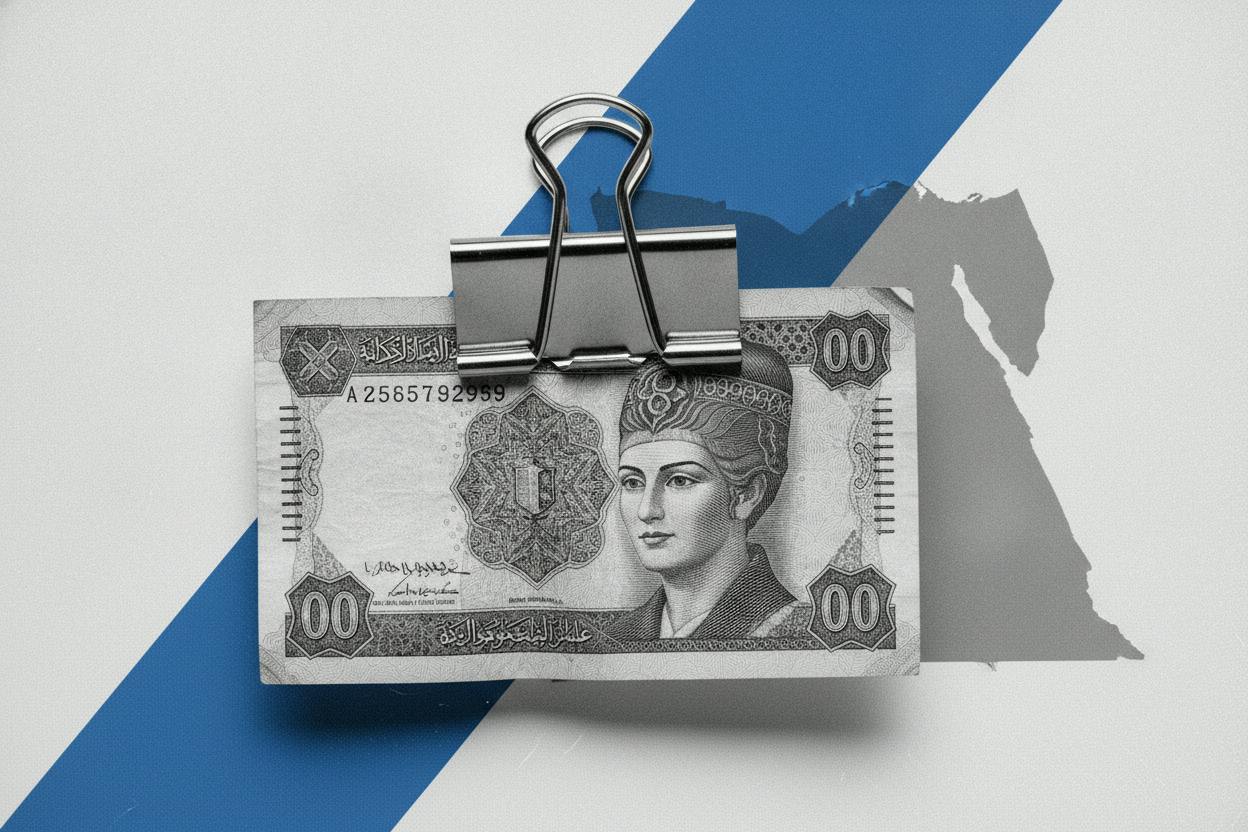
Egypt's central bank delivered a surprise on Thursday, raising its key interest rates by a full percentage point just days after the Egyptian pound tumbled to a record low against the US dollar. The decision, the first rate hike since March 2024, caught most forecasters off guard and underscores the pressure the country's currency and economy are under.
The Central Bank of Egypt (CBE) said its Monetary Policy Committee lifted the deposit rate to 20% from 19% and the lending rate to 21% from 20%. A Reuters poll of 13 analysts had expected no change, making the move a clear policy shock.
Why the hike despite cooling inflation?
At first glance, the decision seems counterintuitive. Inflation in Egypt has been easing: annual urban inflation stood at 13.9% in September, down from 14.5% in August. Core inflation, which strips out volatile items like food and fuel, also cooled to 14.1% from 14.9%.
But the CBE cited "tough external conditions and high uncertainty" as reasons for the move. The central bank is clearly worried about the pound's slide—the currency hit 56 per US dollar, a record low—and the risk that a weaker currency could reignite inflation by making imports more expensive.
By raising rates, the CBE is trying to defend the pound and keep inflation expectations anchored. Higher interest rates make holding Egyptian pounds more attractive, which can reduce demand for dollars and help stabilize the exchange rate.
What higher rates mean for the economy
The catch is that higher policy rates usually flow through to higher Treasury-bill yields and pricier bank loans, tightening financial conditions across the economy. For the government, this means higher borrowing costs in pounds. For households and businesses, it means more expensive credit, which can slow spending and investment.
With inflation around 14%, moving rates up to 20%-21% pushes Egypt back into clearly positive "real" rates—meaning returns on pound-denominated assets can outpace price rises. That's a key signal for investors, especially foreign "carry" traders who borrow in low-yield currencies and invest in higher-yielding ones. Higher local yields can encourage them to hold pounds instead of dollars, which can cool dollar demand and steady exchange-rate and inflation expectations.
But the same move increases the government's cost of borrowing in pounds and tends to squeeze households and businesses through more expensive credit. So investors are weighing near-term support for the pound against a higher domestic cost of capital that can slow activity and stress borrowers.
What it means for investors
For markets, Egypt's 21% policy rate makes holding pounds pay again, but it raises local borrowing costs. The rate hike could provide some short-term relief for the currency, but the underlying pressures—a large external financing gap, a heavy debt burden, and global uncertainty—remain.
Investors will be watching to see whether the CBE's move is enough to stabilize the pound and whether inflation continues to trend lower. The central bank's next move will depend on how the currency and price pressures evolve. If the pound keeps sliding, further hikes may be needed. If inflation stays subdued and the currency steadies, the CBE could hold off.
For everyday Egyptians, the hike means borrowing costs will likely rise, making loans for homes, cars, and businesses more expensive. Savers, on the other hand, may see better returns on pound deposits. The trade-off is a familiar one: tighter policy to defend the currency often comes at the cost of slower economic growth.
As Egypt navigates this delicate balancing act, the rest of the region is also watching. Central banks across the Middle East have been adjusting their own policies in response to global conditions. For instance, the UAE central bank recently held rates steady in step with the US Federal Reserve, while Taiwan's central bank faced a split over holding rates as inflation ticked up. Egypt's surprise move, however, stands out for its aggressiveness and its focus on currency defense.
In the coming weeks, all eyes will be on the pound's trajectory and whether the CBE's bold step restores confidence. For now, the message is clear: Egypt is willing to pay a price to protect its currency and keep inflation in check.