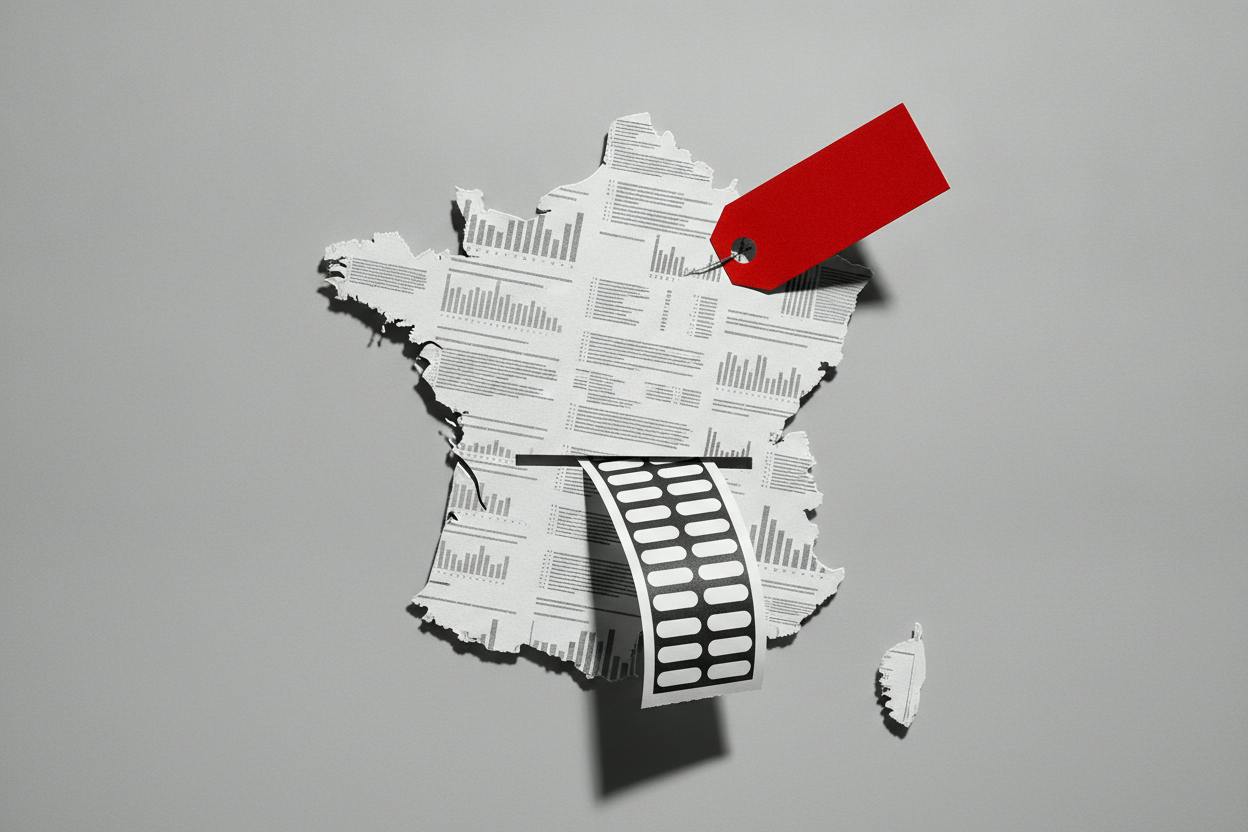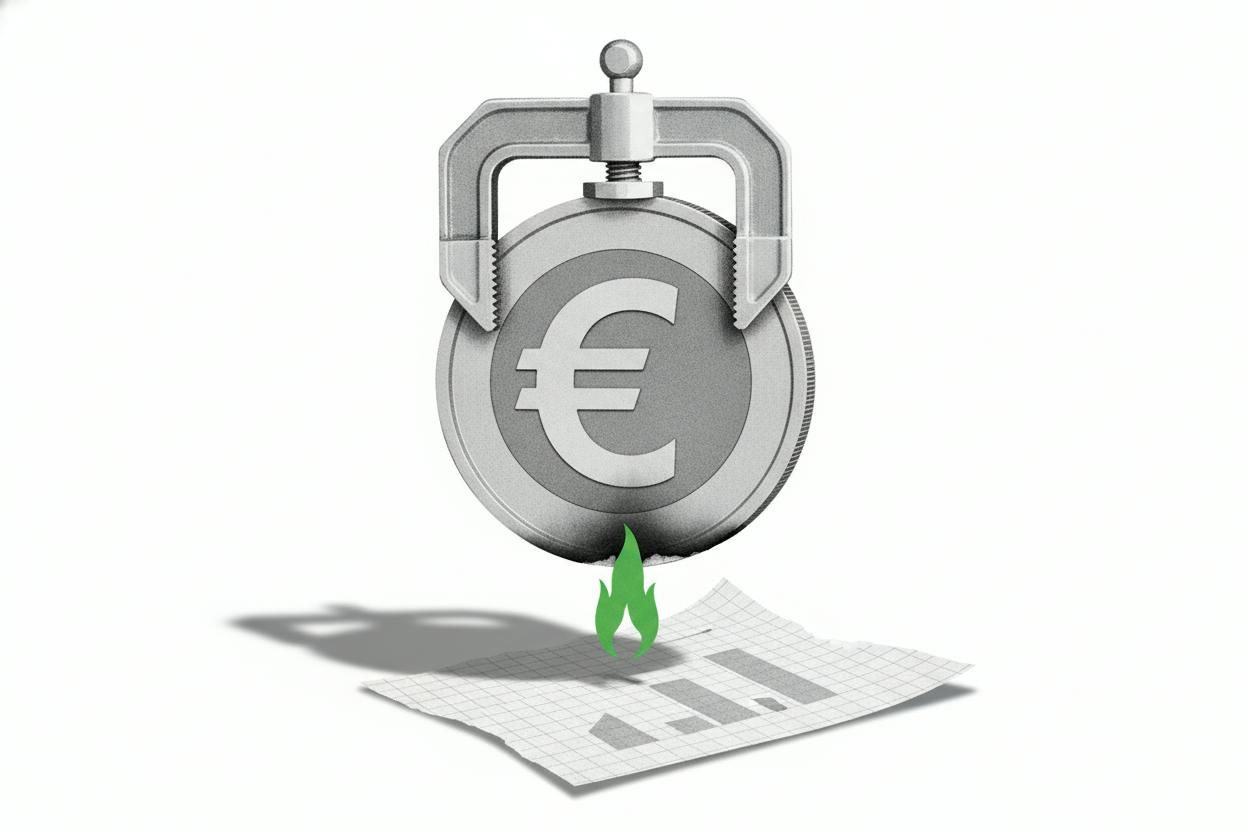
The European Central Bank (ECB) held its deposit rate at 2.50% this week, pausing its easing cycle for now. But the message came with a warning: higher energy prices could keep inflation sticky and slow the eurozone economy.
The decision was widely expected, as the central bank has been gradually lowering rates from their peak. However, the accompanying statement stressed that the energy shock is still working through the system, and that the full impact on consumer prices may not yet be visible.
What the ECB said
In its statement, the ECB said inflation has been “broadly stable” so far, justifying the pause. But it also highlighted the risk that higher oil and gas costs could spill into other sectors. Companies may try to protect their profit margins by raising prices, and workers may push for higher wages to offset their own rising costs. These are what economists call “indirect and second-round effects” — an initial price shock that turns into more generalized inflation.
The bank also noted that the energy situation remains uncertain, and that if prices stay elevated, it could weigh on economic growth. That’s a delicate balancing act: the ECB wants to bring inflation down to its 2% target, but it also doesn’t want to choke off the recovery.
Why energy matters for inflation
Energy is a major input for almost everything — from manufacturing to transport to heating. When energy prices rise, the cost of producing goods and services goes up. Some of that is passed on to consumers quickly, like at the petrol pump or on utility bills. But other effects take longer, as businesses adjust their pricing and wage negotiations play out.
That’s why the ECB is watching energy so closely. If the recent uptick in oil and gas prices proves temporary, inflation could continue to ease. But if it persists, it could keep inflation above the bank’s target for longer, forcing the ECB to keep rates higher for longer than investors might hope.
What it means for investors
For everyday investors, the key takeaway is that interest rates in the eurozone are likely to stay at current levels for a while. That affects everything from bond yields to mortgage rates to the value of the euro.
Higher-for-longer rates tend to be positive for savers, who can earn more on cash deposits and short-term bonds. But they can be a drag on stocks, especially growth companies that rely on cheap borrowing. Real estate and other interest-rate-sensitive sectors may also feel the pinch, as higher rates have already been re-shaping property deals across Europe.
On the other hand, if energy prices keep climbing, that could boost energy producers and related industries. OMV recently posted its best quarterly profit since 2022, partly thanks to refining and energy prices — a sign that some companies benefit from the same forces that worry central bankers.
What to watch next
Investors will now focus on upcoming inflation data and the ECB’s next meeting. If energy prices continue to rise, the bank may have to revise its outlook and possibly delay further rate cuts. If they fade, the path to lower rates could reopen.
Central banks elsewhere are facing similar dilemmas. The U.S. Federal Reserve has also been cautious about cutting rates, and other central banks, like the UAE's, have held rates in step with the Fed. The global picture is one of uncertainty, with energy prices a common thread.
For now, the ECB is choosing to wait and see. That may be prudent, but it leaves investors with a clear message: don’t expect rapid rate cuts anytime soon, and keep an eye on the oil and gas markets.