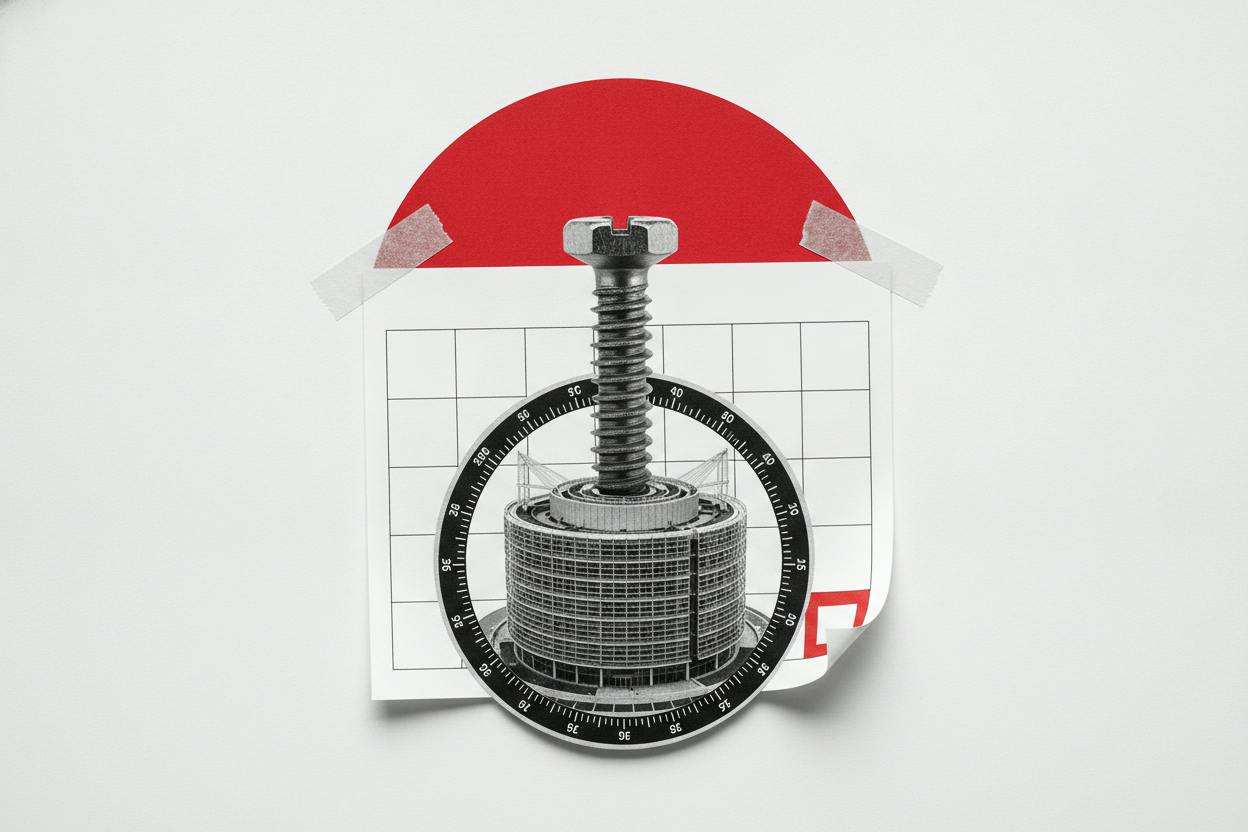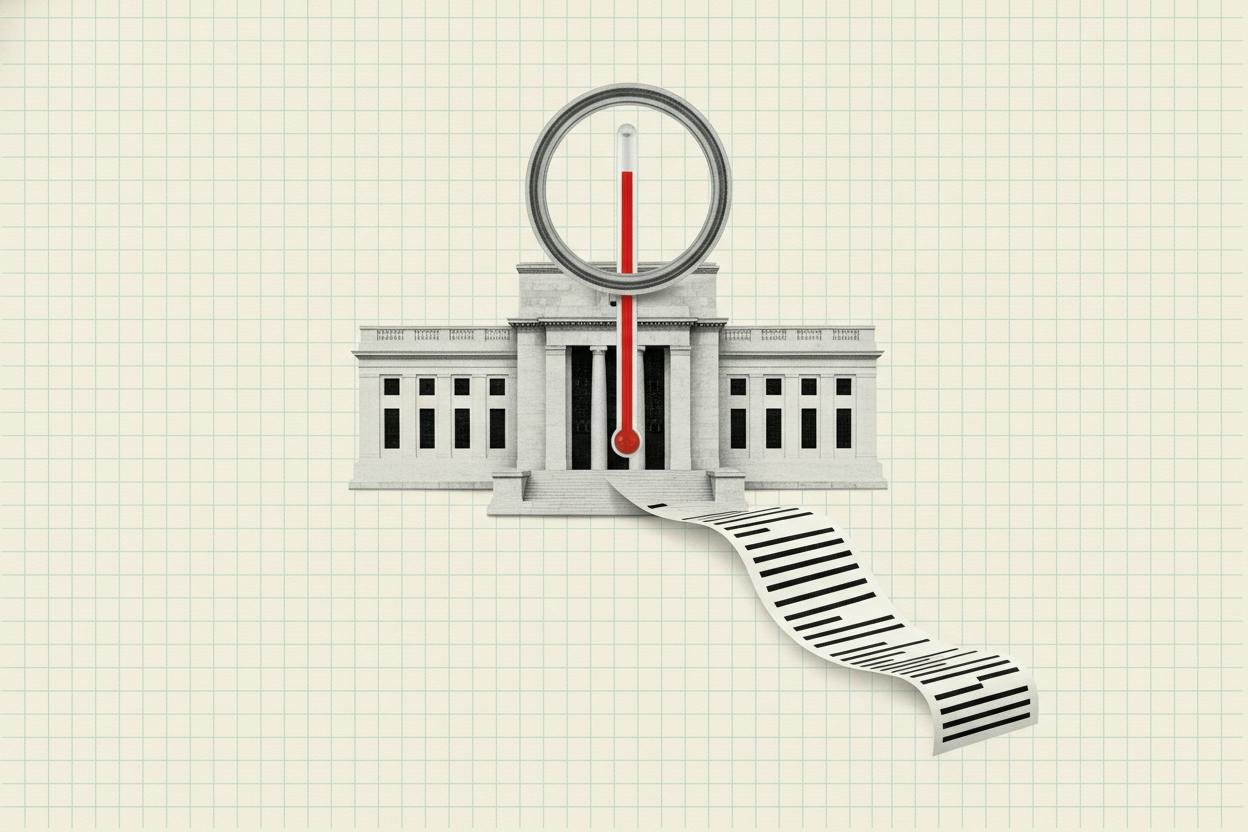
US inflation picked up in September, according to the Federal Reserve's preferred measure, keeping the possibility of another interest-rate hike on the table for December. The personal consumption expenditures (PCE) Price Index rose 0.5% from August, accelerating from a 0.3% gain the prior month, the Bureau of Economic Analysis reported. That pushed the year-on-year inflation rate to 3.6%, still well above the Fed's 2% target.
Core PCE, which strips out volatile food and energy prices, rose 0.3% on the month and 3.1% over the past year. While that's down from earlier peaks, it remains stubbornly above the level policymakers consider healthy for the economy.
What this means for the Fed's next move
The Fed has been trying to cool demand without tipping the economy into a recession. At their last meeting, officials held interest rates steady but repeated that inflation "remains elevated," signaling that another hike is not off the table. The hotter September print reinforces that message, and markets are now treating a December move as a live possibility.
Investors have been watching inflation data closely, as it directly influences the Fed's policy path. Higher rates tend to weigh on stock valuations, especially for growth-oriented companies, and can increase borrowing costs for consumers and businesses. The recent slide in tech stocks and moves in European markets have been partly driven by uncertainty over where inflation and rates are headed.
The consumer picture: paying more, buying less
One wrinkle in the data: consumer spending rose 0.5% in September in dollar terms, but was flat once you adjust for inflation. In other words, households paid more for the same goods and services, but didn't actually buy more. That's a softer starting point for fourth-quarter growth, even after a strong third-quarter showing.
This distinction between "nominal" and "real" spending is crucial for investors. Nominal spending—the raw dollar figure—can be misleading because higher prices automatically lift the total. Real spending, which accounts for inflation, is what actually feeds into economic growth and, eventually, company sales volumes.
Because consumer spending accounts for more than two-thirds of US economic activity, even a brief stall can meaningfully dent momentum for the next quarter through simple GDP math. Analysts often start trimming revenue expectations for consumer-facing businesses first when real demand stops growing. Consumer discretionary firms—companies selling non-essential items like clothing, dining, and entertainment—are typically the most sensitive to price pressures, as households cut back on extras when budgets tighten.
What it means for investors
For everyday investors, the key takeaway is that inflation is not yet defeated. The Fed's preferred gauge remains above target, and the possibility of another rate hike means borrowing costs could stay higher for longer. That affects everything from mortgage rates to credit card interest, and it can influence the stock market's direction.
Investors should also watch the divergence between nominal and real spending. If consumers are simply paying more without buying more, that's a warning sign for corporate earnings, especially for retailers and other consumer-focused sectors. The cooling sales at major retailers in other economies offer a cautionary tale.
Globally, inflation pressures are a common theme. Australia's central bank is facing similar challenges, and New Zealand's central bank has signaled a possible hike. These moves underscore that the fight against inflation is far from over in many parts of the world.
For now, the Fed's next policy meeting in December will be a key focus. If inflation continues to run hot, another rate hike could be on the way. If it cools, the central bank may hold steady. Either way, investors should brace for continued volatility as the data unfolds.