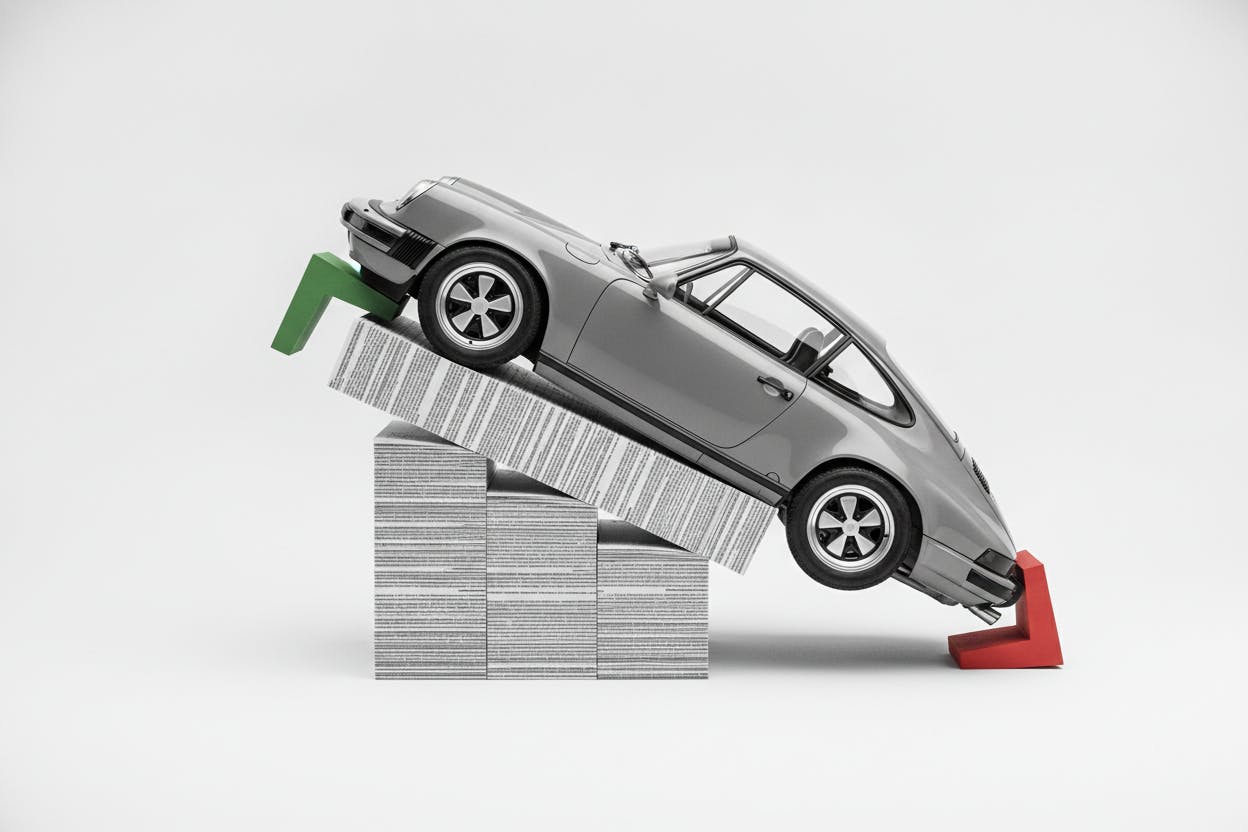
Porsche's first-half results delivered a pleasant surprise for investors: the luxury automaker posted a 7.8% operating margin, comfortably above its full-year target range of 5.5% to 7.5%. The beat was driven largely by a favorable product mix, with strong demand for higher-priced 911 variants boosting profitability.
However, analysts at Berenberg, a German investment bank, are urging caution. While the strong first half provides a cushion, they expect margins to step down in the second half as the mix normalizes and as restructuring costs are booked later in the year. The firm updated its forecasts after the earnings release, reflecting a more cautious outlook for the remainder of 2025.
Why the First Half Was So Strong
Porsche's margin performance in the first half stands out in an auto industry grappling with high costs and price pressure. The key driver was the product mix: customers are snapping up higher-margin 911 variants, which carry heftier price tags and richer profit margins than entry-level models. This mix shift helped offset broader challenges like supply chain costs and investment in electrification.
For context, automakers typically see margins fluctuate based on what they sell, not just how many vehicles they move. A favorable mix—selling more expensive, optioned-up models—can lift profitability even when overall volumes are flat or declining. Porsche's ability to lean on its iconic 911 lineup is a structural advantage that many mass-market rivals don't have.
What's Ahead: A Softer Second Half
Berenberg's caution centers on two factors. First, the favorable mix that boosted the first half is unlikely to persist at the same level. As the year progresses, Porsche will likely sell a more balanced range of models, which could dilute margins. Second, the company has flagged restructuring costs that will be booked in the second half. These one-off charges, related to efficiency programs and possibly workforce adjustments, will weigh on profitability.
It's worth noting that restructuring costs are often a sign of a company positioning itself for the future—streamlining operations to improve competitiveness. But in the short term, they hit the bottom line. For investors, that means the second-half margin could dip below the full-year guidance range, even if the full-year average still lands within it.
What It Means for Investors
For everyday investors, this news is a reminder that a strong quarter doesn't always translate into a strong year. Porsche's first-half beat is encouraging, but the guidance for a weaker second half suggests that the company's management is being realistic about headwinds. The stock may react to the margin beat, but the forward-looking caution could temper enthusiasm.
It's also a lesson in how to read earnings reports: look beyond the headline numbers. The margin beat is a positive, but the mix and cost dynamics that Berenberg highlights are the kind of details that can move the stock over the coming months. Investors should watch for updates on restructuring progress and any changes to full-year guidance.
Porsche's situation is not unique. Many companies in cyclical industries—like autos—see their margins ebb and flow with product cycles and cost timing. The key is to focus on the underlying trends: Is demand for high-margin products sustainable? Are restructuring efforts likely to pay off? For Porsche, the answers are still unfolding.
In the broader market context, European automakers have been navigating a tough environment, with profit growth across the STOXX 600 improving, but individual companies face their own challenges. Porsche's strong brand and pricing power give it a buffer that many peers lack, but the second-half slowdown is a reminder that even luxury names aren't immune to cost pressures.
For now, Berenberg's updated forecasts reflect a balanced view: the first half was better than expected, but the second half will likely be softer. Investors should keep an eye on Porsche's quarterly updates for signs of how the mix and restructuring costs are playing out. As always, past performance is no guarantee of future results, and the auto sector remains sensitive to economic cycles and consumer demand.
In the meantime, Porsche's margin cushion provides some comfort, but it's not a reason to get complacent. The company's ability to manage the second-half headwinds will be the real test.