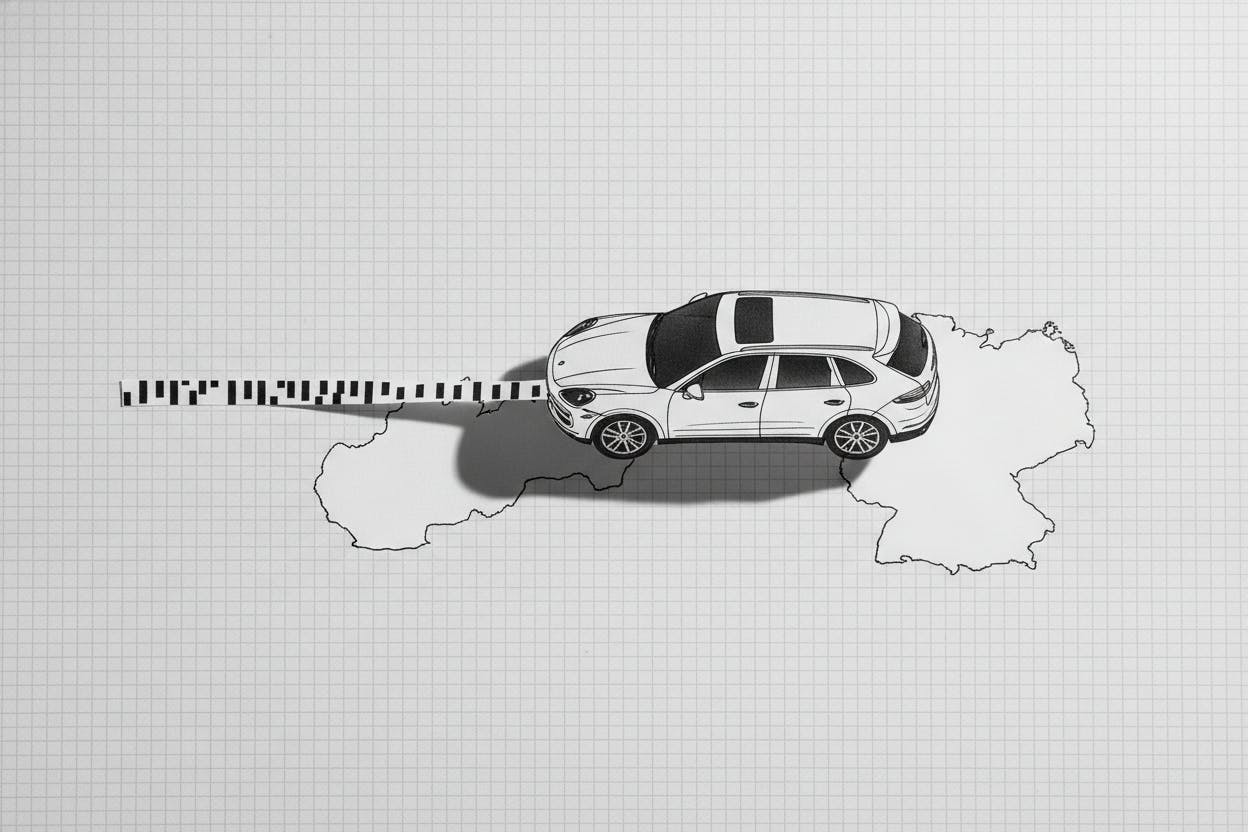
Porsche is exploring the possibility of moving production of its popular Cayenne SUV from Slovakia back to its plant in Leipzig, Germany, according to a report from German newspaper Frankfurter Allgemeine Zeitung (FAZ). However, the shift is conditional: workers in Leipzig would need to accept pay cuts to make the move financially viable.
The Cayenne, a key profit driver for Porsche, is currently built in Bratislava, Slovakia, where lower wages give the company a significant cost advantage. Moving production to Germany would increase labor costs, so Porsche is negotiating with worker representatives to reduce those expenses in Leipzig. The company has already let several hundred temporary contracts expire, signaling its seriousness about cutting costs.
Why the Move Makes Sense
Leipzig has available production capacity, and Porsche wants to run the plant closer to full capacity as demand for its vehicles softens. By shifting Cayenne production there, Porsche could spread fixed costs—such as rent, equipment, and utilities—across more vehicles, improving operating leverage. This could help protect profit margins even if overall sales decline.
The broader context is Volkswagen Group's aggressive cost-cutting campaign. Reuters has reported that Volkswagen is considering closing four German factories and cutting up to 100,000 jobs. These measures are part of a larger effort to reduce expenses and boost profitability amid slowing global auto demand and the transition to electric vehicles. The Cayenne decision is a test case for how far the group can push labor cost reductions in Germany.
What It Means for Investors
For investors, the Cayenne production decision is a window into Volkswagen's broader strategy. If Porsche succeeds in negotiating pay cuts, it could demonstrate that the company can keep production in Germany without sacrificing margins. That would support Volkswagen's goal of protecting profitability while maintaining its German manufacturing base. It could also reduce the risk of more drastic measures like plant closures or layoffs.
On the other hand, if workers reject pay cuts, the cost gap between Slovakia and Germany will remain a barrier. That could push Volkswagen to accelerate its restructuring plans, potentially leading to more job cuts or shifting future models to lower-cost locations. Investors should watch the outcome of these negotiations closely, as they will signal how much flexibility the group has in its cost-cutting efforts.
The situation also highlights the broader challenges facing German automakers. High labor costs, competition from Chinese EV makers, and a sluggish economy are putting pressure on companies like Volkswagen to adapt. The Cayenne decision is just one piece of a much larger puzzle, but it could set a precedent for how the group handles similar decisions in the future.
Broader Market Context
This news comes as the auto industry faces headwinds from rising interest rates and changing consumer preferences. While Porsche's brand strength has helped it weather some of these challenges, the broader Volkswagen group is under pressure to streamline operations. The company's cost-cutting drive is reminiscent of similar efforts at other European automakers, which are also grappling with the shift to electric vehicles and the need to invest heavily in new technology.
For everyday investors, the key takeaway is that Porsche's decision on the Cayenne will be a bellwether for Volkswagen's ability to manage costs without resorting to extreme measures. If the company can keep production in Germany while maintaining margins, it could be a positive sign for the stock. If not, investors may see more restructuring announcements in the months ahead.