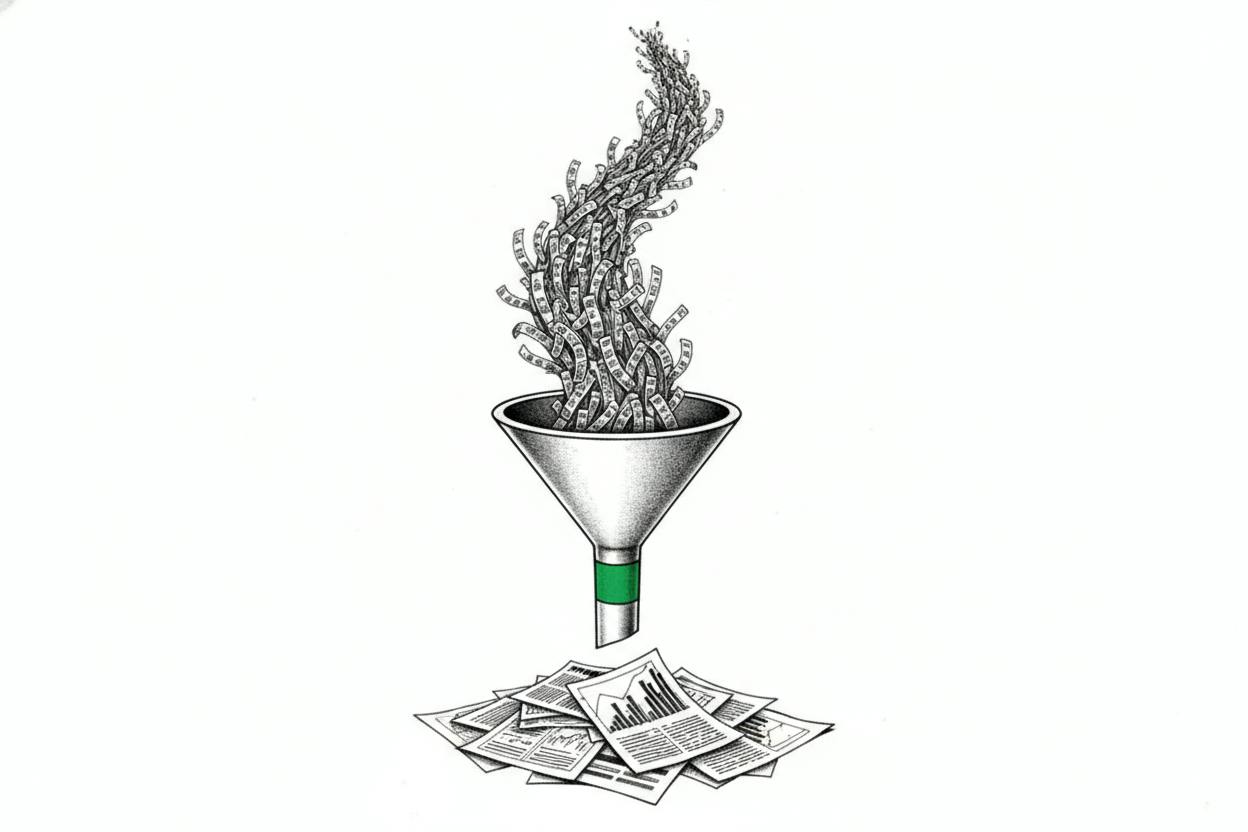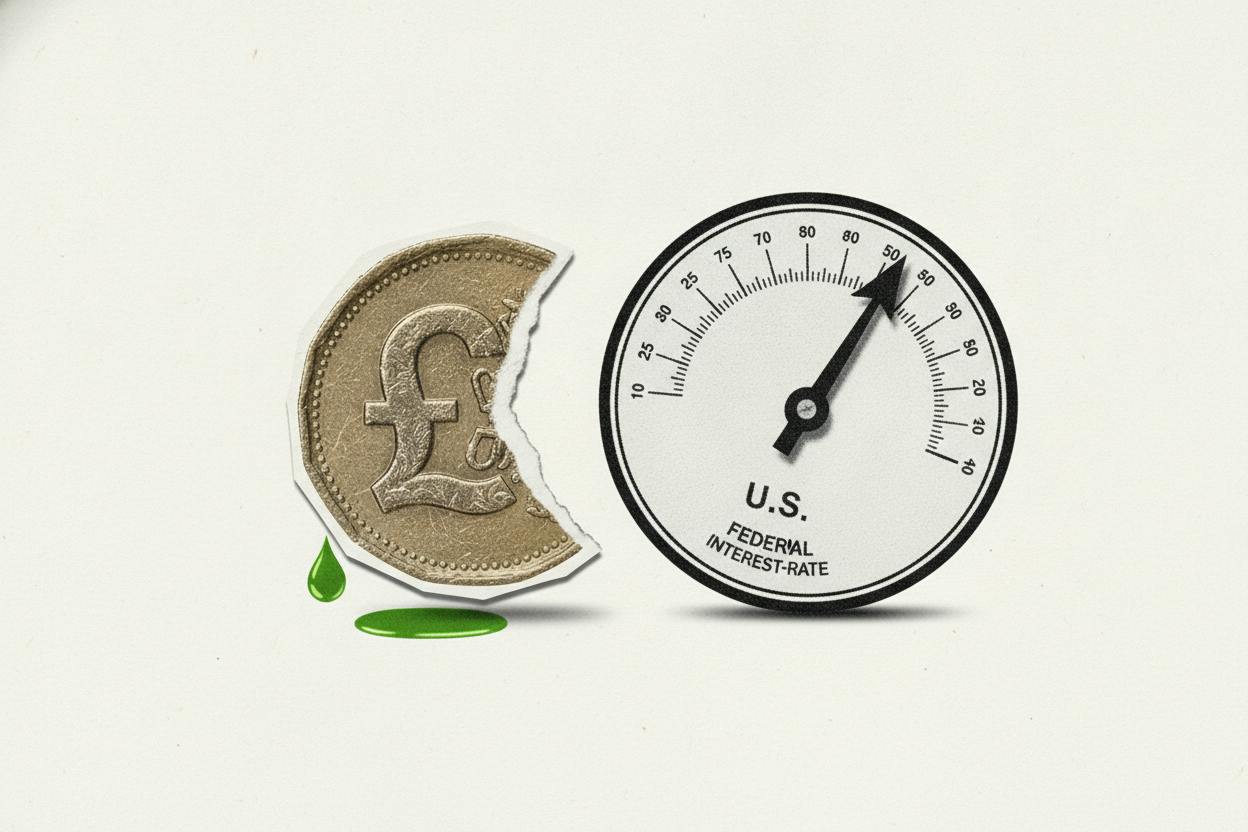
The British pound slipped to roughly $1.331 on Wednesday, as a hotter-than-expected US inflation report boosted the dollar and reinforced market expectations that the Federal Reserve will raise interest rates next month.
The move was driven primarily by shifting interest-rate expectations. After October's US consumer price data came in stronger than forecast, traders moved to fully price in a quarter-point rate hike at the Fed's December meeting. Higher US borrowing costs tend to attract global capital, which lifts the dollar against currencies like the pound.
Why the dollar is gaining
When the Fed raises rates, US assets become more attractive to investors seeking yield, increasing demand for dollars. That dynamic has been a recurring theme in currency markets this year, and Wednesday's inflation print reignited it.
The pound's decline is part of a broader pattern: the dollar has been firming against many currencies as rate-hike bets intensify. Similar moves have been seen in emerging-market currencies, which often feel the pressure when the dollar strengthens.
For everyday investors, a stronger dollar can have mixed effects. It makes US goods more expensive for foreign buyers, which can weigh on multinational companies' earnings. On the other hand, it can boost the returns of US-based investments when converted back to other currencies.
The UK's own rate picture
The pound's slide wasn't solely about the US. The Bank of England has also been raising rates to combat inflation, and some analysts say those higher-rate expectations have helped sterling hold up better than it otherwise might have. But the near-term focus is turning to the next batch of UK growth data, which could influence how much further the Bank of England will go.
If UK data disappoints, the pound could face additional pressure, as investors might scale back their expectations for Bank of England hikes. Conversely, strong data could support sterling by keeping the door open for more aggressive tightening.
What it means for investors
For UK investors with US dollar exposure, the pound's weakness means their US assets are worth more in sterling terms. But for those planning to travel to the US or buy US goods, a weaker pound makes those purchases more expensive.
Currency moves also ripple through stock markets. Companies that earn a significant portion of revenue in dollars often benefit from a weaker pound, as their overseas earnings translate into more sterling. Conversely, firms that rely heavily on imports may see costs rise.
The broader takeaway is that interest-rate expectations remain a key driver of currency markets. With the Fed and the Bank of England both in tightening cycles, the relative pace of their actions will continue to shape the pound-dollar exchange rate.
Investors will be watching upcoming UK growth figures and any further US inflation data for clues about the next moves. As always, currency markets can be volatile, and shifts in rate expectations can happen quickly.
For now, the pound's slide to $1.331 reflects a market that is increasingly convinced the Fed will act in December, and that conviction is likely to keep the dollar firm in the near term.