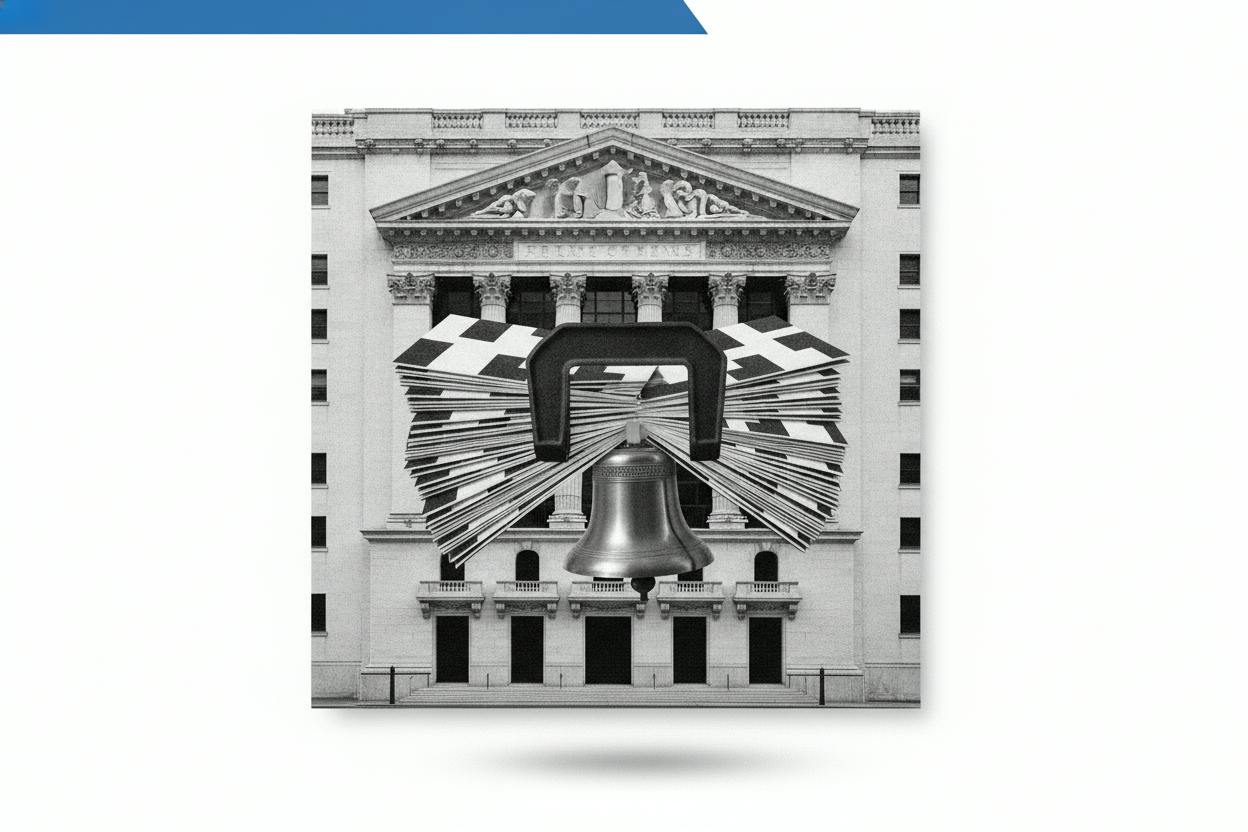
French advertising giant Publicis has delivered first-half results that are pushing back against a growing narrative in the marketing world: that artificial intelligence will eventually make large ad agencies obsolete. The company reported 4.7% organic growth for the first six months of the year and slightly raised its full-year guidance, prompting Berenberg, a European investment bank, to lift its price target on the stock to 119 euros from 118 euros.
Publicis reported H1 net revenue of 7.23 billion euros and said it now expects full-year organic growth of 4.5% to 5%, up from its previous range of 4% to 5%. The small upward revision may seem modest, but analysts at Berenberg saw it as a signal that the company is navigating the AI disruption better than many feared.
Why AI Was Seen as a Threat to Ad Agencies
For much of the past year, investors have worried that generative AI tools—like those that can write copy, generate images, or even plan media buys—would reduce the need for traditional advertising agencies. The logic was straightforward: if a brand can use AI to create ad campaigns in-house, why pay a middleman?
That concern has weighed on the stocks of major ad holding companies, including Publicis, WPP, and Omnicom. But Publicis’s latest numbers suggest the reality may be more nuanced. The company’s organic growth—which strips out the effects of acquisitions and currency fluctuations—accelerated in the second quarter, and its raised guidance implies confidence in the second half of the year.
Berenberg’s note went beyond the headline numbers. The bank raised its 2026-2028 forecasts for Publicis’s sales and profit (earnings before interest and taxes), indicating that it sees the company’s competitive position strengthening over the medium term. The price target increase, while small, reflects a view that Publicis is not just surviving the AI shift but potentially benefiting from it.
How Publicis Is Using AI
Rather than resisting AI, Publicis has been investing heavily in it. The company has developed its own AI platform, called Marcel, which helps match employees with projects and clients. It has also partnered with major tech firms to integrate AI into its media buying and creative processes.
The idea is that AI can make agencies more efficient, not replace them. For example, AI can handle routine tasks like data analysis or ad placement optimization, freeing up human talent for higher-level strategy and creative work. That could actually increase the value of agencies, as they can offer faster, cheaper, and more data-driven services.
Publicis’s results suggest that this strategy is working. The company’s growth was broad-based across regions and business lines, with particular strength in North America and in its digital and data-driven units.
What It Means for Investors
For everyday investors, the Publicis story is a reminder that the impact of AI on industries is rarely as simple as the headlines suggest. While some jobs and business models will indeed be disrupted, companies that adapt quickly can turn the technology into a competitive advantage.
Publicis shares have held up relatively well compared to some tech stocks that have been hit by AI fears. The stock trades at around 100 euros, meaning Berenberg’s 119-euro target implies about 19% upside from current levels. That is not a huge premium, but it reflects a view that the company is fairly valued given its growth prospects.
Investors should also keep an eye on the broader economic backdrop. Advertising spending is closely tied to consumer confidence and corporate profits. If the economy slows, ad budgets are often among the first to be cut. However, Publicis’s raised guidance suggests that its clients are still spending, at least for now.
For context, European stocks have been under pressure recently, with a tech selloff and rising oil prices ahead of the European Central Bank’s next meeting. But Publicis’s results show that not all companies are feeling the same headwinds.
The Bottom Line
Publicis’s first-half performance is a strong counterargument to the idea that AI will hollow out big ad agencies. The company’s 4.7% organic growth and raised guidance show that it is adapting to the new technology, not being crushed by it. Berenberg’s price target increase is a vote of confidence, but the real test will be whether Publicis can sustain this momentum as AI continues to evolve.
For now, the message is clear: AI may change how advertising works, but it is not going to make agencies irrelevant overnight.