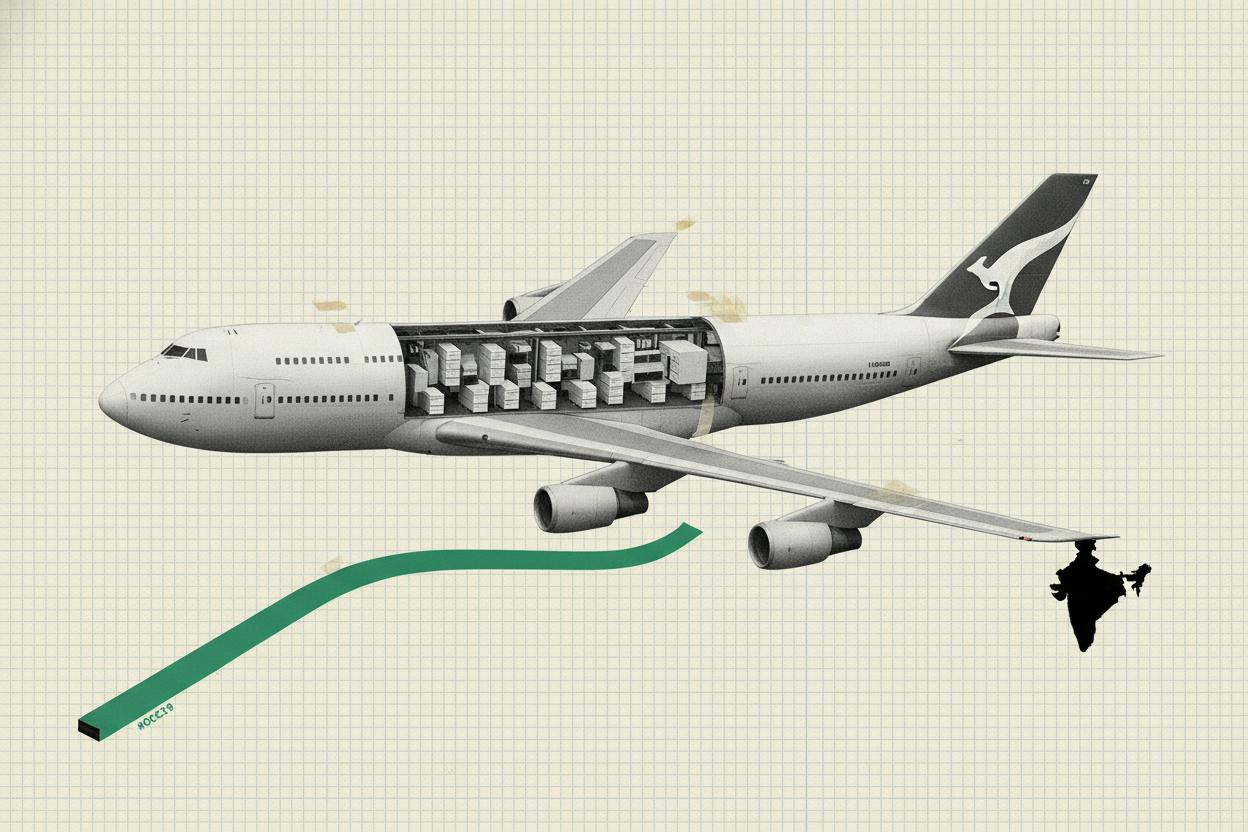
Qantas has announced it will cut 850 corporate roles in Australia over the next few years, moving some back-office work to teams at global consulting and outsourcing firm Accenture, mostly based in India. The airline says the move is part of a broader effort to rethink how work gets done as artificial intelligence spreads through the corporate world.
The cuts represent about 3% of Qantas's 28,000-strong Australian workforce. They will roll out gradually, with an initial round expected by mid-2027. The airline says a new multi-year partnership with Accenture will help it redesign and simplify corporate functions like finance, procurement, human resources, and marketing, while reducing duplicated work.
What's really behind the job cuts?
This is less about a single "AI tool replacing people" moment and more about process redesign. Once tasks are standardized—documented steps, shared data systems, repeatable approvals—they become easier to automate and easier to hand off to lower-cost delivery centers. And after a company shifts the know-how, software setup, and day-to-day routines to an outside provider, the new cost base can become sticky because switching back is disruptive and expensive.
Qantas isn't alone. Reuters noted that Woolworths, Officeworks, Telstra, and National Australia Bank have also flagged offshoring and efficiency programs this year. That suggests corporate support roles are turning into a key testing ground for cost-cutting and AI-enabled change across big employers.
What it means for investors
For investors, the Qantas announcement is a reminder that "AI change" often arrives through outsourcing rather than through a dramatic robot takeover. For many office roles, the pressure comes from AI making work easier to package up, not just faster to do. If a company can map a process clearly enough to automate parts of it, it can often map it clearly enough to send it elsewhere too.
As more large employers use partners like Accenture to rebuild back-office work around standardized workflows, Australia-based teams in finance, HR, procurement, and marketing may face tougher wage negotiations and slower hiring, even when the frontline business is doing fine. That could have implications for wage growth and consumer spending, which are key inputs for the broader economy.
For Qantas specifically, the efficiency drive comes as the airline also faces higher fuel costs. Earlier this year, Qantas raised its fuel bill forecast by A$150 million and warned that cost pressures would persist. The job cuts and outsourcing deal could help offset some of those rising expenses, but investors will be watching whether the savings materialize as promised and whether service quality holds up.
The move also fits a wider trend in corporate Australia, where companies are looking to trim costs in back-office functions while investing in technology. For everyday investors, this means keeping an eye on how companies balance short-term cost savings with long-term operational resilience. Outsourcing can deliver quick wins, but it also creates dependencies on external partners and can make it harder to bring work back in-house if circumstances change.
For those holding Qantas shares, the key question is whether the efficiency gains will translate into better margins and returns. The airline has been working to rebuild its balance sheet and reputation after a difficult period, and cost discipline is a central part of that story. But the real test will be whether the redesigned processes actually deliver the promised savings without disrupting day-to-day operations.
In the broader market, the Qantas announcement adds to a growing list of companies using AI and outsourcing to reshape their cost structures. That trend is likely to continue, and investors should expect more headlines like this as companies look for ways to stay competitive in a challenging economic environment.