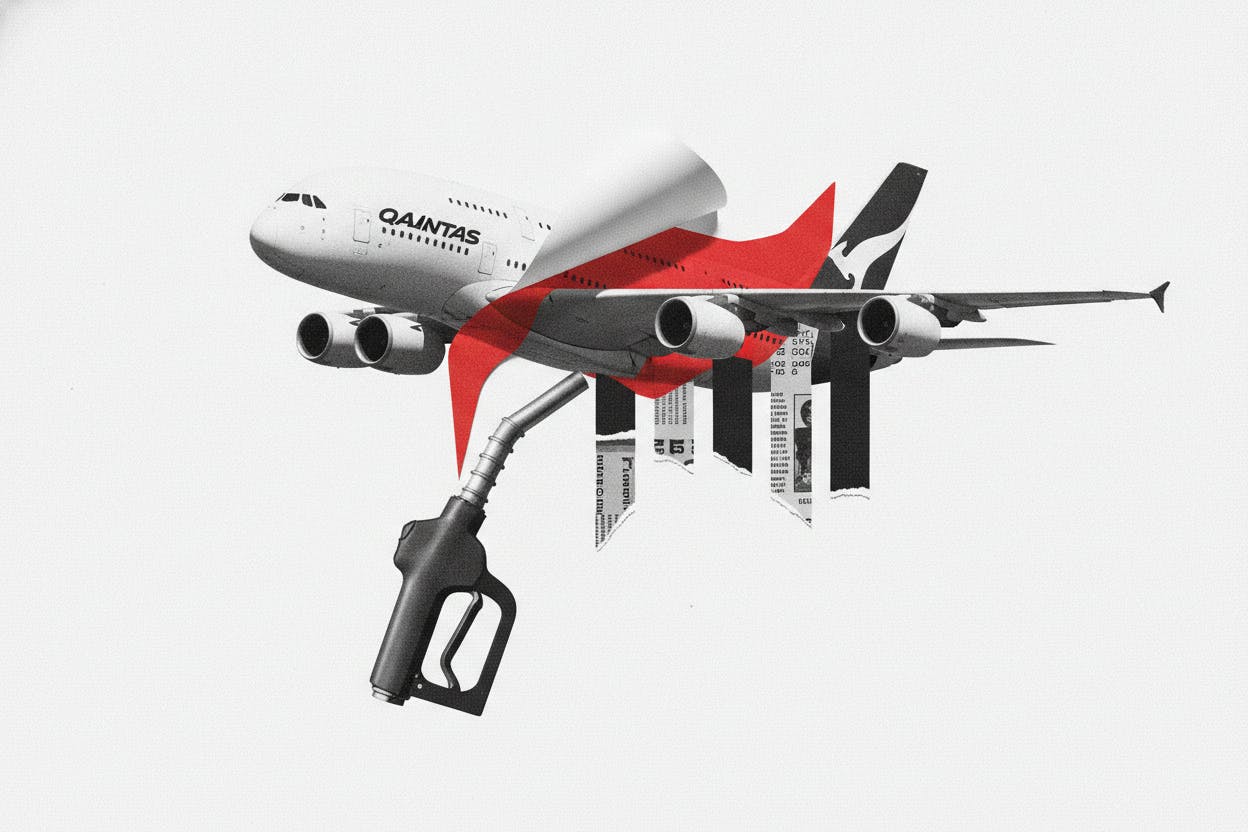
Qantas, Australia's largest airline, has reported a 13.8% decline in full-year underlying pre-tax profit, a drop the company attributes to a sharp rise in jet fuel costs. The carrier also announced plans to begin retiring its Airbus A380 superjumbo jets from calendar year 2028, a move that signals a long-term shift in its fleet strategy.
For the year ended June 30, Qantas posted underlying pre-tax profit of A$2.06 billion, down from A$2.39 billion a year earlier. The result came in slightly above the A$2.00 billion that analysts had expected, according to Visible Alpha consensus data cited by Reuters.
Fuel costs bite
The main culprit behind the profit decline was fuel. Jet fuel prices more than doubled during the year and remained volatile in the second half, as conflict in the Middle East disrupted energy markets. Airlines are particularly exposed to fuel price swings because jet fuel is often their single largest operating expense.
Qantas had hedged nearly 90% of its second-half crude oil exposure, which helps protect against rising oil prices. However, hedging only covers the raw oil input. The airline can still be hit when refining margins widen or when fuel supply disruptions push up the cost of jet fuel specifically, which is what happened in the second half.
This is a familiar challenge for airlines globally. Fuel costs are notoriously unpredictable, and even well-hedged carriers can see profits squeezed when prices spike. For Qantas, the impact was significant enough to erase a chunk of its earnings despite strong demand for travel.
Why retire the A380?
The Airbus A380, the world's largest passenger jet, has been a symbol of long-haul travel since it entered service in 2007. But for many airlines, the four-engine superjumbo has become less attractive over time. It burns more fuel per seat than newer, more efficient twin-engine aircraft, and its size makes it harder to fill on many routes.
Qantas plans to start phasing out its A380s from 2028. The airline has not specified how many of the aircraft it will retire or over what timeframe, but the announcement is a clear signal that it sees the superjumbo as a diminishing part of its future fleet. Other airlines, including Emirates and Singapore Airlines, have also begun retiring or reducing their A380 fleets in recent years.
For Qantas, the move is likely part of a broader strategy to modernise its fleet with more fuel-efficient aircraft, which can help cushion the airline against future fuel price shocks. Newer twin-engine jets, such as the Airbus A350 or Boeing 787, offer similar range with lower fuel consumption and more flexibility in route planning.
What it means for investors
For everyday investors, the key takeaway is that Qantas is facing a familiar airline problem: fuel costs are eating into profits. The 13.8% drop in underlying profit is a reminder that airlines are highly sensitive to energy prices, and even a well-hedged carrier can see earnings fall when fuel costs spike.
The fact that Qantas beat analyst expectations by a small margin is a positive sign, suggesting the company is managing costs reasonably well despite the headwinds. But the A380 retirement plan is a longer-term story. It shows that Qantas is thinking about the future, prioritising efficiency and flexibility over the prestige of flying the world's largest passenger jet.
Investors should watch a few things in the coming months. First, how fuel prices evolve. If oil and jet fuel prices stay high, Qantas could face continued pressure on margins. Second, how the airline manages its fleet transition. Retiring aircraft is a costly process, and the timing of new aircraft deliveries will matter. Third, demand for travel remains strong, which is a tailwind for revenue, but that can be offset by cost pressures.
It's also worth noting that Qantas is not alone in facing these challenges. Other airlines around the world are dealing with similar fuel cost issues. For example, Kenya Airways has seen losses widen on fuel costs, highlighting how widespread the problem is across the industry.
For investors, the lesson is that airline stocks are often volatile and sensitive to external factors like fuel prices and geopolitical events. While Qantas's profit beat is a small positive, the overall picture is one of caution. The A380 phase-out is a sensible long-term move, but it won't immediately solve the fuel cost problem.
As always, it's important to consider your own investment goals and risk tolerance. Airline stocks can offer growth potential, but they come with significant risks. Understanding the factors that drive airline profits—fuel, demand, competition, and fleet costs—can help you make more informed decisions.