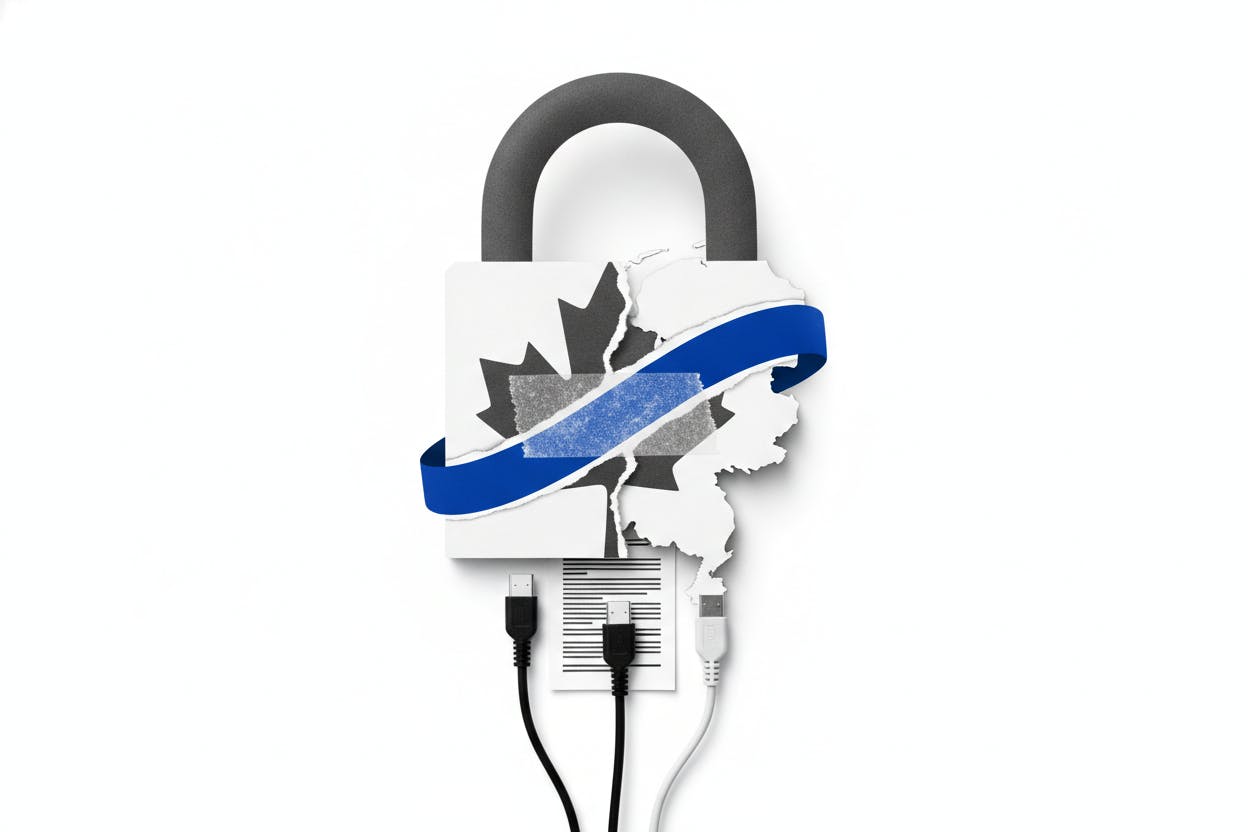
Quantum Secure Encryption (QSE) is taking its quantum-resilient security tools to Europe as part of a Government of Canada-led research-and-development partnering delegation to the Netherlands in September. The small cybersecurity firm plans to showcase its QPrime platform to potential European partners and pilot customers, aiming to turn laboratory technology into commercial contracts.
What Is QPrime and Why Does It Matter?
QPrime is a suite of tools designed to help organizations map where encryption is used across their networks and harden protection for sensitive data. As quantum computing advances, traditional encryption methods could become vulnerable, making quantum-resilient security a growing concern for enterprises and governments. QSE's technology is meant to address that future risk by providing encryption that can withstand attacks from quantum computers.
For a small company like QSE, joining a government-led delegation provides credibility and access to decision-makers at companies, universities, and public-sector organizations that can sponsor pilot trials. These pilots are critical because enterprise buyers rarely sign contracts immediately; they first test whether new encryption software works with existing systems and passes internal security reviews.
What This Means for Investors
The September trip is a networking milestone, but the payoff typically takes time. Even if QSE secures pilot agreements, the path to revenue involves integration work, technical sign-offs, and procurement cycles that can stretch over quarters. That helps explain why the stock barely reacted to the news, slipping C$0.005 to close at C$0.495.
Government-led introductions can add credibility, but security spending usually moves through a slow funnel: pilot, technical sign-off, and then a larger contract. That can help QSE build reference deployments and channel relationships in Europe, yet it doesn't automatically improve near-term revenue visibility. So a networking milestone and a muted share move can both be true at the same time.
For context, the broader Canadian market has seen mixed signals recently. Canada's Q2 earnings season is underway, while foreign investment flows have shown a net outflow from Canadian securities. Meanwhile, the Bank of Canada is expected to hold rates until 2027, which could influence the investment climate for small-cap tech firms like QSE.
Broader Context: Quantum Security and European Expansion
Quantum computing is still in its early stages, but governments and large corporations are already investing in post-quantum cryptography to protect sensitive data. The Netherlands has a strong tech and research ecosystem, making it a logical destination for a delegation focused on quantum-resilient security. QSE's participation could open doors to European Union funding programs or partnerships with Dutch universities and cybersecurity firms.
For everyday investors, the key takeaway is that QSE's stock price reflects the long and uncertain path from pilot to revenue. While the company's technology addresses a real and growing need, the timeline for commercial adoption remains unclear. Investors should watch for concrete pilot announcements and subsequent contract wins as indicators of progress.
In the meantime, QSE's share price at C$0.495 suggests the market is taking a wait-and-see approach. The September delegation could be a catalyst if it leads to tangible partnerships, but for now, it's a step in a longer journey.