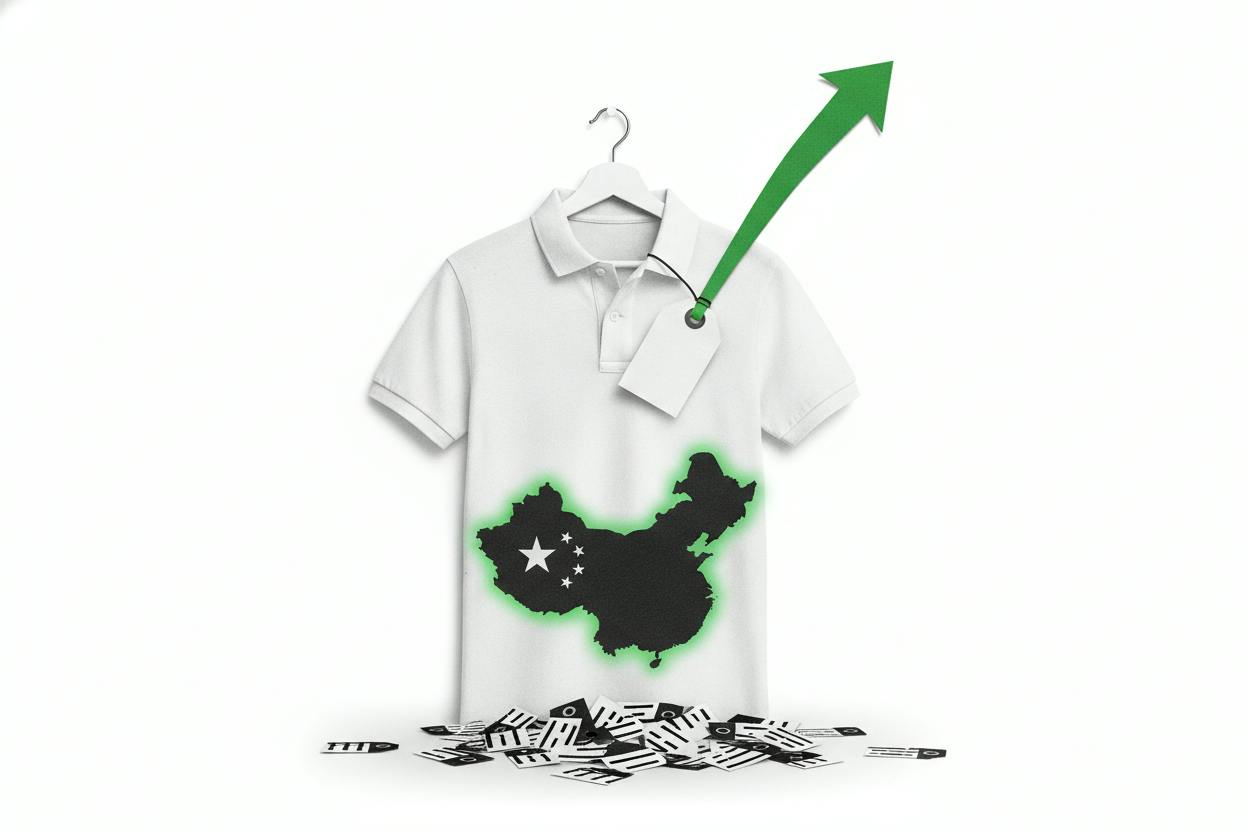
Ralph Lauren has raised its full-year sales and profit outlook after reporting a 9% rise in revenue to $2.19 billion for the second quarter, according to Reuters. The move comes at a time when many luxury brands are seeing demand soften, making the company's performance stand out.
What's driving the growth?
The company pointed to two key factors: younger shoppers in North America and Asia, and a 35% jump in China revenue during the quarter. That China growth is particularly notable, as the region has been a bright spot for some brands while others struggle with uneven consumer confidence.
Ralph Lauren has been following a strategy of selling fewer, higher-quality items at full price, rather than relying on discounts. This "premium mix" approach helps protect profit margins, because markdowns not only reduce revenue but also eat into the gross profit—the money left after covering the cost of making and shipping clothes—that funds marketing, stores, and other expenses.
By avoiding heavy promotions, the company can maintain healthier margins even when overall demand is sluggish. This is a contrast to some competitors that have had to cut prices to move inventory.
Luxury demand is cooling, but Ralph Lauren is bucking the trend
The broader luxury sector has been facing headwinds, with consumers in some regions pulling back on discretionary spending. Inflation and higher interest rates have made shoppers more cautious, especially for big-ticket items. However, Ralph Lauren's focus on classic, timeless styles appears to be resonating with a younger demographic that values quality over quantity.
This is not the first time a company has found success by appealing to younger consumers. For example, Coach has won over Gen Z shoppers with its own strategy, helping parent company Tapestry lift its outlook. Similarly, Ralph Lauren's ability to attract younger customers in North America and Asia is a key driver of its recent performance.
The company's strength in China is also noteworthy, especially as other consumer goods companies have faced challenges there. For instance, Kimberly-Clark has held its outlook despite a drag from China diaper sales. Ralph Lauren's 35% revenue growth in China suggests its brand positioning is resonating with affluent Chinese shoppers.
What it means for investors
For everyday investors, Ralph Lauren's raised outlook is a positive signal. It suggests the company is managing to grow even in a tough environment, which could support its stock price. However, it's important to remember that past performance doesn't guarantee future results, and luxury demand can be cyclical.
Investors should also consider the broader picture. While Ralph Lauren is doing well, other companies in the sector are not. For example, Tapestry raised its outlook as Coach shines while Kate Spade slips, showing that even within the same company, different brands can perform very differently. This highlights the importance of looking at individual brand strength rather than just the overall sector.
Another factor to watch is how Ralph Lauren manages its inventory and pricing. If the company can continue to sell at full price, its margins should remain healthy. But if consumer demand weakens further, it may be forced to discount, which could hurt profitability.
For now, the company's focus on younger shoppers and its strong China growth are encouraging signs. But investors should keep an eye on whether these trends continue in the coming quarters.
Looking ahead
Ralph Lauren's raised outlook is a bright spot in an otherwise cautious luxury market. The company's ability to attract younger consumers and grow in China suggests it has a solid strategy. However, the broader economic environment remains uncertain, and consumer spending could shift.
As always, it's wise for investors to diversify and not put all their eggs in one basket. While Ralph Lauren's performance is encouraging, it's just one company in a complex global market.