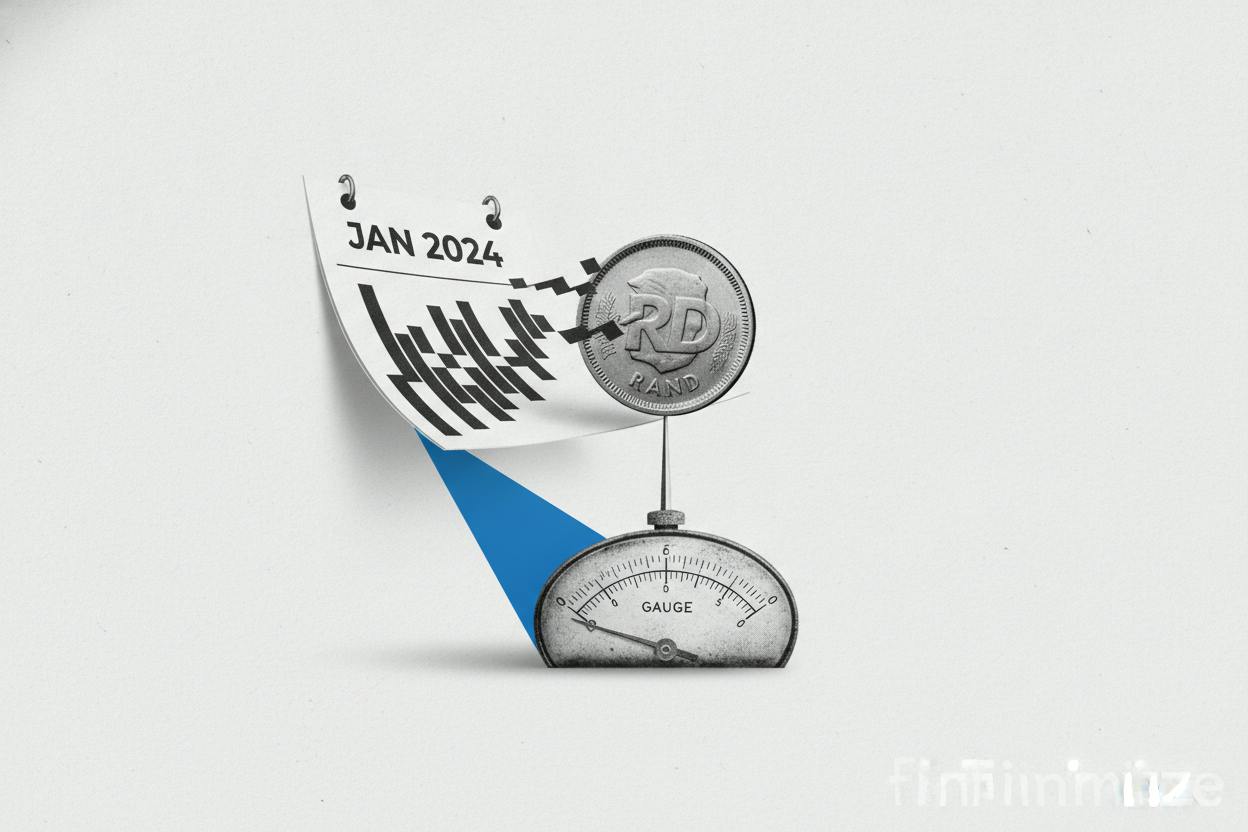
South Africa's rand traded little changed around 16.25 per US dollar on [day], as investors turned their attention to next week's inflation data and a widely anticipated interest rate increase from the South African Reserve Bank (SARB). The currency's stability suggests that markets have already priced in the expected policy move, but any deviation from forecasts could quickly shift sentiment.
Why the rand is holding steady
Currencies often move less on what central banks do today and more on what investors think they will do next. With the SARB's next meeting on the horizon, traders are positioning themselves based on expectations rather than reacting to current events. The rand's calm near 16.25 per dollar indicates that the market sees the upcoming rate hike as largely a done deal.
However, the central bank has made the outlook harder to price. At its last meeting, the SARB unexpectedly held rates steady, saying that policy was already tight enough to steer inflation back to target. That decision surprised many analysts who had expected a hike, and it has left investors guessing about the central bank's next move.
Inflation data: the key catalyst
Wednesday's consumer inflation report will be crucial. Recent data showed that July inflation cooled to 4.3% year-on-year, which had eased pressure on policymakers. But if the new figures show a rebound, it would quickly revive bets on more aggressive tightening. Conversely, a softer reading could give the SARB room to hold off on a hike, which might weaken the rand.
Inflation is a key driver for any central bank, and South Africa is no exception. The SARB targets inflation within a range of 3% to 6%, and it has been working to bring price growth back to the midpoint. A higher-than-expected inflation print would likely force the bank to act, while a benign number could allow it to stay on hold.
Global context and the dollar's influence
The rand's movement is also tied to the broader global environment, particularly the US dollar. When the dollar strengthens, emerging market currencies like the rand tend to weaken. Recently, the dollar has been wavering as traders await US jobs and housing data, which could influence the Federal Reserve's next steps. A stronger dollar would put pressure on the rand, while a weaker one could provide some support.
Other central banks are also in focus. For instance, the Bank of England recently held rates at 3.75% but signaled a possible hike, and the Fed's hawkish signals have been questioned by some traders. These global dynamics matter for South Africa because they affect capital flows and investor appetite for risk.
What it means for investors
For everyday investors, the rand's stability is a double-edged sword. On one hand, a steady currency helps keep imported inflation in check, which is good for consumers. On the other hand, if the SARB does raise rates, borrowing costs will rise, affecting mortgages and business loans.
Investors with exposure to South African assets should watch the inflation data closely. A surprise in either direction could cause the rand to swing, impacting the value of local stocks and bonds. For those holding foreign currency investments, a weaker rand would boost returns when converted back to rands, but it also signals economic stress.
It's also worth noting that the SARB's decision will be influenced by global trends. As other central banks, like the Fed, move toward tightening, the SARB may feel pressure to follow suit to prevent capital outflows. This interconnectedness means that events in the US and Europe can have a direct impact on South African interest rates and the rand.
The road ahead
Next week's inflation data will be the immediate catalyst for the rand. If the numbers come in as expected, the currency could remain range-bound. But any surprise could lead to sharp moves. Traders will also be listening to any commentary from SARB officials for hints about the future path of rates.
For now, the rand's steadiness suggests that the market is comfortable with the current outlook. But as we've seen many times, currency markets can change quickly. Investors should stay informed and be prepared for volatility around the data release and the central bank meeting.
In the meantime, the rand's performance will continue to be influenced by global factors, including the dollar's strength and the actions of other major central banks. Keeping an eye on these trends can help investors understand the forces shaping South Africa's currency and economy.